Losing a tooth can change much more than the appearance of a smile. It may affect how a person chews, speaks, socializes, and maintains the surrounding teeth. A missing tooth also leaves an empty space below the gumline where the natural root once supported the jawbone.
For people researching dental implants in Waterloo, it is important to understand that an implant is not simply a cosmetic replacement. It is a multi-part restoration designed to replace both the visible tooth and its supporting root structure. (Source: Smile Guide, 5 Reasons to Consider Dental Implants, published on June 21, 2020, https://www.smileguide.com/5-reasons-to-consider-dental-implants/).
Ashraf Dentistry explains, “Tooth replacement should be considered from a whole-mouth perspective. The goal is not merely to fill an empty space, but to understand how that space affects the bone, bite, neighbouring teeth and everyday comfort. A complete assessment can help determine whether an implant or another treatment option is appropriate.”
1. Implants Can Help Prevent Bone Loss
Natural tooth roots transfer pressure to the jaw during biting and chewing. This stimulation helps the body maintain bone in that area. After a tooth is lost, the jaw no longer receives the same signals, and the bone may gradually change in shape and volume.
A dental implant is positioned within the jawbone and acts as an artificial tooth root. Once it integrates with the surrounding bone, it can provide stimulation during normal oral function.
Ashraf Dentistry says, “Bone changes following tooth loss are easy to overlook because they happen beneath the gums. Replacing the root structure may help preserve support in that area, although the amount and quality of existing bone must first be evaluated. If significant bone loss has already occurred, additional preparation may sometimes be needed before implant placement can be considered.”
2. Dental Implants Won’t Migrate
Traditional removable dentures may occasionally move when a person talks or eats. An implant-supported restoration is anchored in the jaw, allowing it to remain stable during daily activities. It can also replace a missing tooth without relying on neighbouring teeth for primary support.
Ashraf Dentistry comments, “Stability can make a meaningful difference in daily life. However, an implant is not entirely maintenance-free simply because it does not shift. The crown, connecting components, gums and surrounding bone must all be monitored. Regular dental care in Waterloo can help identify inflammation, bite changes or loosening before they become more complicated.”
3. They Can Help You Chew More Comfortably
A missing tooth may cause people to avoid certain foods or chew primarily on one side. Over time, this can place uneven pressure on the remaining teeth. Because an implant is secured within the jaw, it may restore more natural chewing function after the area has healed.
Ashraf Dentistry shares, “Improved chewing is not just about being able to eat firmer foods. It is also about distributing force more evenly across the mouth. Implant planning must account for the person’s bite, the position of the missing tooth, and habits such as grinding or clenching. A restoration needs to work with the entire bite—not function as an isolated replacement.”
4. They Improve Appearance and Restore Confidence
Implant crowns are created to resemble natural teeth in shape, size, and colour. They can help restore the continuity of the smile while also supporting normal facial expressions and speech.
Ashraf Dentistry highlights, “The emotional impact of tooth loss should not be minimized. Some people begin covering their mouths, smiling less or avoiding photographs without realizing how much the missing tooth has affected them. A natural-looking replacement may help someone feel more comfortable, but appearance is only one part of successful treatment. The restoration must also be cleansable, functional, and harmonious with the gums.”
5. They Are Long-Lasting
Dental implants can provide many years of function when they integrate successfully and receive consistent care. Nevertheless, “long-lasting” does not mean permanent under every circumstance. Smoking, uncontrolled health conditions, gum inflammation, teeth grinding, and inadequate cleaning can affect longevity. The crown attached to an implant may also require repair or replacement over time.
Ashraf Dentistry notes, “An implant should be viewed as a long-term commitment to oral health rather than a one-time procedure. Its lifespan depends partly on daily cleaning and ongoing monitoring. Implant surfaces cannot develop cavities, but the surrounding tissues can still become inflamed and lose support.”
An Implant Is More Than One Component
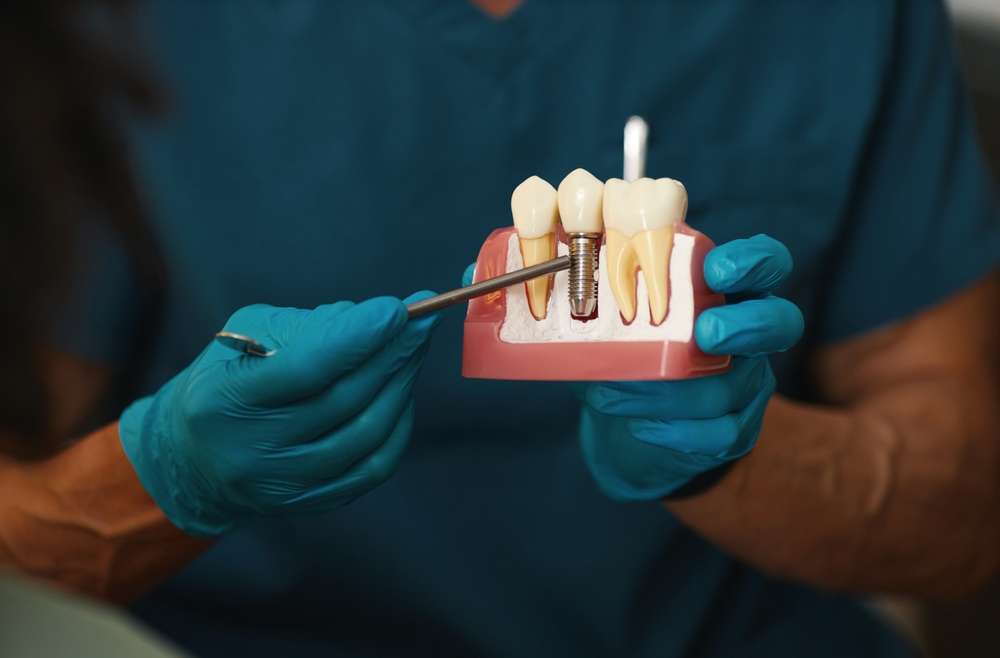
Patients sometimes use the word “implant” to describe the entire replacement tooth. In reality, the restoration generally includes the implant post, an abutment or connector, and a custom-made crown. These components may be placed during different stages of treatment.
Ashraf Dentistry explains, “Understanding the individual components helps patients recognize why treatment often requires a healing period. The implant must become stable within the bone before it can reliably support the final restoration. Timelines differ according to healing, bone condition, and the complexity of the case.”
Candidacy Depends on More Than Age
There is no single age at which someone automatically becomes suitable—or unsuitable—for implants. Gum health, bone availability, medications, medical history, smoking and the ability to maintain the restoration may be more important considerations.
Ashraf Dentistry expresses, “Candidacy is highly individual. A Waterloo dentist may use an examination and diagnostic imaging to study the bone, gums, nerves, sinus anatomy and available space. This information helps identify potential limitations and allows the patient to compare implants with bridges, dentures or leaving the space untreated.”
Dental implants may help preserve jaw support, improve stability, restore chewing function and rebuild confidence. Their long-term value, however, depends on careful planning, healthy surrounding tissues and consistent home and professional care.
Anyone considering dental implants in Waterloo should begin with a personalized assessment rather than assuming one solution fits every missing tooth. Thoughtful dentistry in Waterloo considers the full picture: oral health, medical factors, lifestyle, treatment expectations, and the condition of the entire bite.