Address
304 North Cardinal St.
Dorchester Center, MA 02124
Work Hours
Monday to Friday: 7AM - 7PM
Weekend: 10AM - 5PM

Address
304 North Cardinal St.
Dorchester Center, MA 02124
Work Hours
Monday to Friday: 7AM - 7PM
Weekend: 10AM - 5PM
THE JOURNAL from ASHRAF DENTISTRY

Cold weather can make small dental problems feel much bigger. If a sip of hot cocoa, a breath of icy air, or a bite of holiday dessert sends a quick zing through your tooth, the cause may be more than ordinary winter tooth sensitivity. Cold-weather tooth repair focuses on finding tiny cracks, worn enamel, and stressed restorations early, then choosing practical dental treatments that fit the busy season.
For anyone looking for a Yorkville dentist during the colder months, the goal is simple: protect your teeth before a small fracture becomes a larger repair. Seasonal tooth repair does not always mean a major procedure. Often, it starts with a careful exam, targeted protection, and small fixes that help you enjoy winter meals, gatherings, and travel with more confidence.
Teeth can feel more vulnerable in cold weather because temperature swings place extra stress on enamel, dentin, fillings, crowns, and exposed root surfaces. Cold air can cause tooth structures to contract slightly, while hot drinks and heated indoor air can create rapid changes in temperature. When a tooth already has thin enamel, an old filling, nighttime grinding, or a hairline crack, these seasonal shifts may trigger discomfort.
This is where cold-weather microfractures become important. A microfracture is a very small crack in the tooth structure, often too fine to see without a professional dental exam. It may run through enamel, around a filling, or into a deeper part of the tooth. Unlike an obvious broken tooth, a microfracture may come and go in how it feels, which is why people often dismiss it as temporary tooth sensitivity cold weather has simply “caused.”
Winter habits can add to the problem. Many people clench their jaws while walking in the cold, chew harder seasonal foods, snack more often, sip acidic drinks, or delay appointments because of holiday schedules. None of these habits automatically causes a cracked tooth, but together they can turn a vulnerable tooth into one that finally announces itself.
Think of enamel like a protective winter coat for the tooth. It is strong, but it is not flexible in the way soft tissue is. When temperatures change quickly, the outer enamel and inner tooth layers may respond at slightly different rates. If a tooth has been weakened by wear, decay, a large filling, or previous trauma, that stress can concentrate in one small area.
Microfractures are often narrow, incomplete, and inconsistent in their symptoms. A person may bite down on one side and feel a sharp flicker of pain, then feel nothing for the rest of the day. Another person may notice that only cold air causes a reaction, while cold drinks do not. This unpredictable pattern is one reason professional diagnosis matters; small cracks can imitate other dental concerns.
Cold-weather microfractures are not always dramatic. They may look like faint lines, feel like occasional sensitivity, or hide under an existing restoration. A dentist may use visual inspection, magnification, bite testing, dental imaging when appropriate, and symptom history to understand whether the tooth is cracked, worn, inflamed, or affected by something else.
Not every sensitive tooth is cracked, but certain symptoms deserve attention. If you notice a new pattern during colder months, track when it happens, what triggers it, and how long it lasts. That information can help your dental team choose the right dental treatments.
Watch for these signs:
These symptoms can overlap with cavities, gum recession, sinus pressure, worn enamel, or inflamed nerves. That overlap is exactly why self-diagnosis is risky. The sooner a dentist checks the tooth, the more likely the solution can stay conservative.
The holiday season is not always the ideal time for complex dental work. Calendars fill up, travel plans get locked in, and nobody wants to spend a celebration worrying about a cracked tooth. Fortunately, many cold-weather tooth repair options are manageable, appointment-friendly, and focused on stabilization.
A dentist may recommend different care depending on the depth, location, and symptoms of the crack. The best choice is the one that protects the tooth without overtreating it. For some people, that may mean a simple protective treatment. For others, it may mean planning a more durable repair after the immediate sensitivity is under control.
Several tooth repair options can be especially useful when time is limited:
These treatments are not interchangeable, and not every crack can wait. If pain is severe, swelling appears, a tooth breaks, or sensitivity becomes spontaneous, prompt care is important.
Before your appointment, reduce stress on the tooth, avoid extreme temperature triggers, and make notes about your symptoms. These steps will not repair a crack, but they can lower irritation and help your dentist understand what is happening. Treat the tooth like a cracked phone screen in freezing weather: usable for the moment, but not something to keep testing.
Use this short winter tooth-safety checklist:
If you use toothpaste for sensitive teeth, give it time to work and follow the product directions. Still, sensitivity toothpaste should not become a substitute for an exam when pain is new, localized, or worsening. A microfracture can look quiet from the outside while continuing to spread under pressure.
A Yorkville dentist can help determine whether your winter discomfort is caused by enamel wear, gum recession, a cavity, an old restoration, or a microfracture. That distinction matters because the same symptom can require very different care. Covering sensitivity without identifying a crack may leave the tooth vulnerable.
During an evaluation, your dental team may ask when the discomfort started, whether it responds to cold, heat, sweets, or biting, and whether it lingers. They may also check your bite, examine existing fillings or crowns, and look for wear patterns that suggest grinding. The appointment is not only about finding damage; it is about understanding the forces that created it.
This professional perspective can be especially reassuring during the holidays. Instead of guessing whether you should avoid every festive meal, you can get a clearer plan. Sometimes the answer is simple protection and monitoring. Sometimes it is timely repair. Either way, you gain information before the problem controls your schedule.
Microfractures are frustrating because they often arrive quietly and at inconvenient times. A tooth that seemed fine in autumn may suddenly complain during a cold commute or a family dinner. The temptation is to wait until the season calms down, but waiting can allow a small weakness to become a larger break.
Early dental treatments are often about preserving options. A minor chip may be suitable for bonding. A sensitive worn area may respond to protective care. A stressed tooth may need a stronger restoration before the crack deepens. The earlier a dentist sees the tooth, the more room there is to choose a conservative path.
That does not mean every winter twinge is an emergency. It means patterns matter. If sensitivity repeats in the same tooth, if biting feels strange, or if cold air causes a sharp localized reaction, it is worth scheduling an exam rather than hoping spring will solve it.
Cold-weather tooth repair is not only about fixing damage after it happens. It is also about reducing the seasonal forces that increase the likelihood of cracks and wear. A simple plan can protect your teeth while still letting you enjoy the season.
Start with awareness. Notice whether you clench your jaw when walking outside, driving in traffic, or managing holiday stress. Keep up with daily oral hygiene, but be gentle around sensitive areas. Choose softer foods when a tooth is irritated, and avoid using your teeth to crack shells, open packages, or test hard treats.
Most importantly, prioritize dental care even during a busy season—don’t let a packed calendar push it to the bottom of your list. Tooth sensitivity triggered by cold weather may be manageable, but it deserves a real diagnosis. If a microfracture is present, timely tooth repair can protect comfort, function, and peace of mind.
Winter should be remembered for gatherings, warmth, and good food—not for a tooth that keeps interrupting the moment. If you suspect a cold-weather microfracture or notice new sensitivity, schedule a dental visit and ask which repair options align with your schedule. A dental plan can help you move through the season with fewer surprises and a healthier smile.
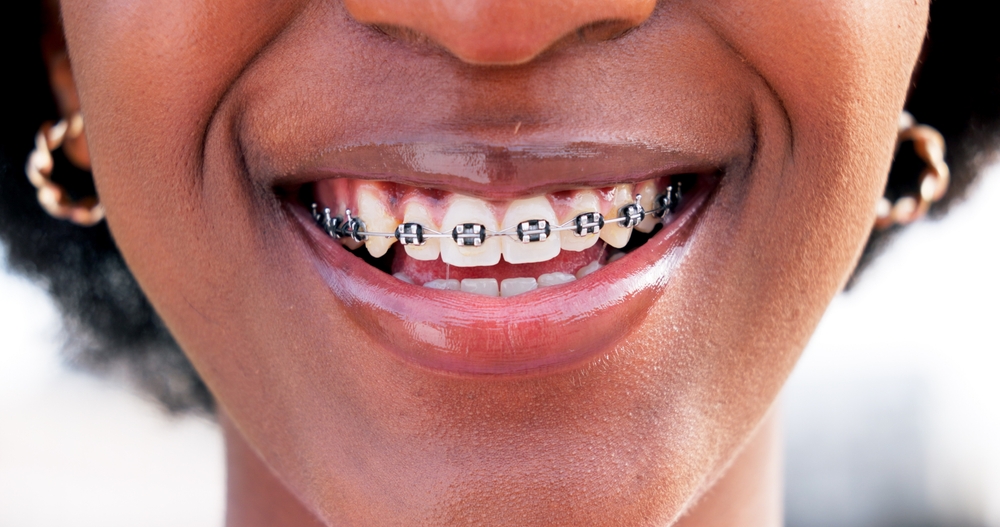
A straighter smile can change more than the way teeth look. For many people, orthodontic solutions support everyday confidence by making it…
Read article →
Bleeding gums and persistent bad breath may signal problems beyond surface buildup. For people seeking dental care in Waterloo, understanding deep cleaning…
Read article →
Jaw discomfort can turn everyday pleasures—sharing dinner, laughing with friends, or enjoying breakfast—into uncomfortable experiences. Although commonly called “TMJ pain,” temporomandibular disorders,…
Read article →Explore what the latest insights mean for your individual dental health with our team.
BOOK AN APPOINTMENT →