Address
304 North Cardinal St.
Dorchester Center, MA 02124
Work Hours
Monday to Friday: 7AM - 7PM
Weekend: 10AM - 5PM

Address
304 North Cardinal St.
Dorchester Center, MA 02124
Work Hours
Monday to Friday: 7AM - 7PM
Weekend: 10AM - 5PM
THE JOURNAL from ASHRAF DENTISTRY
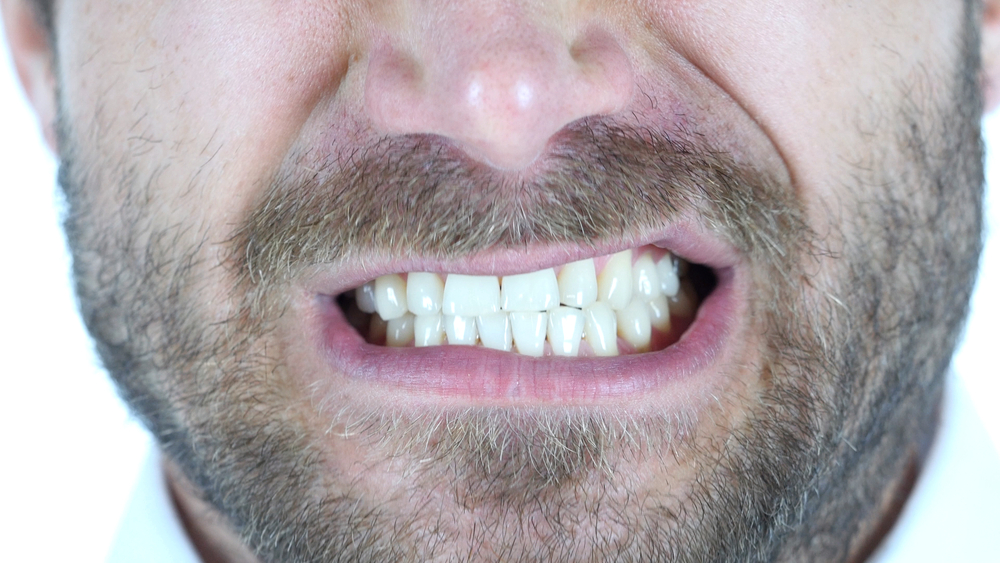
Holiday schedules can be joyful, but they can also bring packed calendars, travel planning, financial pressure, family expectations, and disrupted sleep. For many people, that tension does not stay in the mind; it shows up in the teeth, jaw, gums, cheeks, tongue, and even the muscles around the face. A Waterloo dentist can help identify whether seasonal stress is contributing to clenching, grinding, soreness, or changes in your bite before small symptoms become harder to ignore.
Stress often activates the body’s “ready” response, which can make muscles tighten without you noticing. In the mouth, that may mean clenching your jaw during the day, grinding your teeth at night, pressing your tongue against your teeth, or keeping your jaw tight as you go about your holiday tasks. The habit can feel minor at first, but repeated pressure may irritate teeth, jaw joints, gum tissue, and surrounding muscles.
This is why pre-holiday dental discomfort can seem to appear suddenly. You may not feel especially anxious all day, yet your mouth may be carrying the load while you sleep, drive, shop, cook, or concentrate. Waterloo family dental care often includes looking at these patterns because oral symptoms are not always caused by cavities or gum disease alone.
Holiday stress grinding can look different from person to person. Some people wake with obvious jaw soreness, while others notice subtle changes, such as a tooth that feels “high,” mild gum tenderness, or a dull facial ache that comes and goes.
Watch for these signs during the weeks leading into busy celebrations:
Less obvious symptoms matter too. Some people experience ear fullness, neck tightness, dry mouth, changes in how their bite feels, or soreness when chewing foods that are normally easy to eat. These symptoms can be easy to dismiss during a busy season, but they are worth paying attention to if they repeat.
Grinding gets most of the attention, but stress can affect the whole oral and jaw area. A clenched jaw may overload the muscles that help you chew, speak, yawn, and swallow. Over time, those muscles can become tender in the same way shoulders feel sore after being held tight for too long.
Stress may also change daily habits. You might snack more often, drink more coffee or wine, forget to hydrate, brush quickly, or stay up later than usual. These small shifts can leave the mouth drier, the gums more reactive, and the teeth more exposed to acid or sugar throughout the day.
There is also a soft-tissue side to stress. Some people chew their cheeks, bite their nails, press their lips together, or develop small irritated areas where the mouth tissues are repeatedly rubbed. Others notice canker sores during demanding periods. Stress is not the only possible cause of these issues, but it can be one contributing factor.
The goal is to reduce pressure, protect the teeth, and make the jaw feel safe enough to relax. You do not need a perfect holiday routine; you need a few simple habits that interrupt clenching and support your mouth through a busier-than-normal season.
Try these practical steps:
If you already use a nightguard, bring it to your appointment so the fit and wear can be checked. If you do not have one, avoid buying a guard without guidance if you have jaw pain, bite changes, loose teeth, or significant dental work, because the wrong fit may make symptoms worse.
Dentistry in Waterloo can be especially helpful when symptoms are confusing. Tooth sensitivity, jaw soreness, gum discomfort, and facial pain can overlap, and it is not always possible to tell at home whether the problem is stress-related, dental, muscular, or a combination.
During an exam, a Waterloo dentist may check for worn enamel, small cracks, gum inflammation, recession, bite pressure, tenderness in the jaw muscles, and signs that the cheeks or tongue are being compressed. The goal is not to blame every symptom on stress. It is to separate what needs dental treatment from what may improve with protection, habit changes, and stress reduction.
For some patients, the right plan may include a custom nightguard, adjustments to home care, monitoring sensitive areas, or discussing jaw-friendly routines. For others, the most important step is ruling out decay, infection, gum disease, or a damaged restoration so they can manage stress-related tension with more confidence.
Think of this as A Waterloo Dentist’s Insight Into Holiday Stress Grinding: your mouth may be one of the first places seasonal pressure appears. Clenching, grinding, sore gums, jaw fatigue, cheek biting, headaches, and subtle bite changes are all signals worth noticing.
You do not have to wait until discomfort interrupts your holiday plans. A few daily jaw resets, steadier sleep, gentle oral care, and timely Waterloo family dental support can help protect your teeth and keep your season more comfortable.
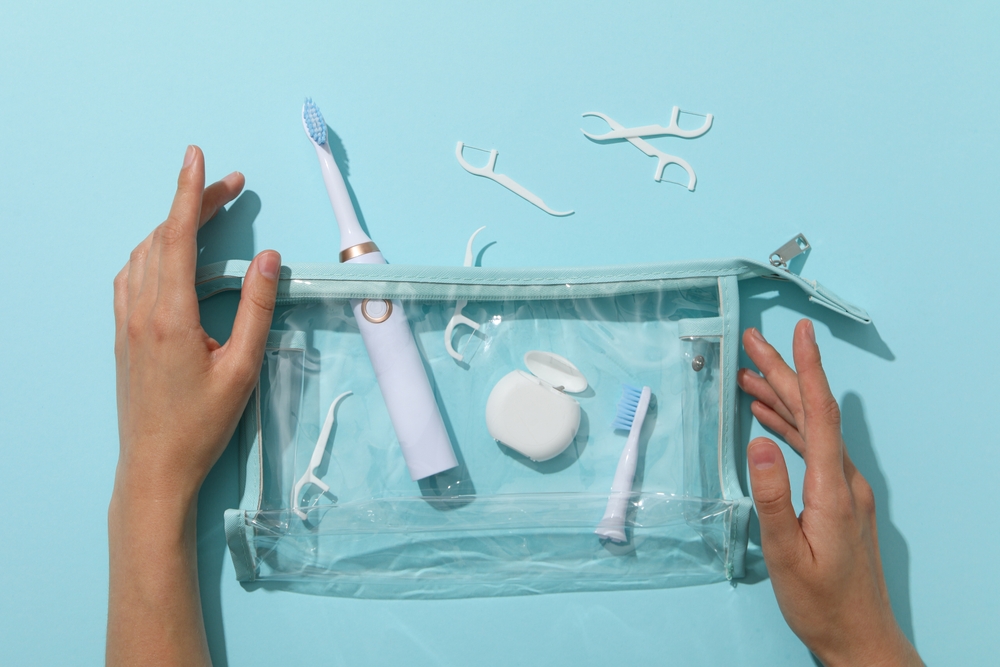
Think of a Holiday Travel Dental Kit: Yorkville Dentist Essentials for Stress-Free Trips as a tiny peace treaty between your smile and…
Read article →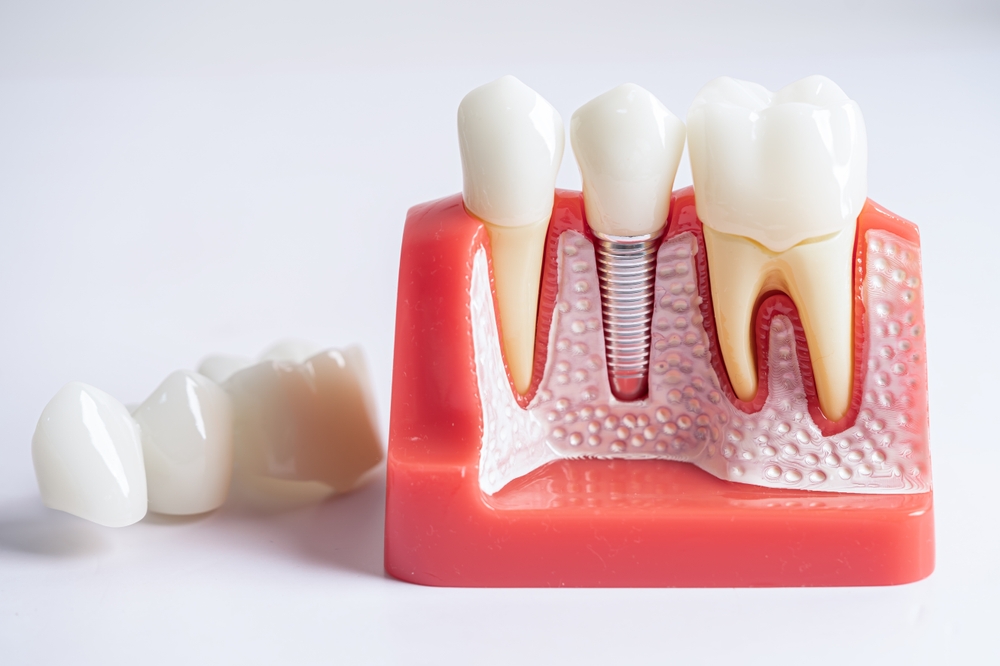
Dental implant eligibility is not a simple yes-or-no checklist. It is better understood as a personalized risk profile. Bone volume, gum health,…
Read article →
Halloween has a way of revealing dental problems that have been quietly developing all year. A filling that seemed secure suddenly loosens…
Read article →Explore what the latest insights mean for your individual dental health with our team.
BOOK AN APPOINTMENT →