Address
304 North Cardinal St.
Dorchester Center, MA 02124
Work Hours
Monday to Friday: 7AM - 7PM
Weekend: 10AM - 5PM

Address
304 North Cardinal St.
Dorchester Center, MA 02124
Work Hours
Monday to Friday: 7AM - 7PM
Weekend: 10AM - 5PM
THE JOURNAL from ASHRAF DENTISTRY
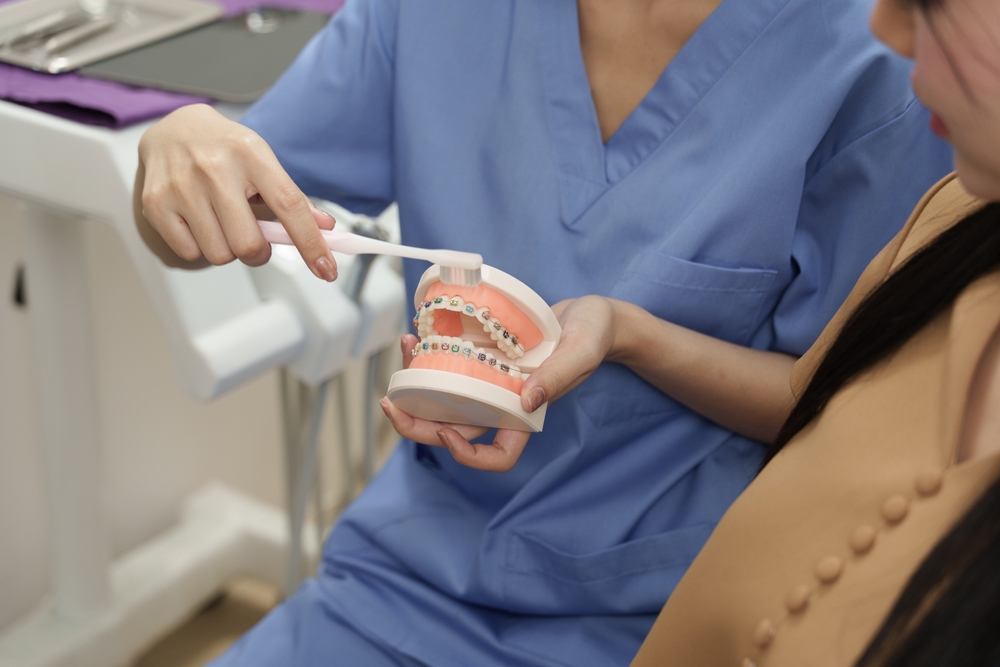
Misconceptions about orthodontic treatment can influence when people seek care, which appliances they consider, and how they maintain their results. Ashraf Dentistry provides perspective on eight common myths. (Source: American Association of Orthodontists, 8 Common Myths About Orthodontic Treatment, February 16, 2026, https://aaoinfo.org/whats-trending/myths-about-orthodontic-treatment/).
Ashraf Dentistry comments, “A smile reveals only part of the picture. Tooth position, gum health, jaw relationships, and chewing patterns all influence planning. Understanding these factors helps people evaluate orthodontic solutions beyond appearance and recognise why similar-looking smiles may require different approaches.”
Providing braces or aligners does not automatically establish specialist qualifications; additional accredited education distinguishes a specialist designation.
Ashraf Dentistry explains, “Consulting a general practitioner offering orthodontic services in Yorkville is an option for exploring orthodontic treatment alongside overall dental health. Considering tooth alignment together with gum health, existing restorations, and bite function helps connect treatment goals with the broader needs of the mouth. An individual assessment helps determine suitable orthodontic solutions, while regular monitoring allows the plan to respond to how teeth move and how the bite develops throughout care.”
Adults can pursue orthodontic treatment when their teeth and supporting tissues are suitable for movement.
Ashraf Dentistry notes, “Age alone does not determine eligibility. Adults may have crowns, missing teeth, or reduced bone support that change the sequence of care. An implant, for example, cannot move like a natural tooth. Corrective orthodontics may therefore require coordination with other dental treatment, making the condition and position of existing restorations important before movement begins.”
Professional monitoring remains important throughout treatment, even when some progress reviews occur remotely.
Ashraf Dentistry highlights, “A photograph can show alignment, but it cannot provide every detail about roots, bone support, or gum health. An aligner that appears seated may still be failing to produce a planned movement. Monitoring allows changes in fit, oral hygiene, and bite contacts to be evaluated before the next stage. Convenient communication works best within a plan that includes appropriate examinations.”
Orthodontic solutions include clear aligners, ceramic braces, and other appliances selected for specific treatment needs.
Ashraf Dentistry shares, “Visibility is one consideration; the movement required is another. Some teeth need rotation, root repositioning, or changes in vertical position. Removable appliances also depend on consistent wear, while fixed appliances require careful cleaning around attachments. The most suitable option balances the clinical goal with habits a person can realistically maintain, rather than assuming the least noticeable appliance is always preferable.”
Treatment duration varies with the extent of movement and the complexity of bite correction.
Ashraf Dentistry says, “Front teeth may look straighter before the bite is ready for treatment to finish. Later stages can involve refining contacts and coordinating how upper and lower teeth meet. Missed appointments, broken appliances, or inconsistent elastic wear can interrupt that sequence. A useful timeline explains both visible changes and less obvious milestones, allowing progress to be understood beyond a promised completion date.”
Changes in alignment can also improve how teeth meet and function.
Ashraf Dentistry explains, “The benefits of orthodontic treatment extend beyond how a smile looks. When teeth do not meet evenly, some may bear more biting pressure than others, contributing to uneven wear or difficulty chewing. Corrective orthodontics can improve these contacts, while addressing crowding may make certain tooth surfaces easier to clean. The purpose is to connect changes in alignment with everyday benefits, such as biting comfortably, chewing effectively, and maintaining oral hygiene.”
Retention helps maintain tooth positions after active movement ends and as the mouth changes over time.
Ashraf Dentistry notes, “Finishing aligners or removing braces begins a maintenance phase. Retainer instructions should cover wear, cleaning, replacement, and signs of a poor fit. A fixed retainer also needs attention because a loose bond may go unnoticed while a tooth shifts. If a removable retainer no longer seats properly, forcing it into place can create problems; its fit needs assessment.”
Temporary tenderness can follow placement or adjustments, but persistent or severe pain needs evaluation.
Ashraf Dentistry comments, “Pressure-related soreness and a wire rubbing the cheek are different problems. Softer foods can reduce chewing discomfort, while orthodontic wax can protect irritated tissue. Symptoms should gradually improve. Sharp pain around one tooth, swelling, or a wire causing repeated injury should not be dismissed as routine adjustment discomfort. Describing the location, timing, and trigger helps identify what requires attention.”
Understanding these myths supports realistic expectations before, during, and after orthodontic treatment.
Ashraf Dentistry concludes, “Informed planning connects the desired result with the responsibilities needed to maintain it. Appropriate monitoring, consistent appliance use, healthy gums, and ongoing retention each contribute to orthodontic solutions that remain practical beyond the final treatment appointment.”

As winter settles in, water breaks can quietly disappear from the day. A bottle that was always within reach in summer may…
Read article →
A strand of floss catches where it used to glide. Cold water suddenly bothers one tooth. The same space between your teeth…
Read article →
Phase 1 orthodontic treatment is early, interceptive care for children whose jaws, bites, teeth, breathing patterns, or oral habits may benefit from…
Read article →Explore what the latest insights mean for your individual dental health with our team.
BOOK AN APPOINTMENT →