Address
304 North Cardinal St.
Dorchester Center, MA 02124
Work Hours
Monday to Friday: 7AM - 7PM
Weekend: 10AM - 5PM

Address
304 North Cardinal St.
Dorchester Center, MA 02124
Work Hours
Monday to Friday: 7AM - 7PM
Weekend: 10AM - 5PM
THE JOURNAL from ASHRAF DENTISTRY
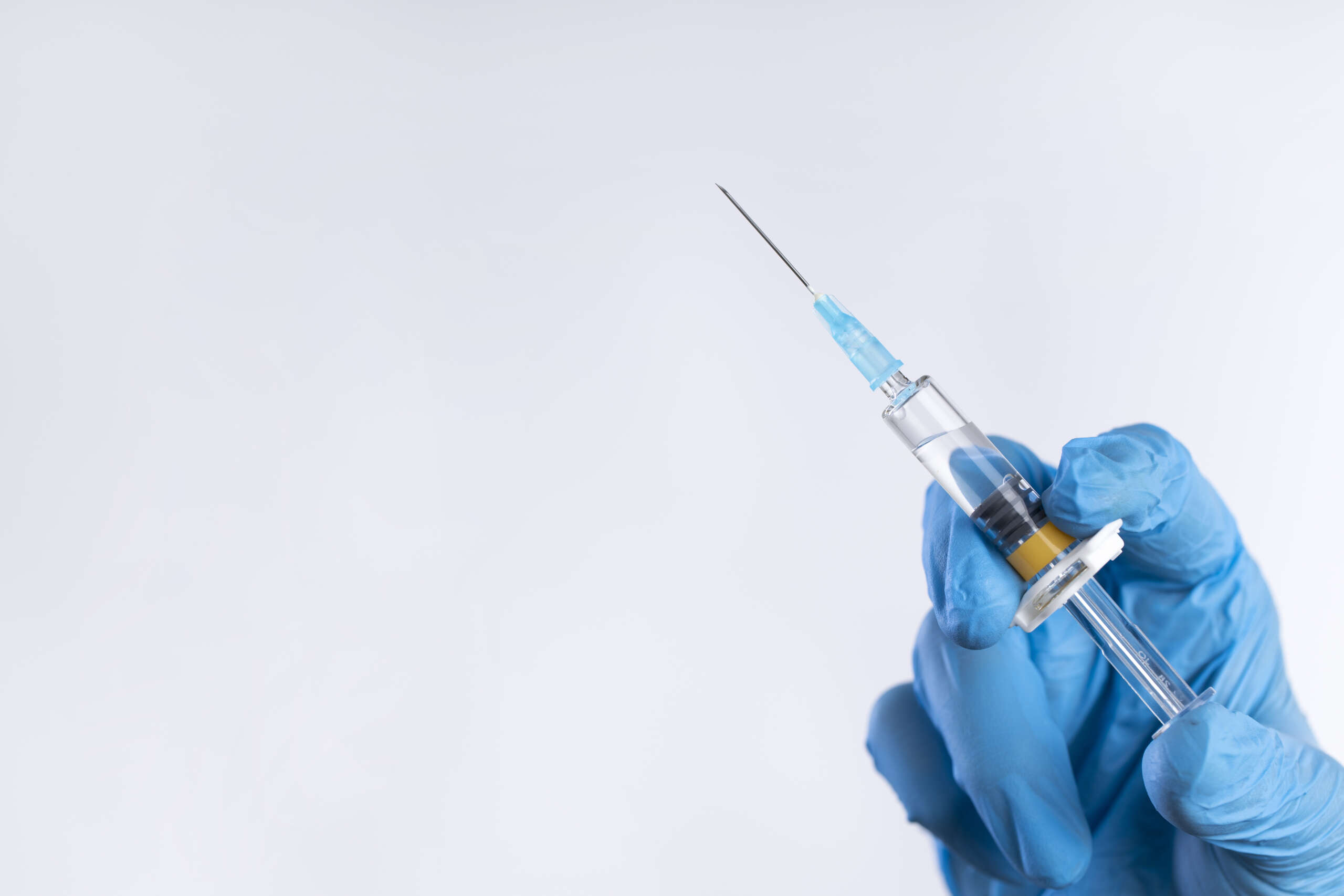
Botox has been traditionally used in the cosmetic industry for several years for erasing wrinkles, fine lines, and other visible signs of aging. However, it may be surprising to know there are medical applications of Botox in the dental industry too. This article will explore how Botox therapeutics find applications in the dental industry.
Botox is a pharmaceutical product. It is made from an exotoxin known as the Botulinum toxin and is produced by the Clostridium botulinum bacterium. Although it is classified as a toxin, it does have many benefits when administered in small doses by doctors. It is used both in the cosmetic and medical industries. As a cosmetic treatment, Botox is used in conjunction with dermal fillers. It helps get rid of wrinkles, crow’s feet, frown lines, and other signs of aging.
As a therapeutic treatment, Botox helps treat neck pain, headaches, and muscle pain, among other things. Over the years, it has made its way into the dental industry as it works by inducing muscle paralysis for short periods. Since Botox is a neurotoxin, it prevents the nerve endings from sending signals to the brain for muscle contraction. Thus, it helps provide relief in painful dental procedures and helps treat Bruxism, TMJ disorder, and other dental problems.
Botox is administered by injection into a muscle; it then tends to attach itself to the nerves controlling the muscle and works by blocking the nerve signals that cause muscle contractions. Botox does not affect the nerves connected to sensory neurons. It only attaches to the nerves connected to motor neurons. The effects of the initial injection will wear off after 3-4 months, after which the dentist can administer it again.
In dentistry, Botox is used for the treatment of –
A therapeutic Botox treatment is usually completed within 30 minutes. However, much of it depends on the number of areas that are being targeted.
While administering Botox to a patient, the dentist ensures the patients’ maximum comfort. Steps are taken to minimize the pain as much as possible. Most patients describe the procedure as a straightforward and pain-free one.
In therapeutic Botox treatments, there is no downtime and recovery period. Patients might experience some swelling and bruising in the injected area, and these side effects disappear reasonably quickly. Patients can return to their routine almost immediately.
The effect of the treatment usually lasts for 3-6 months (depending on the dosage). After a Botox treatment, the dentist also prepares a treatment plan so that the results of the procedure can be preserved. When the effects start diminishing, a reinjection can be scheduled.
Patients would be able to notice the results of the therapeutic Botox treatment within a few days to 2 weeks. However, this depends on the area that has been injected and the size of injected muscle. The results usually last for several months.
It is evident from this discussion that Botox is much more than a wrinkle treatment. Research suggests that it is quite helpful in the treatment of various dental issues like Bruxism, TMJ disorder, facial pain, and the headaches/migraines that result from these conditions. Suppose you are looking to relieve yourself from the pain and discomfort caused by these dental issues. In that case, Contact Ashraf Dentistry for therapeutic Botox treatments today.

Jaw discomfort can turn everyday pleasures—sharing dinner, laughing with friends, or enjoying breakfast—into uncomfortable experiences. Although commonly called “TMJ pain,” temporomandibular disorders,…
Read article →
Misconceptions about orthodontic treatment can influence when people seek care, which appliances they consider, and how they maintain their results. Ashraf Dentistry…
Read article →
As winter settles in, water breaks can quietly disappear from the day. A bottle that was always within reach in summer may…
Read article →Explore what the latest insights mean for your individual dental health with our team.
BOOK AN APPOINTMENT →