Address
304 North Cardinal St.
Dorchester Center, MA 02124
Work Hours
Monday to Friday: 7AM - 7PM
Weekend: 10AM - 5PM

Address
304 North Cardinal St.
Dorchester Center, MA 02124
Work Hours
Monday to Friday: 7AM - 7PM
Weekend: 10AM - 5PM
THE JOURNAL from ASHRAF DENTISTRY
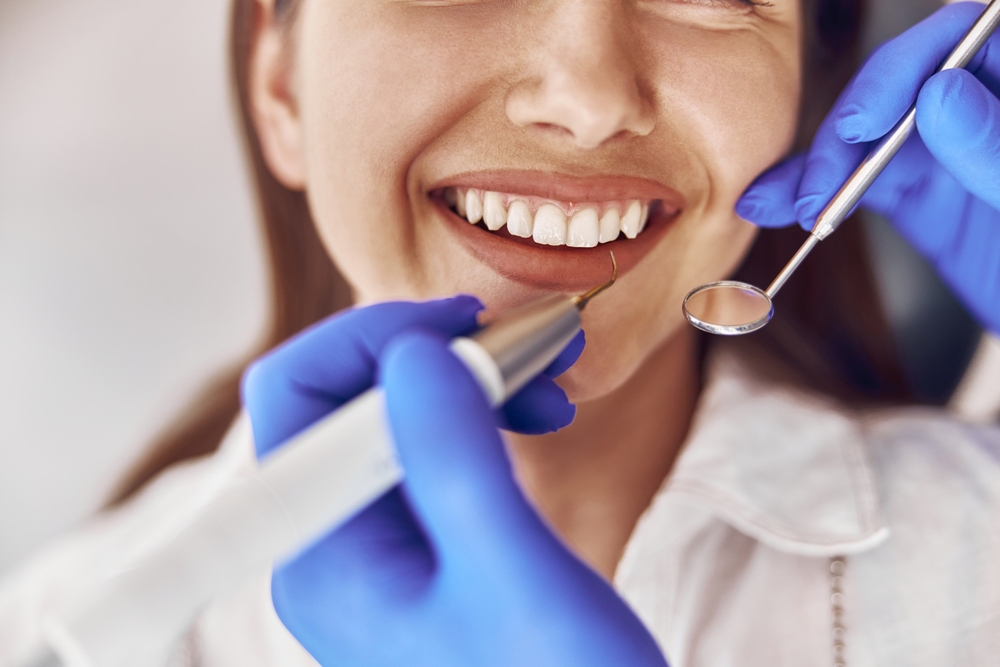
Bleeding gums and persistent bad breath may signal problems beyond surface buildup. For people seeking dental care in Waterloo, understanding deep cleaning can make treatment decisions clearer. (Healthline, The Benefits of Deep Cleaning Teeth, Medically reviewed by Olivia Sugimoto, D.M.D — Written by Valencia Higuera — Updated on July 8, 2025, https://www.healthline.com/health/deep-cleaning-teeth#advantages).
Ashraf Dentistry says, “Teeth can look clean while inflammation develops underneath the gumline. Appearance alone cannot reveal whether the tissues supporting your teeth are healthy.”
Deep dental cleaning is called scaling and root planing. This deep clean removes bacterial plaque and hardened deposits from tooth surfaces, including areas beneath the gums affected by periodontal disease.
Ashraf Dentistry explains, “Brushing cannot remove hardened tartar. When deposits collect inside periodontal pockets, professional treatment addresses areas that home cleaning cannot adequately reach.”
Routine cleaning supports oral health by removing deposits from accessible surfaces. Scaling and root planing targets buildup within diseased gum pockets.
Ashraf Dentistry notes, “Deep cleaning is a treatment decision based on periodontal findings. Ask your Waterloo dentist to explain the pocket measurements, bleeding patterns, and any supporting bone loss behind the recommendation.”
Treatment can reduce inflammation, improve gum health, and help limit further damage to tooth-supporting tissues. Gum-related bad breath may also improve.
Ashraf Dentistry shares, “The most meaningful benefit may be something patients cannot see: better conditions for preserving tooth support. Reduced bleeding matters, but protecting comfortable oral condition and function over time is the broader goal.”
Temporary tenderness, bleeding, and sensitivity can occur. Treatment does not guarantee that receded gums will return or that lost bone will regenerate.
Ashraf Dentistry comments, “Understanding these limits prevents disappointment. Controlling disease and rebuilding lost tissue are different goals. Some patients need additional periodontal treatment after the initial cleaning.”
A periodontal assessment determines which areas require treatment. Local anaesthetic may be used, and appointments may be divided according to treatment needs.
Ashraf Dentistry highlights, “Before treatment, discuss medications, health conditions, and previous reactions to anaesthetics. Appointment planning should also include clear instructions about eating, cleaning, and managing discomfort afterward.”
Scaling removes bacterial plaque and hardened tartar from tooth surfaces above and beneath the gumline, targeting areas that are difficult to reach with regular brushing. Root planing smooths the root surfaces, helping to remove remaining deposits and reduce areas where bacteria can accumulate, supporting gum healing.
Ashraf Dentistry explains, “Buildup beneath the gums creates places where bacteria can remain undisturbed, even when someone brushes regularly. Scaling removes those deposits, while root planing cleans affected root surfaces so they are more compatible with healing. As inflammation decreases, the gums may fit more closely around the teeth, reducing the depth of the pockets where bacteria collect. The goal is to make these areas easier to maintain and help protect the tissues that hold teeth in place.”
Antibiotics or other antimicrobial treatments may be recommended in selected circumstances, but they are not an automatic part of every deep cleaning.
Ashraf Dentistry says, “Antibiotics may be recommended in selected cases to help control infection alongside scaling and root planing. They do not remove hardened tartar or replace the cleaning itself. The decision depends on the periodontal findings and the patient’s medical history. If prescribed, follow the directions carefully and report any side effects rather than changing the dose or stopping treatment on your own.”
Deep dental cleaning may cause tenderness. Numbing helps manage discomfort during treatment. Once it wears off, gums may feel sore, and teeth may react to temperature.
Ashraf Dentistry notes, “Report discomfort during the appointment instead of trying to endure it. Afterward, pain should generally improve. Increasing pain, significant swelling, fever, or persistent bleeding warrants prompt advice.”
Soft foods and lukewarm drinks may feel more comfortable initially. A soft toothbrush and recommended desensitizing toothpaste can also help.
Ashraf Dentistry shares, “Avoid scrubbing sensitive areas harder. Gentle, consistent cleaning remains important. Follow individualized instructions about cleaning between teeth and choosing pain relief that is recommended by your dental team.”
Daily plaque control and reassessment support recovery. Follow-up measurements help determine whether pockets and inflammation have improved or further treatment is needed.
Ashraf Dentistry comments, “Feeling better is encouraging, but it does not confirm that every pocket has responded. Preventive dental care remains essential after treatment, alongside periodontal maintenance tailored to your condition.”
As swollen gums settle, teeth may appear longer, or spaces between them may become more noticeable.
Ashraf Dentistry explains, “Inflamed tissue can conceal existing recession or gaps. Discuss expected changes beforehand so that reduced swelling is not mistaken for new damage caused by cleaning.”
Smoking can impair periodontal healing, while diabetes can influence gum disease risk and management.
Ashraf Dentistry highlights, “Good recovery involves more than brushing technique. Share changes in your health and tobacco use. These details help guide realistic expectations and ongoing monitoring.”
Deep cleaning is an essential step in managing periodontal disease, while daily oral hygiene and follow-up visits help maintain the improvements achieved through treatment.
Ashraf Dentistry concludes, “For anyone seeking dentistry in Waterloo, understanding what happens after deep cleaning is just as important as understanding the procedure itself. Follow-up assessments show how the gums are healing and whether any areas need further attention. Pairing that monitoring with consistent home care helps protect the tissues supporting your teeth and reduces the risk of disease progressing unnoticed.”

Jaw discomfort can turn everyday pleasures—sharing dinner, laughing with friends, or enjoying breakfast—into uncomfortable experiences. Although commonly called “TMJ pain,” temporomandibular disorders,…
Read article →
Misconceptions about orthodontic treatment can influence when people seek care, which appliances they consider, and how they maintain their results. Ashraf Dentistry…
Read article →
As winter settles in, water breaks can quietly disappear from the day. A bottle that was always within reach in summer may…
Read article →Explore what the latest insights mean for your individual dental health with our team.
BOOK AN APPOINTMENT →