Address
304 North Cardinal St.
Dorchester Center, MA 02124
Work Hours
Monday to Friday: 7AM - 7PM
Weekend: 10AM - 5PM

Address
304 North Cardinal St.
Dorchester Center, MA 02124
Work Hours
Monday to Friday: 7AM - 7PM
Weekend: 10AM - 5PM
THE JOURNAL from ASHRAF DENTISTRY
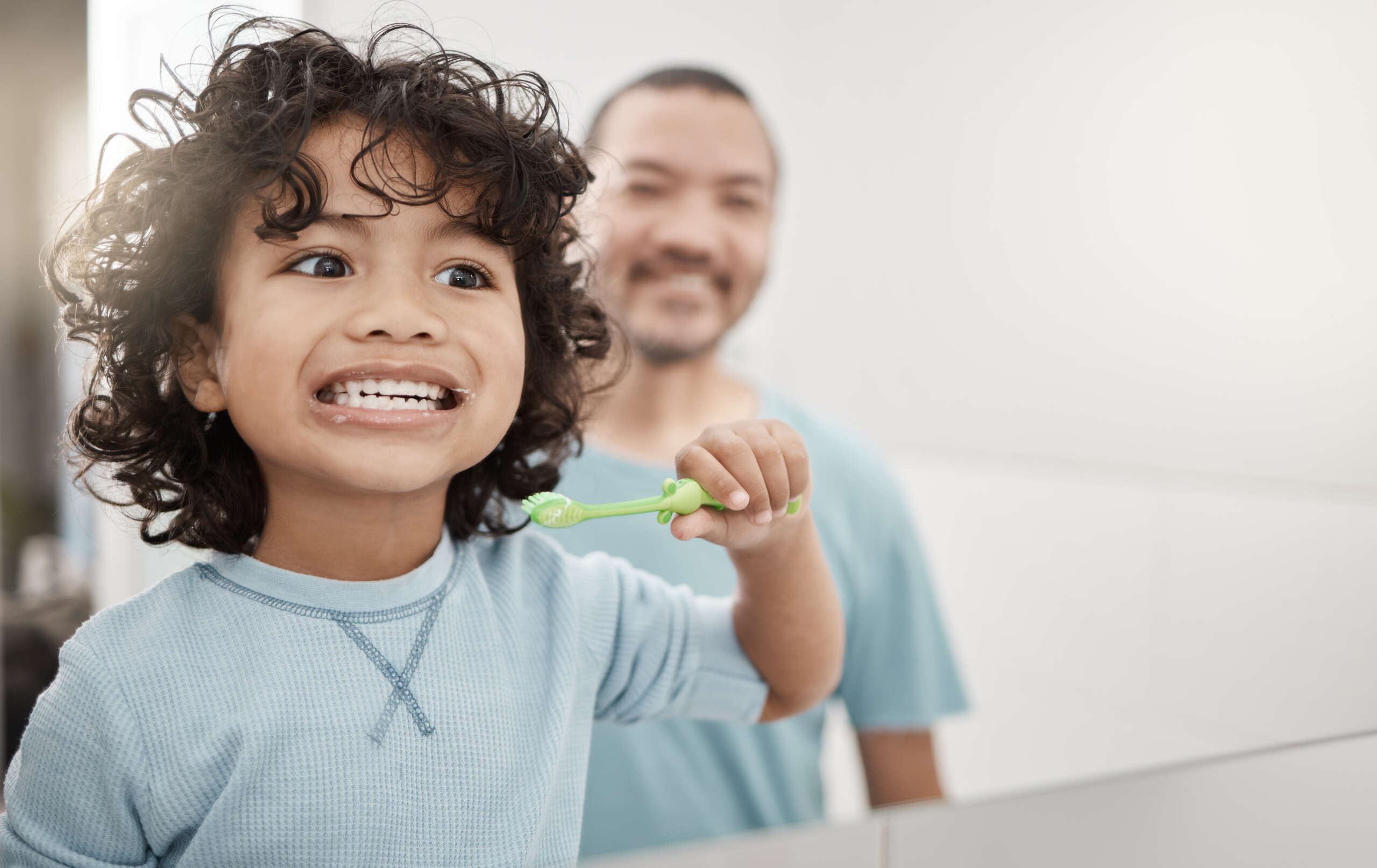
Dental issues among children are very different from that of adults. While adults have one set of permanent teeth, children have two sets that go through various phases of their eruption. In addition, young children depend on their parents to brush their teeth and help them maintain good oral health. As a parent or guardian, this means you have the additional responsibility to watch out for any sign of dental problems in your child.
Understanding common pediatric dental problems and scheduling regular visits to your pediatric dentist is the best way to ensure your child enjoys good oral health lifelong.
According to the Children (Basel) Journal, over half a billion children worldwide experience oral diseases. Let’s understand some of the most common pediatric oral issues:
Occasional bad breath, also known as halitosis, is not serious. Chronic bad breath is likely a deeper issue. The most common reasons are poor oral hygiene, dry mouth, and even digestive problems.
This can be resolved by encouraging your children to have a good oral hygiene routine that includes an antibacterial mouthwash.
Feelings of nervousness and fear before visiting the dentist are common in children. This is often due to a bad experience with dentists in the past.
You can help your child by communicating the concern with the pediatric dentist. The dentist will encourage the child to ask questions and respond with kindness.
It is common for kids who play contact sports to run into dental emergencies such as broken, loosened, or chipped teeth. In more severe events, a permanent tooth may get knocked out.
Knowing that your pediatric dentist provides after-hour emergency care and having their contact details is a great way to stay prepared in the face of such emergencies. Ask your pediatric dentist for a custom mouth guard.
The International Journal of Environmental Research and Public Health says that teeth grinding or bruxism affects almost 49% of children worldwide. This leads to enamel erosion and weak teeth.
Bruxism is treated by providing a special night guard for the child to wear. Your pediatric dentist may also advise avoiding chewing gum and stress reduction.
What starts as gingivitis marked by red and swollen gums often progresses into gum disease when left untreated. This leads to pain and swelling and even tooth loss in severe cases. The most common cause is plaque formation due to poor oral hygiene habits.
This is treated through deep cleaning at your dentist’s office. Brushing and flossing daily also helps fight gum disease.
Cracked teeth, eroded enamel, or newly erupted permanent teeth due to improper brushing or decay may lead to tooth sensitivity.
Your pediatric dentist will treat it depending on the underlying cause. Sealants are often used, and kids are recommended to use soft-bristled toothbrushes.
If children older than five years continue thumb sucking or using pacifiers, they risk misalignment of teeth, overbite, and even speech problems.
If your pediatric dentist observes these symptoms, they may advise stress and anxiety reduction activities. Misalignments are treated through orthodontic treatments.
Kids are not proficient at brushing, and a sugar-heavy diet puts them at a higher risk for cavities. Overseeing an excellent oral hygiene routine ensures that plaque, food particles, and bacteria are removed. In case of a cavity, your pediatric dentist will offer tooth filling to seal the hole with a composite material.
Kids’ dental care is very different from that of adults. It is essential to get them excited about oral care and make it fun. Here are some ways to do that:
Taking a proactive approach to your little ones’ oral health saves them from serious health risks later in their lives. It may be surprising to some that good dental care begins before the child is born. Due to hormonal changes, pregnant women are at a higher risk of dental issues. To prevent passing them on to your baby, you should:
Did you know that a baby has 20 primary teeth at the time of birth? So, this is when good dental care must begin. Here’s how you can take care of their teeth:
By the time your child is a year old, you need to focus on cavity prevention. This can be done by:
As the child grows, paying more attention to their oral routine becomes even more essential.
While childhood dental problems are common, fortunately, they are preventable. Paying attention to your child’s oral health, managing their diet, and teaching them how to brush confidently go a long way. That being said, nothing substitutes scheduling regular visits with your pediatric dentist. It helps evaluate their oral habits and check on dental problems before they become significant.

Jaw discomfort can turn everyday pleasures—sharing dinner, laughing with friends, or enjoying breakfast—into uncomfortable experiences. Although commonly called “TMJ pain,” temporomandibular disorders,…
Read article →
Misconceptions about orthodontic treatment can influence when people seek care, which appliances they consider, and how they maintain their results. Ashraf Dentistry…
Read article →
As winter settles in, water breaks can quietly disappear from the day. A bottle that was always within reach in summer may…
Read article →Explore what the latest insights mean for your individual dental health with our team.
BOOK AN APPOINTMENT →