Address
304 North Cardinal St.
Dorchester Center, MA 02124
Work Hours
Monday to Friday: 7AM - 7PM
Weekend: 10AM - 5PM

Address
304 North Cardinal St.
Dorchester Center, MA 02124
Work Hours
Monday to Friday: 7AM - 7PM
Weekend: 10AM - 5PM
THE JOURNAL from ASHRAF DENTISTRY
Bone grafting is the process of using a piece of bone from a different part of one’s body by transplanting it into the jaw bone. Alternatively, it can be obtained from a cadaver or animal source.
Bone grafting is an essential initial step of dental implant surgery. Oral bone loss due to periodontal diseases, misfit dentures, or facial trauma often requires a bone grafting procedure as a means for the creation of a base for dental implants. It helps in bringing gum disease to a halt or creating a more pleasing smile. Bone grafting is encouraged because of its several benefits.
In the case of dental implant surgery, it helps to strengthen the implant site so that the implant put there by the dentist stays firm. Once the bone grafting procedure is over, it generally takes a few months for the jawbone to heal and the dental implant surgery to be carried on with. For faster healing, Platelet Rich Plasma Therapy (PRP) is now implemented, where PRP from a patient’s own centrifuged blood is used to create blood clots at the site of the wound. This technique enhances wound healing and bone maturation.
The bone is removed from other parts of the body. For example, a fragment will be taken from the iliac, the chin, the molar areas of the jaw, or the hip and shinbone and then implanted in the oral cavity.
A cadaver bone or an artificial synthetic bone is used as an implant.
It involves the use of a bovine (cow) bone as an implant. It is safe and requires no secondary donor site.
Bone grafting helps strengthen the base for dental implants in dental implant surgery.
It is put near an already present tooth to provide additional support. Therefore, giving strength and restricting its mobility.
The bone graft procedure is used to fill the ridges in the jaw bone caused due to injury, trauma, or periodontal disease to give a uniform shape to the jaw.
Bone is grafted in the sinus floor after the elevation of the sinus membrane for secure placement of implants.
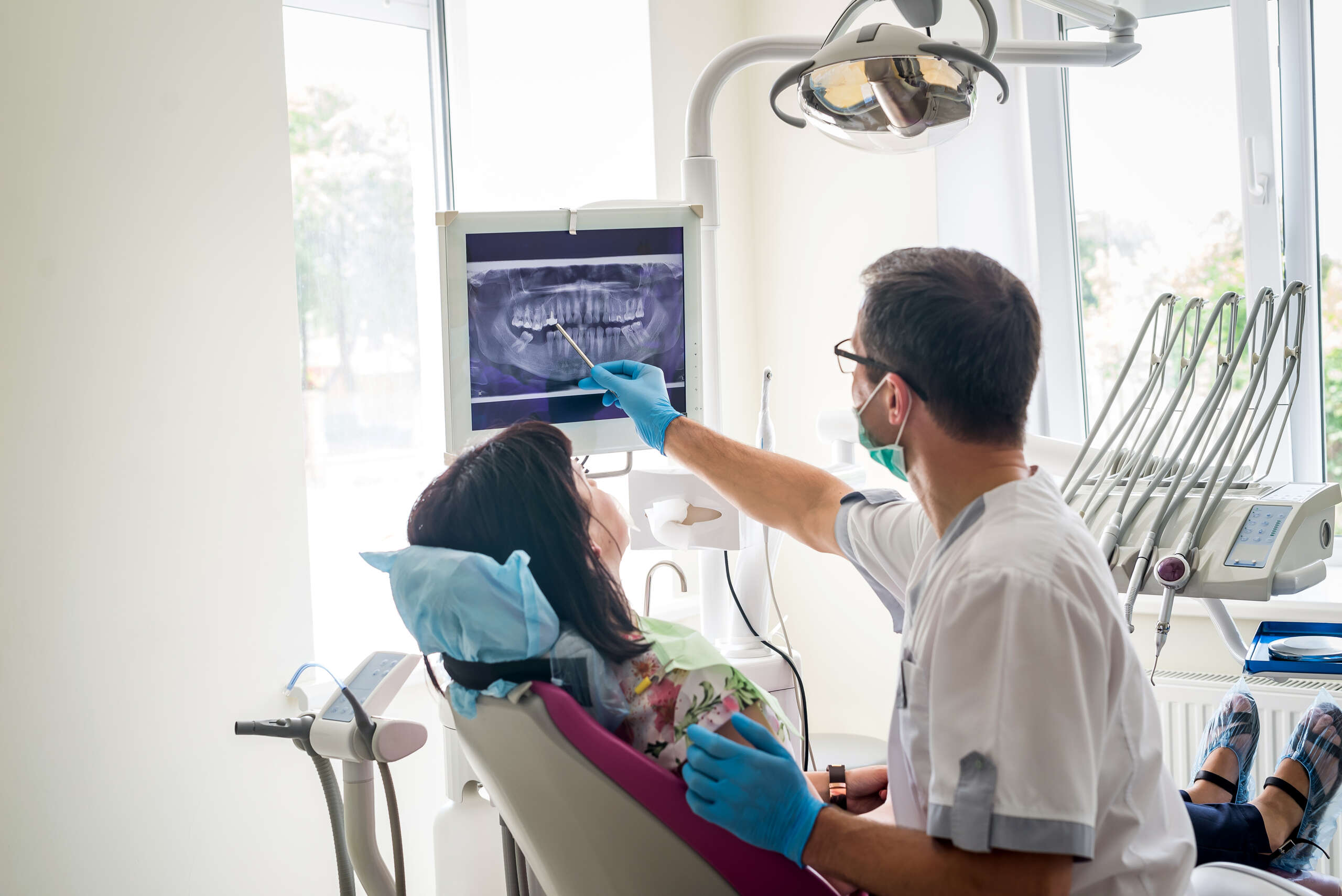
The essential requirement is an oral X-ray for the dentist to locate the exact position of the procedure. Your dentist may advise taking some antibiotics before the surgery to prevent infections. Anesthesia might be necessary, so one should make arrangements to go home after the surgery beforehand. Rest is needed due to general anesthesia’s residual effect if used.
To ease anxieties surrounding a dental procedure, it is always helpful to understand the details. The grafting material is first prepared or harvested in a bone grafting procedure. An incision is made in the gum, gently separated from the bone, and then the grafting material is placed in it. The bone regeneration healing process may be aided by stimulating tissue proteins, platelet-rich growth factors, etc. Then the gum is sutured in place, and a 10-day follow-up visit to the dentist is necessary to assess the progress. In a few months, the jaw will be strong and ready.
Bone grafting is an excellent, safe and successful technique to help those with the disfigured jaw to have a perfectly uniform and healthy jaw. Proper oral hygiene and regular visits to the dentist can also aid in this. Contact Ashraf Dentistry today for more information.

Jaw discomfort can turn everyday pleasures—sharing dinner, laughing with friends, or enjoying breakfast—into uncomfortable experiences. Although commonly called “TMJ pain,” temporomandibular disorders,…
Read article →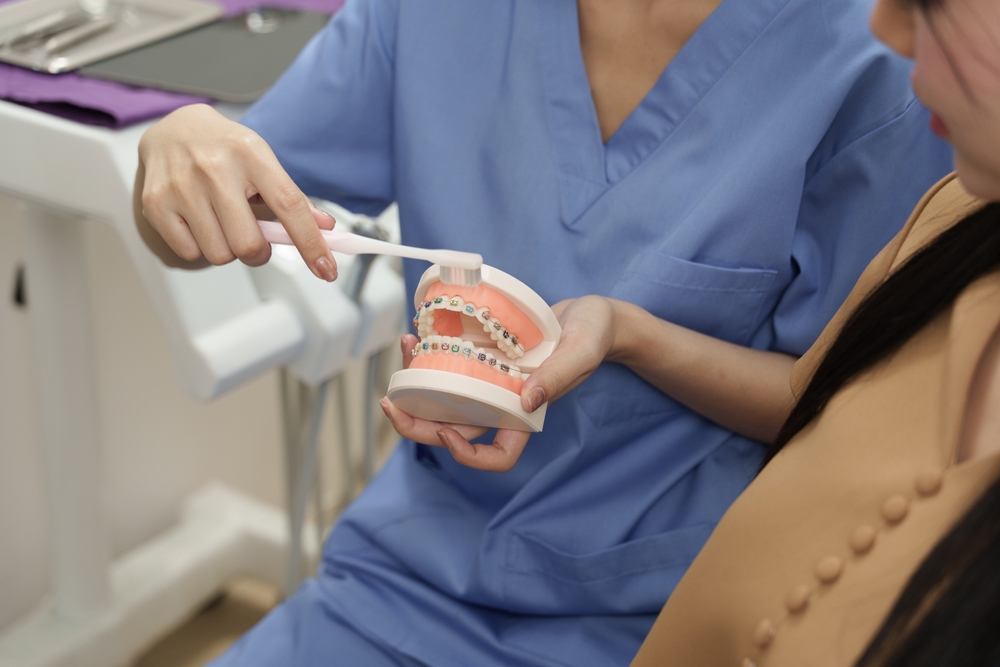
Misconceptions about orthodontic treatment can influence when people seek care, which appliances they consider, and how they maintain their results. Ashraf Dentistry…
Read article →
As winter settles in, water breaks can quietly disappear from the day. A bottle that was always within reach in summer may…
Read article →Explore what the latest insights mean for your individual dental health with our team.
BOOK AN APPOINTMENT →