Platelet-Rich Plasma (PRP) Therapy in Yorkville & Waterloo
A Natural Way to Heal Faster After Dental Surgery
When it comes to dental surgery, recovery time, swelling, and pain are often top concerns. That’s why our clinics in Yorkville and Waterloo offer Platelet-Rich Plasma (PRP) Therapy — a cutting-edge, natural method to accelerate healing, minimize discomfort, and get you back to smiling sooner.
PRP Therapy is not just another dental trend — it’s a powerful, evidence-based technique that uses your body’s own platelets to encourage healing and tissue regeneration after dental procedures. Whether you’re recovering from a tooth extraction, dental implant, or bone graft, PRP can make a noticeable difference in how quickly and comfortably you heal.

What Is Platelet-Rich Plasma Therapy?
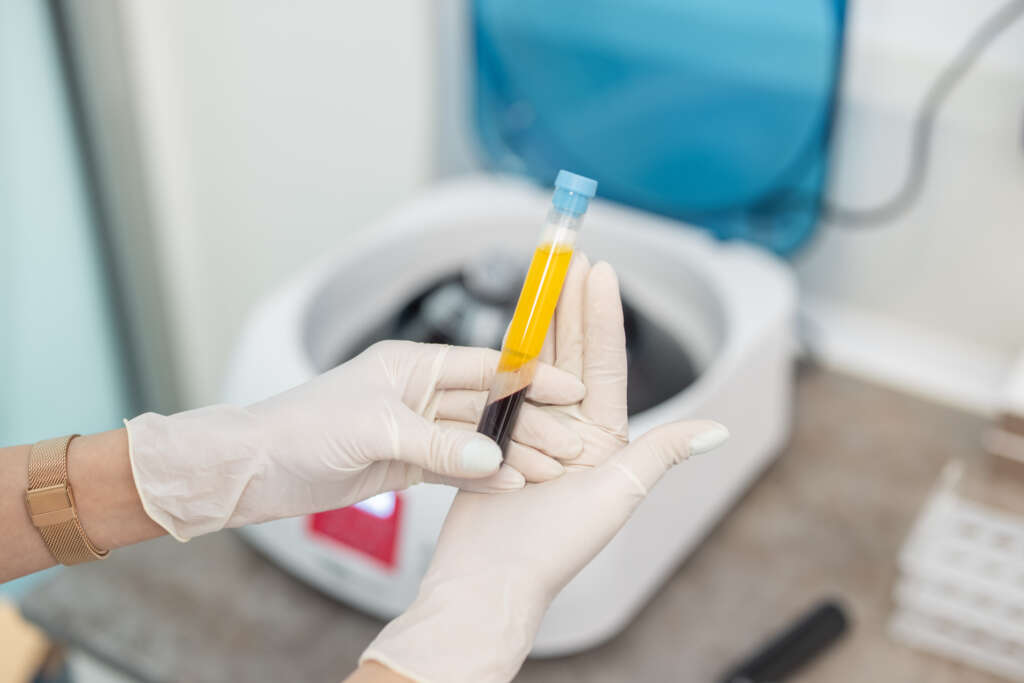
Platelet-Rich Plasma (PRP) Therapy is an advanced healing technique that uses your own blood to naturally enhance recovery after dental procedures. During your visit, a small amount of blood (about 55 cc) is collected and processed in a specialized centrifuge to isolate a high concentration of platelets. These platelets, packed with powerful growth factors, are then carefully applied to the surgical area to boost healing, reduce swelling, and support tissue regeneration.
In dentistry, PRP helps:
- Speed up tissue healing
- Reduce post-operative swelling
- Minimize the risk of infection
- Improve bone regeneration
- Prevent scar tissue formation
Because PRP is autologous — meaning it comes from your own body — it’s a safe and biocompatible solution with no risk of disease transmission or allergic reactions.
How PRP Works in Dental Surgery
We integrate PRP Therapy into various oral and maxillofacial procedures at both our Yorkville and Waterloo dental clinics. Common use cases include:
- Dental implants – PRP accelerates osseointegration and supports stronger bone formation around the implant.
- Tooth extractions – Reduces dry socket risk and speeds up gum healing.
- Bone grafts & sinus lifts – Enhances graft success by stimulating cellular repair.
- Root canals – Supports regeneration of surrounding tissues.
- Cleft palate or fistula repairs – Promotes faster healing and better surgical outcomes.
By incorporating PRP into your treatment plan, we’re not just addressing your dental issue — we’re optimizing your body’s ability to heal from it.
Why Choose PRP at Our Dental Clinics in Yorkville & Waterloo?
Whether you visit us in downtown Toronto or at our modern Waterloo dental office, you’ll experience expert care in a calm, patient-focused environment. Here’s why patients trust us with their PRP therapy:
- Personalized Treatment – We assess each patient’s medical history to determine if PRP is the right fit.
- On-site Processing – Our in-house centrifuge system allows us to prepare and apply PRP in the same visit — the full process takes just 30 to 60 minutes.
- Comfort Comes First – Afraid of blood work? Nervous about dental surgery? Several sedation dentistry options are available to ensure you remain relaxed and free from pain during your dental procedures.
Is PRP Therapy Right for You?
If you’re preparing for oral surgery or a dental implant, PRP Therapy can significantly improve your healing timeline. It’s especially beneficial for:
- Patients with compromised healing ability
- Smokers
- Older adults
- Those undergoing multiple dental procedures
During your consultation, your dentist in Toronto or Waterloo will walk you through the benefits and help determine if PRP fits your specific treatment plan.
Frequently Asked Questions About PRP in Dentistry
Is PRP Therapy painful?
No. The blood draw is quick and involves minimal discomfort; you won’t feel anything during the PRP application as it is part of your procedure.
Is it safe?
Absolutely. Since we use your own blood, there’s no risk of rejection, infection, or allergic reaction.
Will it add time to my appointment?
The full PRP process takes about 30–60 minutes and is completed during your existing dental surgery.
Book Your PRP Consultation Today
If you’re looking for faster healing and less downtime after dental work, Platelet-Rich Plasma Therapy may be the answer. Our skilled dental teams in Yorkville and Waterloo are ready to guide you through every step of the process.
Call our office in Yorkville or Waterloo today to schedule your consultation — and ask about sedation options if you’re nervous. Let’s make your recovery smoother, faster, and more comfortable.