
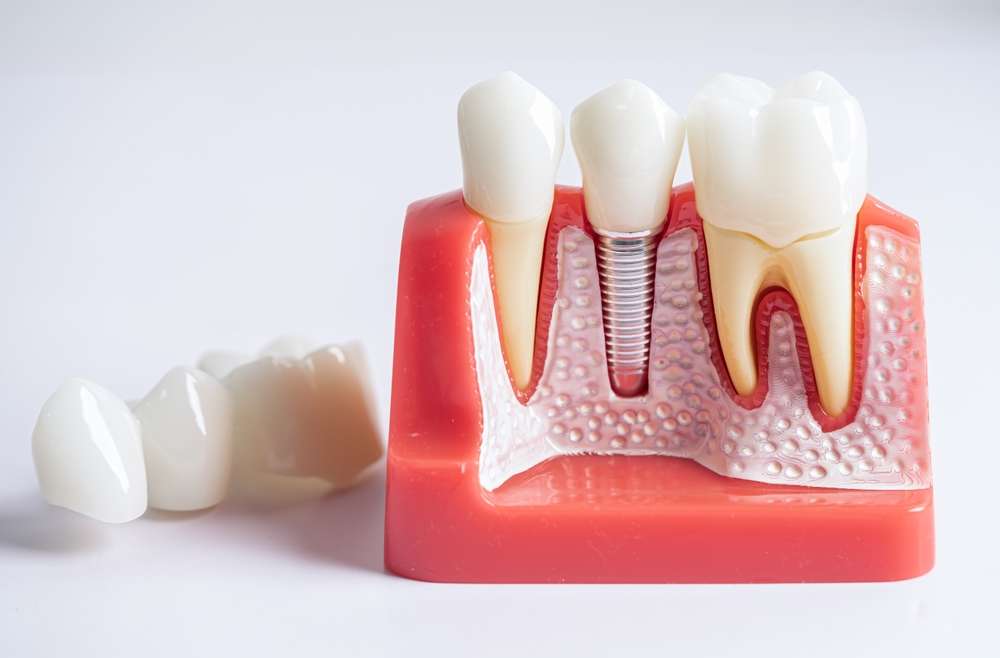
Dental implant eligibility is not a simple yes-or-no checklist. It is better understood as a personalized risk profile. Bone volume, gum health, medical conditions, medications, and daily habits all influence how the mouth heals and supports an implant over time.
A consultation with a dentist in Yorkville can reveal which factors are already favourable, which need attention, and whether preparatory dental procedures could improve candidacy. Here are answers to some of the most important—and often overlooked—questions about dental implants in Yorkville.
If You Have Bone Loss, Can You Receive Dental Implants?
Bone loss does not automatically rule out implant treatment. What matters is where the bone has been lost, how much remains, and whether it can support an implant in the planned position.
A three-dimensional scan may be used to evaluate bone height, width and density while identifying nearby nerves and sinus spaces. Depending on the findings, bone grafting, ridge preservation or a sinus-related procedure may be considered before or alongside implant placement.
There is also a timing lesson here: Following a tooth extraction, the surrounding bone may gradually diminish because it no longer receives the stimulation once provided by the tooth root. An early assessment may preserve more treatment possibilities—even if the patient is not ready to begin immediately.
Does Gum Disease Affect Implant Eligibility?
Active gum disease usually needs to be controlled before implant placement. Dental implants cannot develop cavities, but the gum and bone surrounding them remain vulnerable to inflammation.
Bleeding gums, deep periodontal pockets, or a history of rapid bone loss may change the treatment sequence and maintenance plan. A Yorkville dentist may first recommend periodontal care and improved plaque control. Implant candidacy is not only about placing the implant; it is also about creating an environment capable of maintaining it.
Can Someone With Diabetes Receive Dental Implants?
A diabetes diagnosis alone does not necessarily prevent implant treatment. The level and consistency of blood sugar control are more informative, as poorly controlled diabetes may interrupt healing and increase susceptibility to infection.
Candidates should share recent health information, medications, and any history of slow-healing wounds. Coordination with the patient’s physician may be appropriate. Rather than asking only, “Do you have diabetes?” the more useful question is, “How well is it currently managed?”
Which Other Medical Conditions Require Additional Planning?
Autoimmune disorders, immune suppression, bleeding disorders, cardiovascular conditions and previous radiation to the head or neck may affect treatment planning. Cancer therapies can also influence bone turnover, immunity and healing.
These conditions are not universal exclusions. Their impact depends on current health, treatment history and medication use. Implant planning should account for the whole person—not simply the empty space in the smile.
Can Osteoporosis or Medication Affect Candidacy?
Osteoporosis itself does not always prevent implant placement. However, certain medications used for osteoporosis or cancer-related bone disease may affect how the jawbone heals after surgical dental procedures.
Blood thinners, corticosteroids, and medications that alter immune response may also require additional consideration. Patients should provide a complete medication list, including injections, infusions, supplements and medications taken in previous years. Never discontinue prescribed medication without instructions from the appropriate healthcare provider.
Do Smoking and Vaping Matter?
Yes. Nicotine can reduce blood flow to healing tissues, while smoking is associated with delayed healing and a greater risk of implant complications. Vaping should not be treated as irrelevant simply because it does not produce traditional cigarette smoke; nicotine exposure and oral dryness may still work against healing.
A candidacy discussion may include smoking cessation, nicotine use, and whether the patient can follow temporary restrictions during recovery. Honest disclosure produces a safer and more realistic treatment plan.
Can Teeth Grinding Complicate Dental Implants?
Clenching and grinding create repeated forces that can overload an implant restoration. Telltale signs include flattened teeth, chipped restorations, morning jaw fatigue, and headaches.
Grinding does not necessarily eliminate implant treatment, but it may influence implant position, restoration design and the recommendation for a protective nightguard. This is one reason bite analysis deserves as much attention as bone quantity.
Is There an Age Limit for Dental Implants?
There is generally no single upper-age cutoff. Overall health, healing capacity, oral hygiene, and treatment goals are more important than the number on a birth certificate.
For younger patients, implant placement is usually delayed until jaw growth is complete. Placing an implant too early could leave it misaligned as the surrounding jaw and teeth continue to develop.
What Makes Someone a Strong Long-Term Candidate?
A promising candidate is prepared for more than the surgical appointment. Long-term success depends on daily cleaning, professional maintenance, stable gum health, and monitoring changes in the bite.
If you are considering dental implants in Yorkville, an assessment at Ashraf Dentistry can clarify your current eligibility and identify any steps to strengthen the foundation for treatment. A consultation with a dentist in Yorkville can turn an uncertain “maybe” into an individualized plan tailored to your bone health and lifestyle.