The Stress-Smile Connection: Why Your Yorkville Dentist Can Spot Tension Early
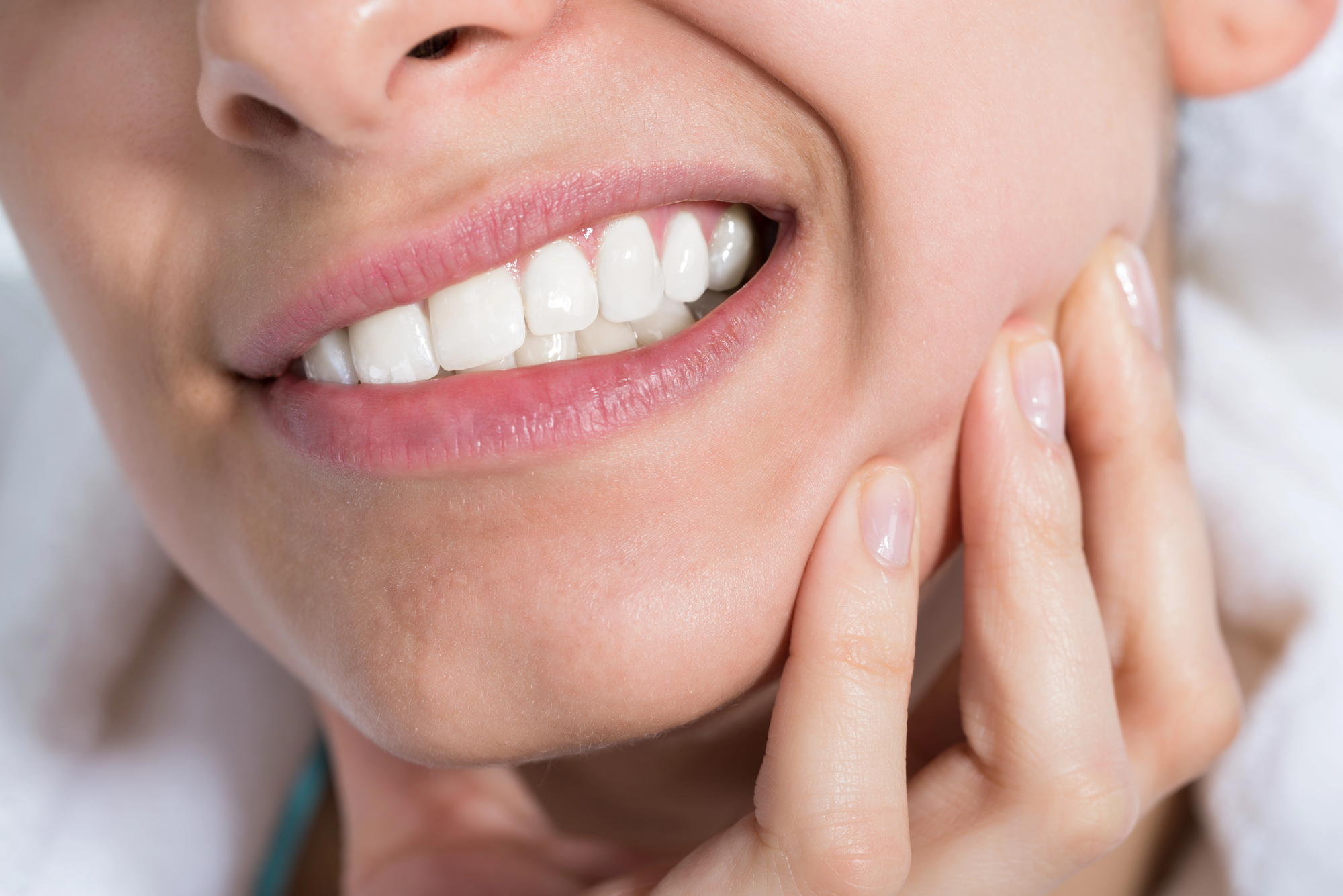
January has a strange way of sneaking up on people. The holidays fade, routines return, and before long, the pressure of a new calendar year lands squarely on the jaw. Literally. Many patients walk into their first appointment of the year unaware that their teeth and gums have already been signalling tension for weeks. Yet the minute you settle into the chair, your Yorkville dentist can often see the evidence.
Not because dentists have some sixth sense, but because stress shows up in patterns: small chips, nicked gums, tight jaw muscles, and tiny fractures that build quietly. Your smile becomes a mirror for what your body has been absorbing.
This year, instead of waiting for pain to tell you something is off, it helps to know what your dentist is looking for and how early care can stop bigger issues before they take root.
The Hidden Language of Stress in Your Mouth
Most people think of stress as something that sits in the mind. Dentists see it in movement. When tension runs high, three behaviours tend to show up.
1. Jaw clenching that never clocks out
Clenching feels harmless because it is quiet and often happens during sleep or while concentrating. The jaw muscles tighten, the teeth grind, and the force can exceed anything you would ever intentionally apply. Your dentist can spot this quickly by looking for flattened cusps, microfractures, and soreness around the temporomandibular joint. These indicators reveal a pattern long before you consciously notice discomfort. It is one of the most common New Year stress habits, especially during post-holiday work sprints.
2. Gum trauma caused by over-brushing
When life feels out of control, people often latch onto routines they can control. Brushing harder is one of them. Many believe pressure equals thoroughness. Instead, it scrapes the gums, causes recession, and irritates delicate tissue. A good Yorkville dentist can see these telltale signs on the spot and help you switch to techniques that protect your smile rather than punish it.
3. Enamel wear that creeps in quietly
Enamel is tough, but it cannot defend itself against constant grinding or acidic saliva linked to chronic stress. When enamel thins, sensitivity rises, and future cavities become more likely. At a routine dental hygiene appointment, your provider can track changes in enamel thickness that you would never catch at home.
Why January Appointments Reveal the Most
It is no coincidence that Toronto dental care providers often detect these issues at the beginning of the year. The seasonal shift from December indulgence to January pressure creates a perfect storm. Less sleep, more screen time, colder weather, and tighter shoulders all contribute to patterns that seep into your oral habits.
By the time you sit down for your first dental hygiene visit, your mouth has already logged the stress. Dentists do not judge these patterns; they read them. And their goal is simple: intervene early so your teeth do not absorb the cost of a stressful season.
Modern Solutions That Keep You Ahead of the Damage
While the signs of stress may be age-old, the solutions available today are far more advanced than they were even a few years ago. Modern Toronto dental care blends technology, prevention, and comfort to put you back in control.
Digital night guards that actually fit
The days of bulky, boil-and-bite guards are over. Today, digital impressions allow your dentist to design thin, precise guards that protect your teeth without disrupting sleep. They absorb grinding pressure, give your jaw muscles a break, and prevent flattening or fractures.
Laser therapy for gum repair
If your stress habits have already caused gum inflammation or trauma, soft-tissue laser treatments can speed healing and reduce discomfort without needles or long recovery times. This is particularly helpful if over-brushing or clenching has irritated the gums.
Enamel-strengthening treatments
Fluoride varnishes, remineralizing agents, and sealants work together to reinforce weakened enamel. These painless treatments help you stay ahead of sensitivity and prevent cavities that often follow prolonged stress.
Intraoral scanning to track subtle changes
High-resolution digital scans allow your dentist to compare year-over-year changes in enamel, alignment, and gum health. Think of it as a stress audit for your mouth. You can see the physical evidence on the screen, which makes it easier to understand and address the habits behind it.
What You Can Do Between Appointments
You cannot eliminate stress entirely, but you can reduce the toll it takes on your smile.
Check in with your jaw throughout the day. If your teeth are touching, you are clenching. Your resting position should be lips closed, teeth apart, tongue relaxed.
Switch to a soft-bristle brush. It cleans just as well and protects the gums from unnecessary trauma.
Keep up with dental hygiene visits. Small issues stay small when a professional monitors them.
Do not ignore sensitivity. It is often the earliest sign of enamel stress.
Your Dentist Sees the Full Picture
There is something reassuring about knowing that your dentist can catch stress patterns you might miss. They see the cause and effect, the tiny details that point to bigger habits, and the small course corrections that can save you from pain and costly dental procedures later.
If your mouth has been working overtime this season, you do not need to wait for something to hurt. A checkup with your Yorkville dentist can give you clarity, relief, and a solid plan for the months ahead. In a time of year when everything feels busy, this is one appointment that pays you back in comfort, confidence, and long-term health.
Your smile tells a story. Let a professional read it before stress writes the next chapter.


