What Causes Jagged Teeth? Ashraf Dentistry Breaks It Down
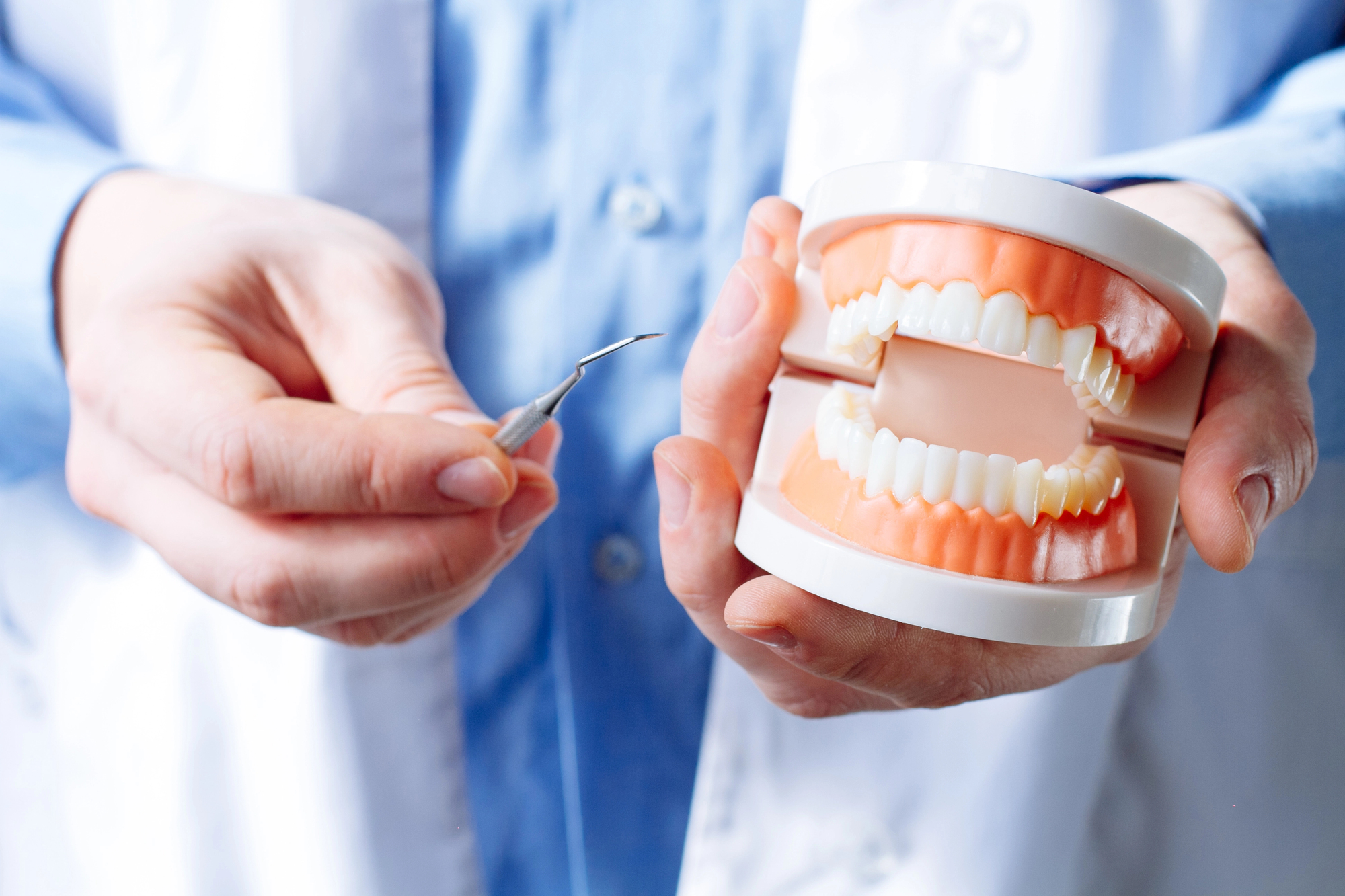
Jagged teeth can appear in both children and adults. In kids, these edges often show up when primary or permanent teeth erupt. In adults, jagged edges usually develop later due to wear, enamel loss, or chipping. While the causes vary, jagged teeth can affect comfort, function, and confidence. Understanding why they form helps people make better decisions about their dental health, especially for anyone seeking dentistry in Waterloo. (Source: Healthline, What Causes Jagged Teeth in Kids and Adults?, Medically reviewed by Christine Frank, DDS — Written by Rachel Nall, MSN, CRNA on March 8, 2021, https://www.healthline.com/health/dental-and-oral-health/jagged-teeth ).
Ashraf Dentistry explains, “Jagged teeth tell a story about how the mouth is developing or how it has handled stress over time. In children, these edges often reflect the natural anatomy of new teeth. In adults, they can signal grinding, accidental trauma, or enamel erosion. Noticing the shape and surface changes of your teeth gives valuable clues about long-term oral habits and overall dental health.”
Will They Go Away in Kids?
Children often develop small bumps or ridges on new permanent teeth. These features, called mamelons, usually smooth out as kids chew, bite, and speak. Because young teeth are still adapting to daily function, these jagged edges tend to fade naturally without intervention.
Ashraf Dentistry notes, “Parents are often surprised when permanent teeth erupt looking uneven. These ridges are simply a sign that the tooth is fresh and untouched by everyday wear. As kids begin using these teeth during regular meals and speech, the enamel naturally evens out. We encourage parents to watch for symmetry, comfort, and normal function, because these factors tell you whether the mouth is developing as expected.”
How to Fix Jagged Teeth
Jagged teeth can be addressed in different ways depending on age, cause, and severity. The approach for children is gentle and conservative. For adults, repair may involve smoothing, bonding, or restorative work if structure has been lost.
In Children
Because many jagged edges correct themselves, children rarely need dental shaping unless a tooth is chipped from trauma. When intervention is required, the goal is to preserve as much natural structure as possible while improving comfort and function.
Ashraf Dentistry shares, “When a child chips a tooth, it gives us insight into bite pressure, play habits, and sometimes even nutritional patterns that affect enamel strength. Any correction is done with the child’s growth in mind, because the jaw and surrounding teeth are still shifting. The focus is always on long-term stability. Understanding how kids use their teeth helps guide the safest and most appropriate steps.”
In Adults
Adults usually develop jagged teeth from grinding, wear, or sudden injury. Depending on the case, a Waterloo dentist may smooth sharp edges, rebuild lost structure, or restore balance in the bite.
Ashraf Dentistry comments, “Jagged teeth in adults are often the result of micro-fractures that occur over the years. Even small chips can affect how the upper and lower teeth meet, which then changes chewing patterns. When we analyze a chipped or uneven tooth, we are looking at how forces are traveling through the jaw, whether grinding is occurring at night, and how lifestyle habits like acidic drinks or certain sports might contribute to enamel weakness.”
Preventing Chipped Teeth in Adults
Prevention is key. Adults often develop chips due to grinding, biting hard objects, or weakening enamel from acidic foods or underlying dental issues. Awareness of daily habits helps people make smarter choices for long-term dental care in Waterloo.
Ashraf Dentistry highlights, “One thing adults often overlook is how frequently they expose their teeth to sudden pressure. Something as simple as cracking ice, biting pens at work, or stress-related clenching can wear teeth down. Staying mindful of what you place between your teeth and recognizing signs of tension in your jaw can reduce the risk of chipping. Strengthening enamel through good nutrition and proper hydration also creates natural resilience.”
When to Call a Dentist
A jagged tooth should be evaluated when it causes pain, sensitivity, cutting of the tongue or cheek, or noticeable changes in the bite. Early assessment helps prevent further damage, which is especially important when seeking dentistry in Waterloo.
Ashraf Dentistry expresses, “Pain or sharp edges tell us something has shifted. Even when the chip seems small, the underlying tooth may have absorbed more force than it appears. Calling a dentist promptly lets you avoid bite imbalance, deeper cracking, and ongoing irritation to the soft tissues. The mouth works as a connected system, so even minor changes can echo across the jaw.”
Jagged teeth can appear for natural reasons in children or as a result of wear and stress in adults. Understanding the cause helps guide the right response and prevents future issues. Anyone paying close attention to their oral health, especially those looking for reliable dental care in Waterloo, benefits from learning how jagged edges form and when to take action.
Ashraf Dentistry says, “Teeth constantly adapt. Whether jagged edges come from natural development or unexpected damage, they offer clues that help us understand the mouth’s history and its needs moving forward. Staying observant and informed empowers people to maintain a strong, comfortable smile throughout every stage of life.”


