How Dental Crowding Affects More Than Your Smile
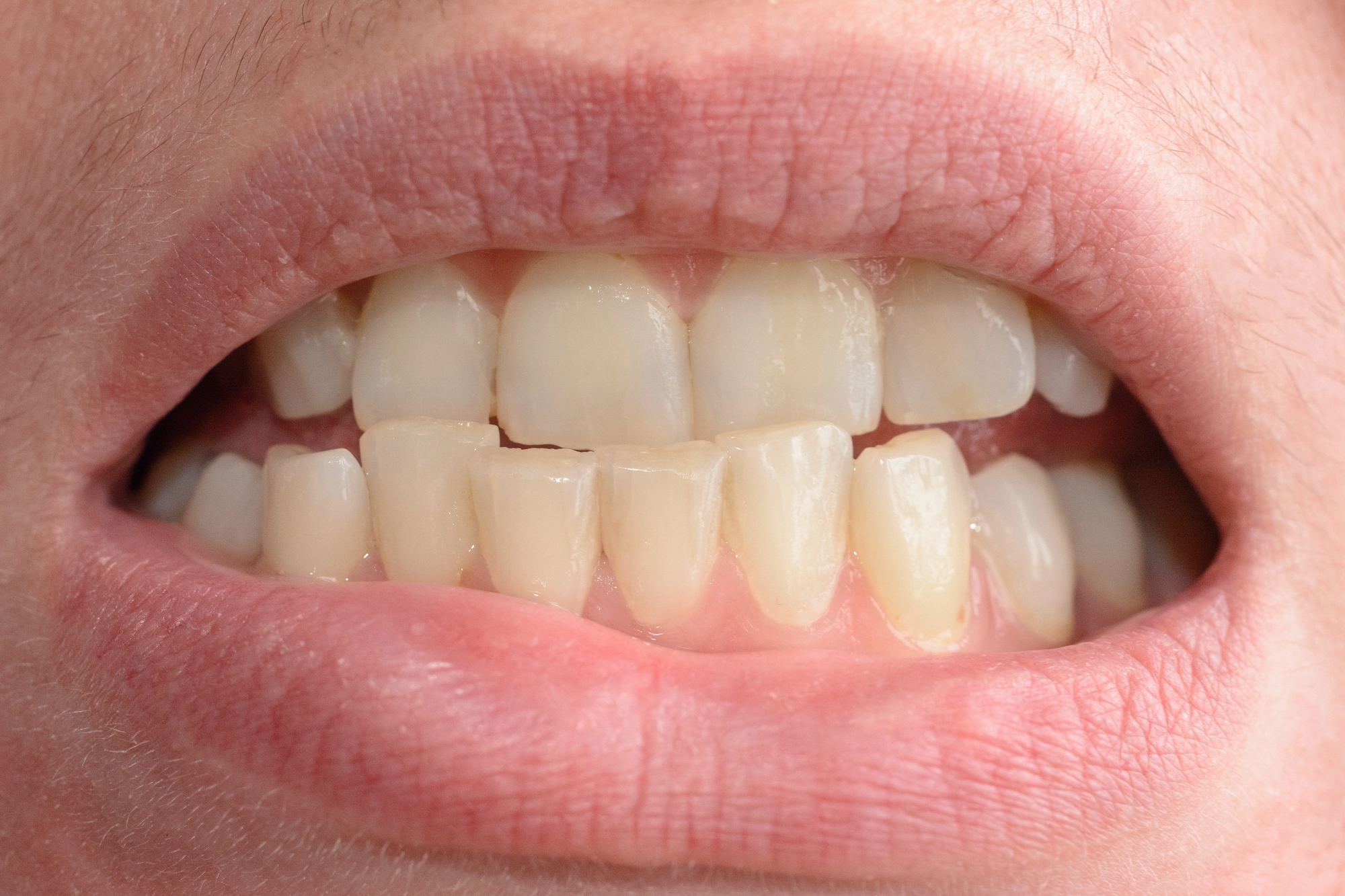
When people think about dental crowding, they usually picture crooked teeth or a smile that feels a little off. That is only the surface. Crowding changes how your mouth works every single day. It shapes how you breathe, how you speak, how you chew, and even how your face ages over time.
As a general practitioner offering orthodontic services in Yorkville, we often see patients surprised to learn that misaligned teeth do more than create a cosmetic concern. They influence real habits and functions that affect comfort, health, and confidence.
This is where early-year planning matters. The sooner families understand how crowding develops and how it impacts daily life, the easier it becomes to prevent long-term complications with the right orthodontic treatment.
Crowding and the Way You Breathe
Your teeth and your airway are more connected than most people realize. When teeth overlap or rotate, the arch of the mouth becomes narrower. A narrow arch often means a narrow nasal airway. Kids and adults with dental crowding tend to rely on mouth breathing without even noticing it.
Mouth breathing can dry the mouth, which increases the risk of cavities. It can change sleep quality because nasal breathing supports more restful airflow. And because the posture of the tongue and lips shifts to accommodate restricted space, the entire lower face starts to work harder than it should.
Early orthodontic treatment can widen the arch, guide jaw growth, and restore natural nasal breathing. It is not simply about straightening teeth. It is about helping the airway function the way it was designed.
How Misaligned Teeth Shape Speech
Dental crowding influences speech patterns in subtle ways. Sounds like S, T, and SH depend on precise tongue placement. If the tongue has less room to move because the teeth lean inward or overlap, speech can become a bit slushy or strained. Some people compensate by pushing their tongue forward, which only creates more imbalance in the long run.
You can think of speech like an instrument. When any part of the instrument is out of alignment, the sound changes. Addressing crowding gives the tongue more freedom, which often improves clarity without the need for extensive speech therapy. For kids, this can make a meaningful difference in social confidence as they grow.
Chewing Efficiency and Headaches You Did Not Expect
Crowding affects the bite. If one tooth is rotated, the tooth above it cannot land where it should. Multiply that by several teeth, and chewing becomes less efficient. Meals take longer. Food is swallowed without being broken down enough. This strains the jaw muscles over time.
Jaw strain often leads to tension headaches, neck tightness, or clicking joints. Many people never think to connect their headaches to their teeth. But once the bite is balanced, those symptoms often improve.
The goal of orthodontic treatment extends beyond just straightening teeth. It is to create a bite that works smoothly so your jaw does not have to compensate every time you eat.
The Lifestyle Ripple Effect
What makes dental crowding so interesting is how far its impact spreads into daily routines.
People with misaligned teeth may avoid foods that are harder to chew. They may speak more softly in group settings out of self-awareness. They might breathe through the mouth during workouts or sleep, which affects energy levels.
Crowding also affects oral hygiene. Overlapping teeth create small corners where plaque settles. Even the most diligent brushing cannot reach everything. Over time, this means more cavities and more frequent dental visits.
Correcting crowding lifts these small daily burdens. Many patients report sleeping better, enjoying a wider variety of foods, and feeling more at ease during conversations. These changes add up to a healthier lifestyle, not just a nicer smile.
Why Early-Year Planning Makes All the Difference
Parents sometimes think orthodontic treatment should wait until all baby teeth fall out. In reality, early evaluation gives you the advantage. Kids grow quickly. Their jaws respond well to gentle guidance, and this makes future treatment simpler and more effective.
An early assessment can spot crowding before it becomes severe. It can also reveal habits like thumb sucking or mouth breathing that contribute to misaligned teeth. Correcting these habits early protects jaw development and can prevent more complex issues later on.
For teens and adults, it is never too late. Modern orthodontic treatment is comfortable and discreet. The key is recognizing the functional benefits, not just the cosmetic ones.
A Fresh Look at a Common Issue
Dental crowding is common, but the experience of living with it is personal. One person may notice frequent headaches. Another may struggle with speech. Someone else might just feel tired of avoiding photos.
The challenge is not the crooked teeth. It is the chain reaction they create. With thoughtful planning and the right orthodontic approach, that chain can be broken.
If you or your child has dental crowding or misaligned teeth, consider an evaluation with a general practitioner offering orthodontic services in Yorkville. A small step today can ease breathing, improve speech, boost chewing efficiency, and protect long-term oral health.
Your smile is part of the story, but how your mouth functions behind the scenes matters just as much.
“Precision Braces. Personalized Results. Available at Ashraf Dentistry
The LightForce System is a breakthrough in orthodontics, using 3D printing and AI-powered treatment planning to deliver fully customized braces for each patient. Unlike traditional one-size-fits-all brackets, LightForce braces are individually tailored to each tooth, offering greater precision, improved comfort, and faster results. With fewer appointments and a more efficient treatment process, LightForce is redefining fixed orthodontics.
Ashraf Dentistry is proud to offer the LightForce System to patients seeking a smarter, more advanced path to a perfect smile.
Contact Ashraf Dentistry today for more information or to schedule a consultation.


