The Hidden Triggers Behind Sudden Pain: Insights From Emergency Dental Care in Waterloo
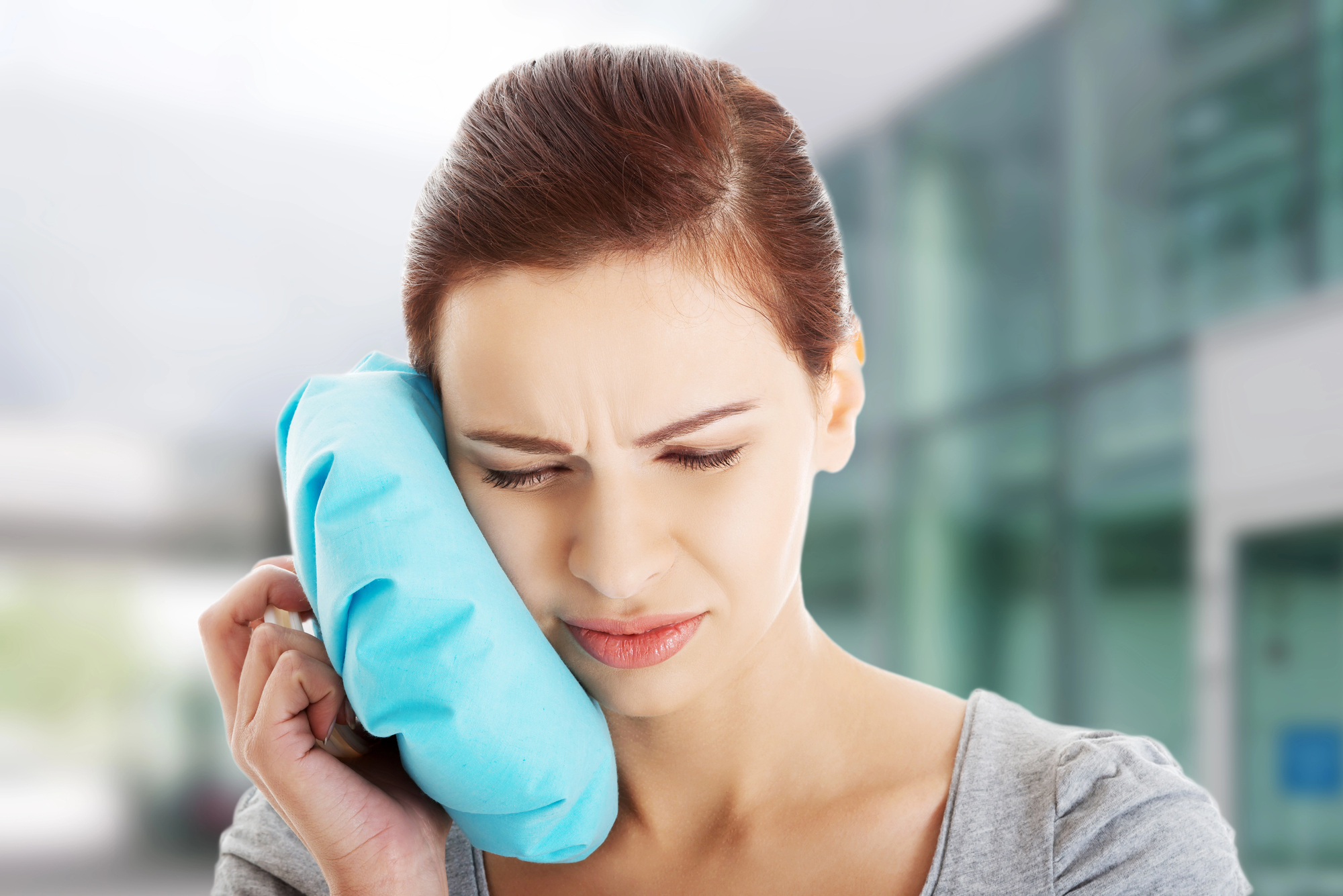
Tooth pain tends to appear when you least expect it. Late at night. During a meeting. On a quiet Sunday morning, when everything else feels fine. Many people assume sudden pain means a cavity or a broken tooth, but emergency dental care often tells a more layered story.
In Waterloo, emergency appointments frequently reveal triggers that are easy to miss in everyday life. These aren’t always obvious dental problems. They’re often tied to how we sleep, how our bodies change, and how stress quietly settles into our routines.
Understanding these hidden triggers does two things. It helps the pain make sense, and it makes it easier to know when it’s time to seek help from an emergency dentist in Waterloo rather than waiting it out.
Sinus Pressure That Pretends to Be Tooth Pain
One of the most common surprises in emergency dental care is how often sinus issues feel like dental emergencies.
The upper back teeth sit close to the sinus cavities. When those spaces become inflamed due to a cold, allergies, or seasonal pressure changes, the nerves can send signals that feel exactly like tooth pain. Patients usually describe it as a deep ache that worsens when tilting forward or lying down.
What makes this tricky is timing. Sinus pressure pain can come on suddenly, especially during weather shifts or after a restless night. It can also disappear just as quickly, leaving people unsure whether to worry.
A dental exam helps rule out hidden issues like cracks or infections. If the teeth are healthy, it gives clarity and peace of mind. If they’re not, early attention prevents the situation from escalating into a true emergency.
Hormone Shifts and Sensitive Teeth
Hormones don’t just affect mood and energy. They also affect oral tissues and nerve sensitivity.
Changes related to pregnancy, menopause, menstrual cycles, or even thyroid fluctuations can increase blood flow to the gums and heighten nerve response. This can turn mild sensitivity into sharp pain without warning.
Many people are caught off guard because nothing looks wrong. There’s no visible swelling. No broken tooth. Just pain that wasn’t there yesterday.
Emergency dental care often connects the dots between symptoms and timing. Understanding that hormones may be playing a role doesn’t mean ignoring the pain. It means checking that the teeth and gums are stable and making a plan to manage flare-ups safely.
Sleep Transitions and Nighttime Clenching
Some of the most intense dental pain shows up in the morning.
Clenching and grinding don’t always happen all night. They often occur during sleep transitions, those brief moments when the body shifts between deep sleep and waking. Stress, screen time, caffeine, and irregular schedules can all make these transitions more abrupt.
The result is jaw tension, sore teeth, and a sudden, unexplained pressure. Over time, this can lead to tiny fractures, worn enamel, and inflamed nerves.
Emergency dentist visits in Waterloo often reveal clenching patterns that patients never realized were occurring. Catching this early can prevent recurring pain cycles and reduce the risk of long-term damage.
Dehydration and Nerve Irritation
Lifestyle habits matter more than most people expect.
Mild dehydration can reduce saliva flow, which normally protects teeth and cushions nerve endings. Dry mouth makes teeth more reactive to temperature changes and pressure. Combine that with stress or poor sleep, and discomfort can escalate quickly.
This is especially common after travel, illness, or long days, where water intake drops without notice. Pain can appear suddenly and feel alarming, even though the trigger is subtle.
A dental evaluation helps confirm whether dehydration is amplifying an underlying issue that needs attention.
Why Sudden Pain Shouldn’t Be Ignored
The most important takeaway from emergency dental care is this. Sudden pain is information.
It’s the body signaling that something has shifted. Sometimes the cause is temporary. Other times, it’s the first sign of a problem that will only get harder to manage with time.
Waiting often leads to worse pain, more complex treatment, and added stress. Seeking emergency dental care early allows for clear answers, practical relief, and a plan forward.
A Lifestyle Approach to Dental Health
Dental health isn’t separate from daily life. It’s shaped by sleep, stress, hormones, hydration, and seasonal changes. Emergency visits often become turning points where people finally connect those dots.
Waterloo dental clinics see this pattern every day. Patients arrive worried about pain and leave with a better understanding of their bodies and their options.
If sudden dental pain interrupts your routine, it’s not something to push aside. An emergency dentist in Waterloo can help uncover what’s really behind it and guide you toward relief before it becomes a bigger issue.
Sometimes the most important step isn’t toughing it out. It’s getting answers.


