
Family Dentistry
Modern dental care for every smile — in Yorkville and Waterloo.
At Ashraf Dentistry, your oral health is our priority. Whether you’re looking for a reliable family dentist in Toronto’s Yorkville neighborhood or trusted dental care in Waterloo, our clinics provide modern, comfortable, and personalized solutions for every patient.
From preventive dental cleanings to restorative treatments like fillings, root canals, and crowns, our team delivers comprehensive dentistry with precision and care. We offer the latest treatments using advanced technology to ensure your experience is efficient, effective, and stress-free.
Dental Cleanings & Tooth-Coloured Fillings
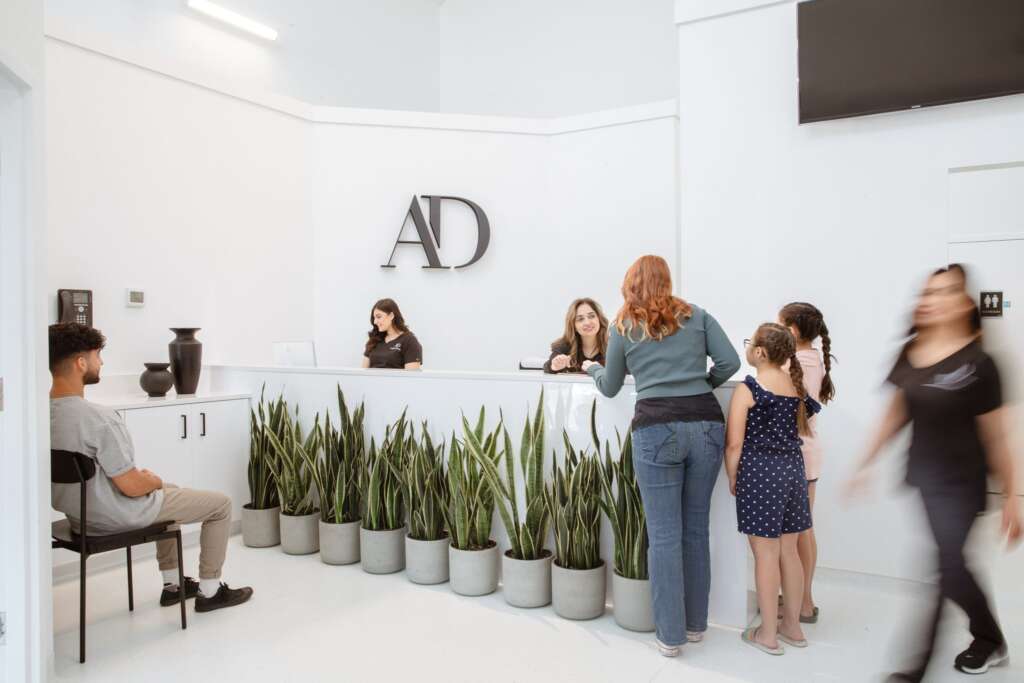
Regular dental cleanings are vital for ensuring excellent oral health. At both our Yorkville dental clinic and Waterloo dental office, we offer professional cleanings to remove plaque, prevent cavities, and maintain healthy gums.
Need a cavity filled? We use high-quality, tooth-coloured composite fillings that are seamlessly matched to your natural teeth. Our fillings are strong, long-lasting, and virtually invisible—restoring function and aesthetics without compromise.
Gum Disease Treatment
Tender, bleeding, or swollen gums can be early signs of periodontal disease. Gum disease is a silent threat—without treatment, it can compromise your jawbone, destabilize your teeth, and impact overall health.
At Ashraf Dentistry, we provide effective gum disease treatments in both Toronto and Waterloo. Depending on the severity, we offer deep cleanings (scaling and root planning), non-surgical therapies, and advanced periodontal surgeries to stop disease progression and restore your oral health.
Root Canal Therapy
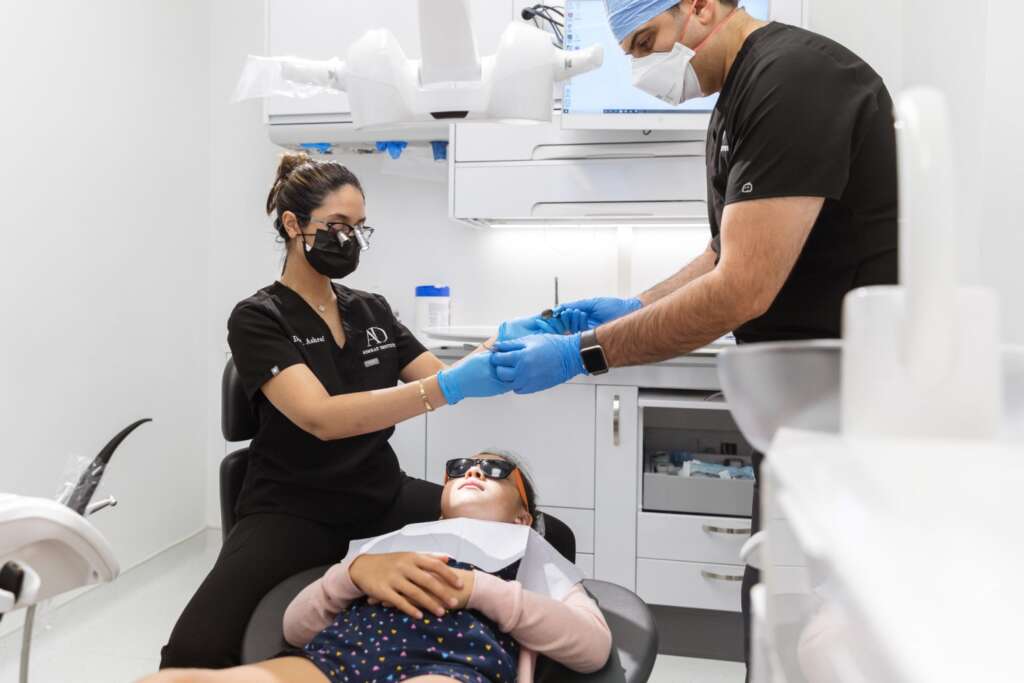
Severe tooth pain or extreme sensitivity can signal an infection in the tooth pulp. Our gentle, high-tech root canal treatments remove the infection, relieve pain, and save your tooth. At our Yorkville and Waterloo dental clinics, we use modern tools and techniques to ensure the procedure is as comfortable and stress-free as possible.
Crowns & Bridges – Same Day Restorations
Damaged, decayed, or missing teeth? We’ve got you covered with expertly crafted dental crowns and bridges. Dr. Ashraf specializes in same-day restorations, so you leave your appointment with a fully restored smile—no waiting, no temporary solutions.
Our porcelain crowns and bridges are meticulously designed to ensure that the appearance matches that of natural teeth, providing strength, beauty, and long-lasting reliability.
PRP Therapy & Surgical Procedures
Ashraf Dentistry is one of the few clinics in Toronto and Waterloo offering Platelet-Rich Plasma (PRP) therapy. PRP is used to speed up healing after extractions, bone grafts, and wisdom tooth surgeries. We use your body’s natural healing factors to reduce swelling, accelerate recovery, and minimize post-operative discomfort.
We also perform wisdom tooth extractions and surgical procedures under deep IV sedation for your comfort and safety.
Botox® for TMJ and Bruxism Relief
More than just cosmetic—Botox® therapy at Ashraf Dentistry is a proven treatment for TMJ disorders and chronic teeth grinding (bruxism). If you’re dealing with jaw tension, facial pain, or headaches, Botox may offer effective, non-invasive relief by relaxing overactive muscles.
Two Locations to Serve You Better
Whether you’re searching for a compassionate dentist in Toronto (Yorkville) or a modern, full-service dental clinic in Waterloo, Ashraf Dentistry delivers exceptional care tailored to your needs.
We’re proud to provide cutting-edge, patient-focused dentistry in Toronto and Waterloo, helping individuals and families maintain healthy, confident smiles.
Book Your Appointment Today
Let’s take care of your smile. Contact Ashraf Dentistry in Yorkville or Waterloo to schedule your appointment. Your journey to better wellness and dental health starts here.