What Really Happens During Scaling and Root Planing: A Closer Look at Deep Dental Hygiene
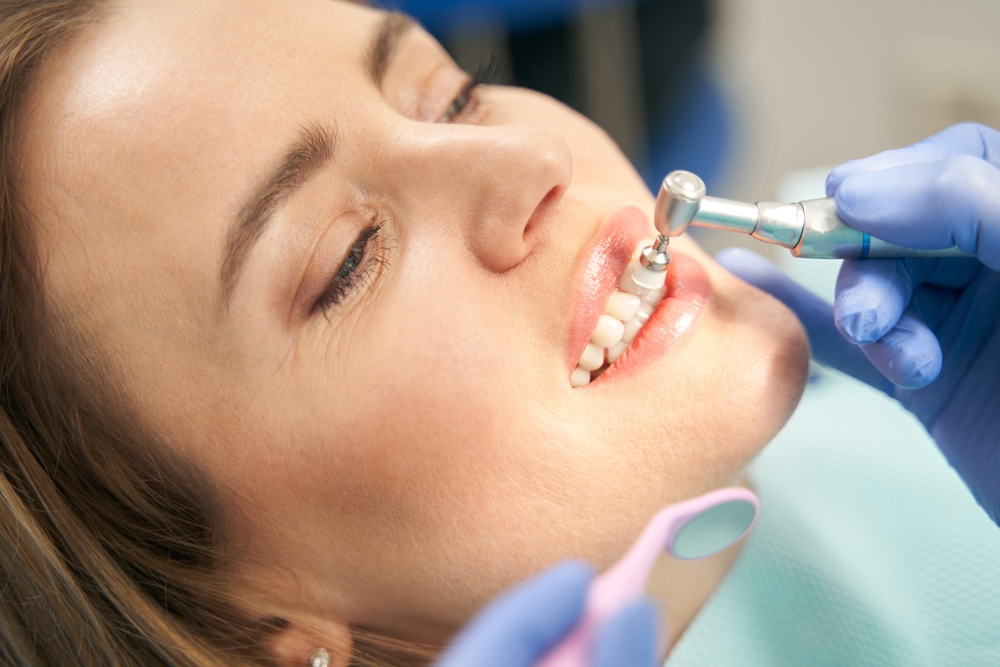
Gum health often changes quietly, with subtle signs that are easy to disregard or dismiss until they begin to affect comfort, appearance, and overall oral wellness. Certain dental procedures are designed specifically to step in at this stage, addressing concerns beneath the surface before they progress further. (Source: Colgate, What Dental Hygienists Do When Root Planing And Scaling Teeth | Colgate®, https://www.colgate.com/en-ca/oral-health/gum-disease/what-dentists-do-when-root-planing-and-scaling-teeth).
Ashraf Dentistry shares, “When patients hear ‘deep cleaning,’ they often imagine a more intense version of their routine visit. In reality, scaling and root planing are less about intensity and more about precision. It’s a targeted reset for the environment beneath the gums, where traditional dental hygiene routines simply can’t reach.”
This procedure plays a key role in modern dental treatments, especially for those experiencing early to moderate periodontal concerns. For patients visiting a Yorkville dentist, it represents a proactive step toward preserving long-term oral health.
What Is Scaling and Root Planing?
Scaling and root planing treat gum disease by addressing its root cause: bacterial buildup beneath the gumline. The process involves two main steps—scaling to remove deposits and root planing to smooth tooth surfaces and discourage further bacterial growth.
Ashraf Dentistry highlights, “Think of this procedure as landscaping for your gums. If plaque and tartar are left undisturbed, they create an uneven terrain where bacteria thrive. Scaling and root planing reshape that terrain into something your body can better protect and maintain.”
What many people don’t realize is how this procedure supports the body’s natural healing ability. By removing irritants, the gums can reattach more securely to the teeth, reducing pocket depth over time.
Step One: Scaling
The first step, scaling, involves removing plaque and tartar both above and below the gumline. Dental professionals use specialized instruments, including ultrasonic tools, to break apart hardened deposits.
Ashraf Dentistry comments, “Scaling is not just about removing buildup—it’s about disrupting a bacterial ecosystem. Beneath the gumline, bacteria organize into complex colonies. Scaling breaks up these communities, making it harder for them to regroup and cause further damage.”
Another lesser-known aspect is how technology enhances this step. Ultrasonic scalers use vibrations and water flow to flush out debris, making the process more efficient and thorough than manual tools alone.
Ashraf Dentistry adds, “Patients are often surprised to learn that water plays a major role during scaling. It’s not just for comfort—it actively helps wash away bacteria and toxins, creating a cleaner foundation for healing.”
Step Two: Root Planing
Root planing follows scaling and aims to smooth the root surfaces of the teeth. Rough areas can harbor bacteria, so this step helps prevent future buildup and encourages the gums to reattach.
Ashraf Dentistry explains, “Root planing is where the long-term magic happens. By smoothing microscopic irregularities on the tooth root, we reduce the ‘grip points’ where bacteria latch on. It’s like turning a Velcro surface into glass.”
This step also has a biological impact. Smoother roots make it easier for gum tissue to heal and reattach, reducing inflammation and improving overall gum stability.
Ashraf Dentistry notes, “What’s fascinating is how quickly the body responds once those irritants are gone. Patients may not see it immediately, but beneath the surface, the gums are actively rebuilding a healthier connection to the teeth.”
What Should I Expect After the Procedure?
Following scaling and root planing, patients might notice slight sensitivity, swelling, or tenderness. These symptoms are usually short-lived and can be eased with appropriate aftercare.
Ashraf Dentistry shares, “Post-treatment sensitivity isn’t a setback—it’s a sign that your teeth are adjusting to a cleaner, healthier environment. The roots, now exposed to less buildup, are simply recalibrating.”
Patients are often advised to maintain gentle dental hygiene practices and may be recommended specific products to support healing.
Ashraf Dentistry highlights, “This is where lifestyle meets dental care. What you eat, how you hydrate, and even how consistently you brush all influence how well your gums recover. Healing doesn’t just happen in the chair—it continues at home.”
They also point out that follow-up visits are an important part of the process, allowing dental professionals to monitor progress and ensure that gum health is improving.
How Can I Prevent Periodontal Disease?
Preventing gum disease involves consistent dental hygiene habits, including brushing twice daily, flossing, and attending regular dental checkups. Early detection is key to avoiding more complex dental procedures later on.
Ashraf Dentistry comments, “Prevention isn’t about perfection—it’s about consistency. Small daily actions, like flossing properly or choosing the right toothbrush, can have a bigger impact than occasional intensive care.”
They also emphasize the importance of understanding your own risk factors, such as genetics, stress, or diet.
Ashraf Dentistry adds, “Oral health doesn’t exist in isolation. Your gums respond to your overall lifestyle. Sleep patterns, nutrition, and even stress levels can influence inflammation and healing.”
For those visiting a Yorkville dentist, personalized care plans can help tailor prevention strategies to individual needs, making dental treatments more effective and sustainable.
Scaling and root planing go beyond being a simple treatment—it’s a turning point in managing gum health. Addressing bacteria below the surface creates the conditions needed for healing and long-term stability.
Ashraf Dentistry concludes, “What makes this procedure so powerful is its ability to change the trajectory of your oral health. It’s not just about cleaning what’s there—it’s about creating an environment where problems are less likely to return.”
Gaining insight into scaling and root planing can reshape patients’ perspectives on dental hygiene and dental treatments. With the right knowledge and care, this treatment becomes not just a solution, but a foundation for healthier living.


