Orthodontic Treatments: What to Do When Your Retainer Feels Off or Tight
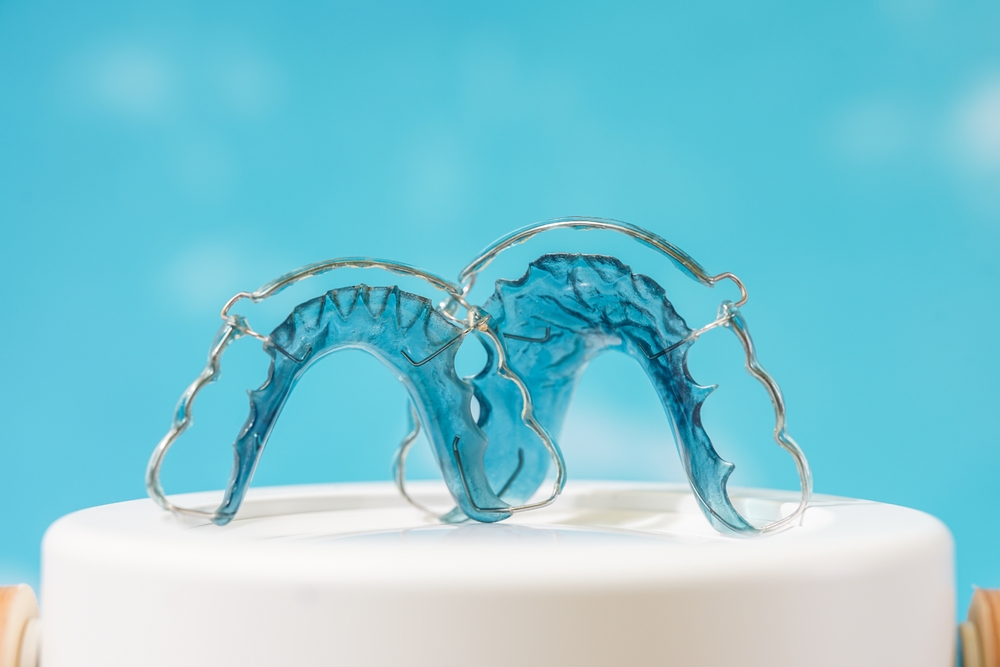
Completing orthodontic treatments is a milestone many people look forward to. After months or years of adjustments, aligners, or braces, the retainer becomes the tool that helps maintain those results. Yet many people experience a moment of panic when they put their retainer in and notice it feels unusually tight, uncomfortable, or simply “different” than before.
Is that feeling normal? Does it mean your teeth are shifting? Or could it be a sign that something requires attention?
The truth is that a retainer can tell an interesting story about what is happening in your mouth. Understanding the difference between normal tightness and potentially concerning changes can help you protect the investment you made in orthodontic treatments while supporting long-term oral health.
Why Retainers Feel Different Sometimes
One of the biggest misconceptions about a retainer is that once treatment ends, your teeth stop moving altogether. In reality, teeth are dynamic structures influenced by daily habits, chewing patterns, aging, sleep positions, and even stress-related clenching.
Because of this, a retainer may occasionally feel snug even if nothing is seriously wrong.
For example, many people notice mild tightness:
- After forgetting to wear their retainer for a few days
- Following a vacation or change in routine
- During periods of increased stress and jaw tension
- After dental procedures that temporarily affect surrounding tissues
- Following illness or dehydration
In these situations, the retainer is often doing exactly what it was designed to do—helping guide teeth back into their intended position.
When Mild Tightness Is Usually Normal
A small amount of pressure when inserting a retainer is often expected.
Think of it like putting on a favourite pair of shoes after not wearing them for several weeks. They may feel a little different initially, but quickly become comfortable again.
Signs that tightness is generally normal include:
- The retainer still fits completely
- It sits properly without forcing it
- Mild pressure fades after a short period
- No sharp pain occurs
- The sensation improves with consistent wear
Many individuals undergoing preventative orthodontics learn that brief periods of tightness are common throughout life because teeth naturally respond to everyday forces.
The key factor is whether the retainer can still fit properly without excessive pressure or discomfort.
When Tightness May Be a Warning Sign
Not all tightness should be ignored.
A retainer that suddenly feels dramatically different may indicate more significant tooth movement.
Potential warning signs include:
The Retainer No Longer Fits Completely
If the retainer lifts off certain teeth or refuses to seat fully, forcing it into place is generally not advisable.
This may indicate that teeth have shifted beyond what the appliance can comfortably accommodate.
Persistent Pain
Pressure is different from pain.
A properly fitting retainer may create temporary pressure. However, persistent soreness, sharp discomfort, or pain that continues for hours deserves attention.
Visible Tooth Movement
Some people notice gaps reappearing, teeth overlapping slightly, or rotations returning.
Even small changes can affect how a retainer fits and feels.
Cracks or Damage
Sometimes the issue is not your teeth at all.
Retainers can warp, crack, or lose their shape over time due to:
- Heat exposure
- Improper cleaning methods
- Normal wear and tear
- Accidental damage
A distorted retainer may create unusual pressure points that feel similar to tooth movement.
The Lifestyle Factors Nobody Talks About
Most discussions about retainers focus solely on compliance. While wearing your retainer consistently is important, lifestyle habits can also influence how it feels.
Stress and Clenching
Many people unconsciously clench their teeth during stressful periods.
This can create muscle tension and place additional forces on teeth, sometimes causing a retainer to feel tighter than usual.
Fitness and Physical Activity
Certain athletic activities that involve jaw clenching can affect bite pressure and tooth positioning over time.
Athletes who regularly grind their teeth during training may notice occasional differences in retainer comfort.
Sleep Position
Sleeping face-down or consistently applying pressure to one side of the face can contribute to subtle shifts in oral structures over many years.
While these changes are often minor, they can affect how a retainer feels.
Aging
A surprising reality is that teeth can continue to change throughout adulthood.
This is one reason why preventative orthodontics often emphasizes long-term retention rather than viewing retention as a temporary phase.
What You Should Do If Your Retainer Feels Tight
If your retainer suddenly feels different, avoid jumping to conclusions.
Instead, consider these steps:
Wear It Consistently
If the retainer still fits properly, returning to your recommended wear schedule may help restore comfort.
Inspect It Carefully
Look for:
- Cracks
- Warping
- Rough edges
- Areas that appear distorted
Damage may explain unusual pressure.
Avoid DIY Adjustments
Attempting to bend, trim, or reshape a retainer at home can worsen the problem and potentially affect your results.
Monitor Changes
Pay attention to whether the tightness improves, remains stable, or worsens over several days.
Patterns often provide valuable clues about what may be occurring.
Seek Professional Guidance
If the retainer no longer fits correctly, causes significant discomfort, or you notice visible tooth movement, scheduling an evaluation at a dental clinic in Yorkville can help determine the cause.
The Emotional Side of Retainer Wear
Interestingly, retainers often become associated with confidence and accomplishment.
After completing orthodontic treatments, many individuals develop an emotional connection to maintaining their results. When a retainer suddenly feels different, it can trigger concerns about losing progress.
Rather than viewing these moments as setbacks, it can be helpful to see them as reminders of how active and adaptable the mouth remains throughout life.
The goal is not perfection. The goal is awareness.
Small adjustments made early are often easier to address than larger shifts that develop over months or years.
Looking at Retainers as a Long-Term Wellness Tool
A retainer is more than a piece of plastic or wire. It serves as an ongoing checkpoint that helps you monitor changes occurring in your smile over time.
Whether you completed orthodontic treatments recently or years ago, paying attention to how your retainer feels can provide useful insights into your oral health. While mild tightness is often a normal part of maintaining results, persistent discomfort, poor fit, or noticeable changes should not be ignored.
As preventative orthodontics continues to emphasize long-term maintenance, retainers remain one of the simplest tools for protecting alignment and supporting lasting results. If you have concerns about a retainer that feels off, a general practitioner offering orthodontic services at a dental clinic in Yorkville can help assess the situation and determine the most appropriate next steps.
“Precision Braces. Personalized Results. Available at Ashraf Dentistry
The LightForce System is a breakthrough in orthodontics, using 3D printing and AI-powered treatment planning to deliver fully customized braces for each patient. Unlike traditional one-size-fits-all brackets, LightForce braces are individually tailored to each tooth, offering greater precision, improved comfort, and faster results. With fewer appointments and a more efficient treatment process, LightForce is redefining fixed orthodontics.
Ashraf Dentistry is proud to offer the LightForce System to patients seeking a smarter, more advanced path to a perfect smile.
Contact Ashraf Dentistry today for more information or to schedule a consultation.


