A Closer Look at Tongue-Scraping and Dental Hygiene
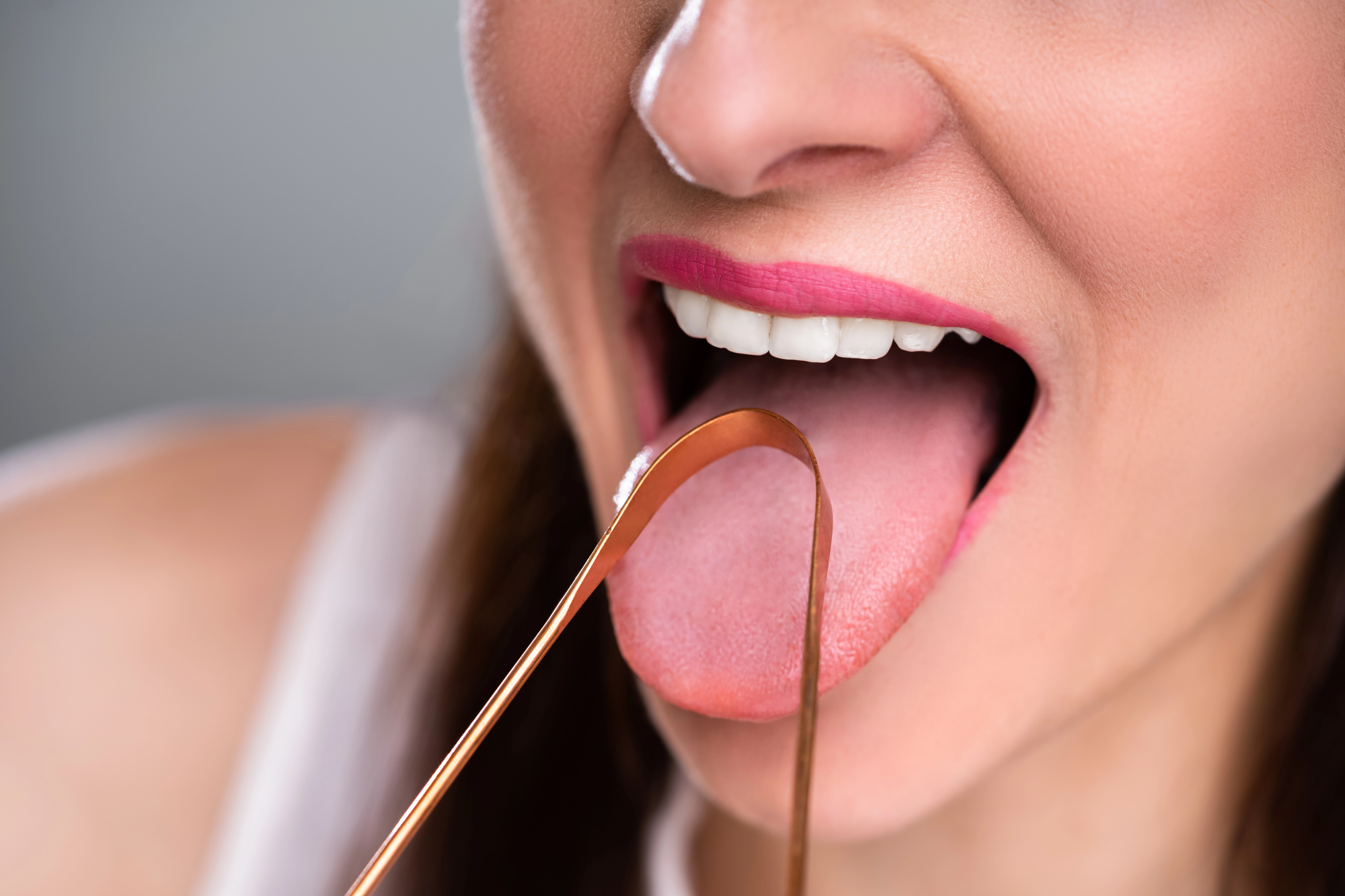
Tongue-scraping has quietly made its way into modern wellness routines, shifting from an ancient practice into a conversation that now includes dental hygiene and everyday oral care. While brushing, flossing, and rinsing remain the foundation of most dental practices, more people are paying attention to what’s happening on the tongue’s surface and how it affects the overall feel of the mouth.
Ashraf Dentistry shares, “Dental hygiene isn’t just about what you see in the mirror. The tongue plays a major role in how the mouth functions and feels, and caring for it can change the way people experience their daily oral routine.”
As interest grows around preventive dental treatments and simple habits that support long-term oral health, tongue-scraping is gaining attention for its practicality and ease. (Source: The Skimm, Why Tongue-Scraping May Actually Be Worth the Hype, https://www.theskimm.com/wellness/benefits-of-tongue-scraping ).
What Is Tongue-Scraping?
Tongue-scraping is a process that involves gently removing buildup from the surface of the tongue using a specially designed tool. The tongue’s textured surface naturally collects bacteria, food debris, and dead cells throughout the day. While brushing helps, it doesn’t always fully address this area.
Ashraf Dentistry comments, “The tongue is often left out of conversations about dental hygiene, even though it’s one of the most bacteria-rich surfaces in the mouth. Tongue-scraping gives people a focused way to clean an area that brushing alone may miss.”
This practice has existed for centuries and has recently been reintroduced as part of modern oral care routines. It’s quick, requires minimal equipment, and fits seamlessly into the same time window as brushing and flossing.
Ashraf Dentistry highlights, “From a lifestyle perspective, habits that last are the ones that feel manageable. Tongue-scraping takes seconds, which makes it easier for people to stay consistent without feeling overwhelmed by their dental routine.”
The Purported Benefits of Tongue-Scraping
One of the most commonly discussed benefits of tongue-scraping is fresher breath. Much of the bacteria responsible for odor lives on the tongue, making it a logical area to address when thinking about dental hygiene.
Ashraf Dentistry shares, “Breath concerns are one of the first things people notice in their day-to-day lives. Reducing bacterial buildup on the tongue can support fresher breath and contribute to a cleaner overall mouth feel.”
Beyond breath, tongue-scraping is often associated with a heightened sense of cleanliness, which can reinforce positive behaviors tied to dental treatments and routine care.
Ashraf Dentistry comments, “When people feel the difference immediately, they’re more likely to stay committed to good dental hygiene. That sense of freshness can be a powerful motivator.”
Some individuals have noted improved taste perception after adding tongue-scraping to their routine. Removing buildup may allow taste buds to function more clearly.
Ashraf Dentistry notes, “Taste is part of daily enjoyment, and oral care plays a role in that experience. When the tongue is clean, food and drinks may feel more vibrant, which connects dental care to lifestyle rather than just maintenance.”
OK, So Does Tongue-Scraping Work?
Tongue-scraping isn’t a replacement for brushing, flossing, or professional dental procedures. Instead, it works best as a complementary habit that supports broader dental hygiene goals. When used correctly and consistently, it can help manage surface bacteria between dental treatments.
Ashraf Dentistry explains, “We view tongue-scraping as an add-on, not a shortcut. It doesn’t take the place of brushing, flossing, or regular dental treatments, but it can enhance how effective those steps feel.”
Technique matters. Gentle pressure is key, and scraping should never feel aggressive or uncomfortable.
Ashraf Dentistry adds, “The goal isn’t to scrub the tongue. Light, controlled strokes are enough to remove buildup while keeping soft tissues comfortable.”
From a preventive standpoint, habits like tongue-scraping support the idea that daily care influences long-term outcomes. Small actions performed consistently can reduce the overall bacterial load in the mouth between dental procedures.
Ashraf Dentistry shares, “Preventive dental hygiene isn’t about doing everything perfectly. It’s about reducing strain on the mouth over time through thoughtful, repeatable habits.”
Tongue-scraping may seem like a small addition, but its growing popularity reflects a broader shift toward intentional dental hygiene. As people become more aware of how daily habits affect oral comfort, tools like tongue scrapers are being viewed as practical enhancements rather than passing trends.
Ashraf Dentistry concludes, “Oral care works best when it fits naturally into daily life. Tongue-scraping is simple, accessible, and supportive of existing dental routines.”
When paired with brushing, flossing, and regular dental treatments, tongue-scraping can help people feel more connected to their oral health. It encourages awareness, consistency, and a more complete approach to dental hygiene.
Ashraf Dentistry highlights, “When dental care becomes part of your lifestyle rather than a task you rush through, even small habits can make a meaningful difference.”


