Children’s Dentist Secrets: Surprising Habits That Strengthen a Child’s Smile
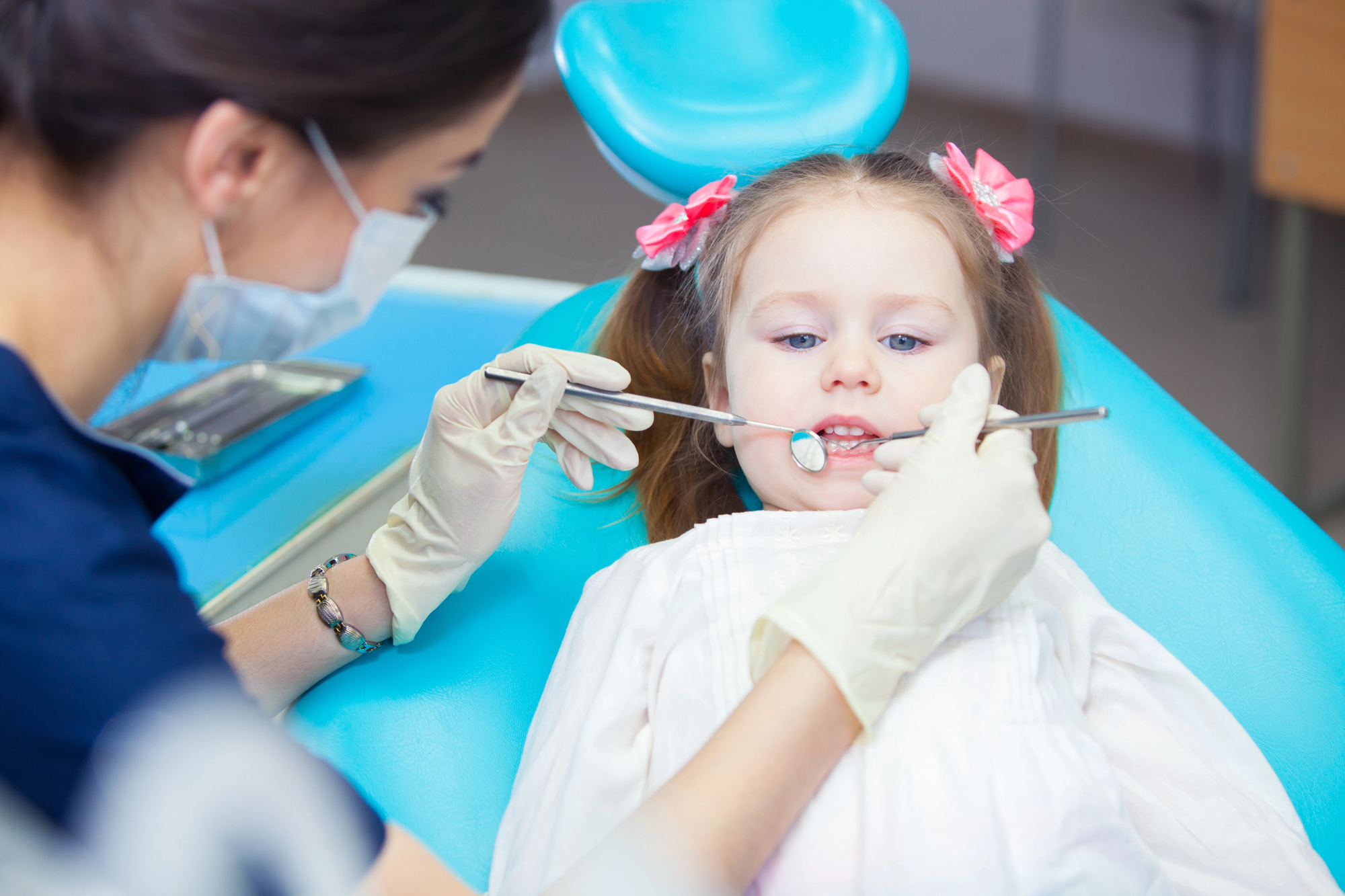
Parents hear the usual reminders about brushing, flossing, and “don’t forget dental checkups.” Those matter, but kids often build stronger, healthier smiles through smaller habits that rarely make the headline list. The right pediatric dentist will tell you that what your child does between visits plays a huge role in how well their teeth grow and how confident they feel. If you’re looking for kids’ dental care in Yorkville, or you already work with a Toronto dentist who focuses on pediatric dentistry, these insights can help you guide your child beyond the basics.
1. Crunch First, Sip Later
Most parents know fruits and vegetables support overall health, but few realize the order and timing can shape a child’s dental hygiene. Hard, crunchy produce like cucumbers, apples, carrots, snap peas, and jicama work almost like nature’s toothbrush. They push the cheeks and tongue away from the teeth and encourage a wider chewing pattern. This creates a natural sweeping motion across the enamel.
Here is the part dentists rarely mention. Having water after crunchy foods works better than sipping during the snack. Drinking water between bites softens saliva and changes the pH in a way that reduces the scrubbing effect. If your child eats a crunchy snack and waits a minute before drinking, the food’s natural fibers can do more of their job.
A Toronto dentist who sees kids daily will often spot the difference between children who snack on soft, packaged foods and those who regularly crunch their way through raw produce. It shows in plaque buildup, gum tone, and even how evenly teeth erupt.
2. Drop the “Only at Mealtimes” Water Rule
Parents often assume water during meals is enough, but children benefit from strategic hydration throughout the day. Saliva works like a built-in defense system. It neutralizes acids, washes away little bits of food particles, and protects enamel. When kids go long stretches without drinking, saliva thickens and loses some of its ability to buffer sugars and acids.
A simple habit can help. Offer small sips of water between daily transitions. Before the school run. After recess. Before homework. After brushing but before bed. These tiny “hydration checkpoints” help keep saliva active and protective. Pediatric dentistry professionals know that kids with these micro-hydration routines typically show fewer early cavities, especially in the back molars, where food sits longer.
3. Chewing Symmetry is a Game Changer
Most people chew on one side without thinking. Kids do it too, especially if they favor a certain texture or if a tooth is a little sensitive. Over time, that creates asymmetrical muscle development. One side of the jaw becomes stronger, and the other stays underused. This matters because jaw muscles help guide how teeth erupt and align.
Ask your child to switch sides every few bites. Make it a playful challenge. “Left side for the next three bites.” This builds awareness and teaches balanced chewing. If a child always avoids one side, that might signal an early dental issue worth checking with your kids dental care provider in Yorkville. Sometimes what looks like a picky eating habit is actually a cavity or mild gum tenderness.
4. Slow Eating Helps Teeth Too
Pediatric dentists often talk about sugar exposure, but they rarely mention pace. When kids eat fast, they expose teeth to a flood of sugars and acids all at once. When they eat slowly, there are more saliva cycles to break down food and reduce the stickiness that clings to enamel.
This matters just as much for “healthy sugars” like dried fruit, yogurt packs, or smoothies. Encourage your child to take short pauses between bites. Not only does it help digestion, but it also protects enamel by giving saliva time to do its job.
5. The Five-Minute Reset After Sweet Drinks
We all know sweet drinks can harm teeth, but here is a trick few parents use. After juice, chocolate milk, or sports drinks, ask your child to wait exactly five minutes before drinking water. That short wait lets saliva dilute the acidity first. If they drink water immediately, it can push the sugary liquid around the mouth again before saliva has a chance to buffer it.
Pediatric dentistry specialists use this trick to help kids who are struggling with early enamel weakening. It is simple, but it works.
6. Encourage “Silent Chews”
The way a child chews affects more than digestion. Loud, open-mouthed chewing often signals weak tongue posture or shallow breathing. Both can affect jaw growth and tooth spacing. “Silent chew time” teaches kids to keep their lips together, chew gently, and breathe through their nose. This trains the mouth muscles to support proper development.
If you ask any experienced Toronto dentist who works with growing smiles, they will tell you that strong oral posture can make orthodontic treatment simpler later on.
7. Don’t Skip Pre-Sleep Water
Most parents avoid letting kids drink after brushing. Here is a better approach. A small sip of water before bed, after brushing, helps keep the mouth from drying out overnight. A dry mouth creates the ideal environment for cavity-causing bacteria. One small sip won’t undo brushing, but it keeps saliva at a healthy consistency while your child sleeps.
If your child wakes up with a dry feeling in their mouth or morning bad breath, this small tweak can help.
8. Make Dental Visits a Strategy, Not a Rescue
Habits matter, but professional care ties everything together. A good pediatric dentist can spot tiny changes before they turn into big issues. If you are looking for kids’ dental care in Yorkville or want a Toronto dentist who understands how everyday routines shape a child’s smile, regular visits give you a roadmap tailored to your child’s habits.
A pediatric dentist will not just clean teeth. They will help you fine-tune routines so your child’s natural habits work in their favor.
Healthy smiles do not come from perfection. They come from simple, repeatable habits backed by expert guidance. Combine these overlooked strategies with consistent pediatric dentistry visits, and your child’s smile will stay strong, bright, and ready for anything.


