Clear Aligners Care: Essential Cleaning Tips You Should Know
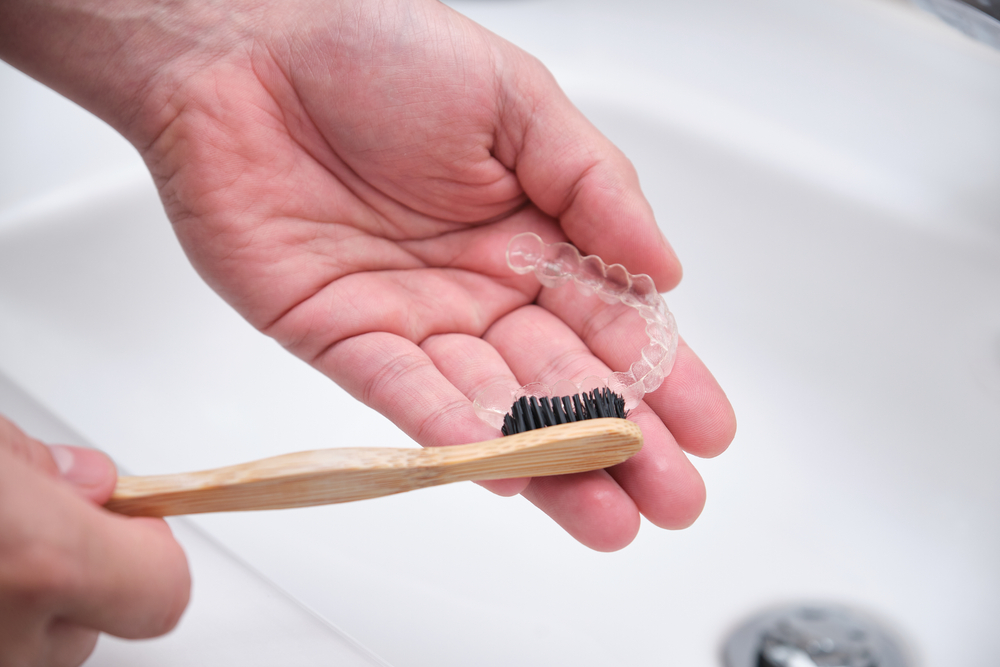
The journey to a confident, healthy smile begins with diligent Invisalign aligner care—keeping your trays clean is essential for both effective treatment and lasting oral health. Because clear aligners sit snugly against teeth for most of the day, they can easily trap bacteria, plaque, and food particles if not properly cared for. Proper cleaning routines not only preserve the clarity of the trays but also support long-term dental health. (Source: Healthline, How to Clean Invisalign: Do’s, Don’ts, and Best Practices, Medically reviewed by Rooz Khosravi, DMD, PhD, MSD, Orthodontics , Public Health — Written by Rachel Nall, MSN, CRNA on October 19, 2020, https://www.healthline.com/health/how-to-clean-invisalign).
Ashraf Dentistry explains, “Invisalign aligners are designed to be discreet, but their transparency also makes them vulnerable to visible buildup if not cleaned correctly. A consistent hygiene routine is essential to prevent discoloration and to maintain the integrity of your orthodontic treatment.”
Cleaning vs. rinsing Invisalign aligners
Rinsing aligners with water may seem sufficient, but it only removes surface debris and does not eliminate bacteria. Cleaning, on the other hand, involves using appropriate tools or solutions to break down plaque and prevent odor. Both steps serve different purposes and should be used together as part of a daily routine.
Ashraf Dentistry highlights, “Rinsing is a quick fix, but it’s not a substitute for proper cleaning. Patients using clear aligners should think of rinsing as a temporary step and cleaning as the real protection against bacterial buildup that can compromise oral health.”
Cleaning accessories
There are several accessories designed to help clean Invisalign trays, including soft-bristled toothbrushes, specialized cleaning crystals, and soaking solutions. These tools are formulated to remove debris without scratching or damaging the aligners. Using the right accessories ensures that the aligners remain clear and effective throughout treatment.
Ashraf Dentistry shares, “Using a soft brush and non-abrasive cleanser is key. Scratches on clear aligners not only make them more noticeable but also create tiny spaces where bacteria can accumulate. Choosing the right tools supports both hygiene and aesthetics during orthodontic care in Toronto.”
Is there any research on the best cleaning practices?
Studies and dental recommendations suggest that gentle cleaning methods are the most effective for maintaining Invisalign trays. Harsh chemicals or abrasive scrubbing can damage the aligners, while consistent, mild cleaning helps preserve their structure. Research also points to the importance of regular cleaning frequency in preventing microbial growth.
Ashraf Dentistry comments, “Evidence consistently supports gentle, consistent cleaning over aggressive methods. Patients often assume stronger products work better, but in reality, they can degrade the material of clear aligners and reduce their effectiveness as an orthodontic solution.”
How often should you clean your aligners?
Aligners should be cleaned at least twice a day, typically during morning and evening oral hygiene routines. Additionally, rinsing them whenever they are removed can help minimize buildup throughout the day. Frequent cleaning ensures that bacteria do not have time to accumulate.
Ashraf Dentistry expresses, “Cleaning aligners should be as routine as brushing your teeth. Since Invisalign trays are worn for most of the day, neglecting regular cleaning can quickly lead to plaque accumulation and odor, which can affect both oral health and the success of orthodontic treatment.”
Any cleansers to avoid?
Certain products, such as toothpaste with abrasive particles, colored soaps, or harsh chemicals like bleach, should be avoided. These can scratch, stain, or weaken the aligners. Using hot water is a frequent error because it can cause the plastic to distort and compromise the aligner’s fit.
Ashraf Dentistry explains, “Many everyday cleaning products are too harsh for clear aligners. Abrasive toothpaste can leave micro-scratches, while hot water can distort the shape of Invisalign trays. Even slight changes in fit can impact how effectively the aligners move teeth.”
Best ways to care for your aligners
Beyond cleaning, proper care includes storing aligners in their case when not in use, avoiding eating or drinking anything other than water while wearing them, and maintaining good overall oral hygiene. Brushing and flossing before reinserting aligners is essential to prevent residue from becoming trapped between the teeth.
Ashraf Dentistry mentions, “Aligner care goes beyond cleaning. Proper storage and mindful habits play a significant role in maintaining their condition. Patients should treat their aligners as an extension of their orthodontic treatment, ensuring they are protected from damage and contamination at all times.”
Maintaining clean Invisalign aligners is essential for both oral health and the success of orthodontic solutions. By understanding the difference between rinsing and cleaning, using the right tools, and following consistent routines, patients can ensure their aligners remain clear, comfortable, and effective. Avoiding harmful cleaning methods and adopting best practices will help ensure a smoother, more hygienic orthodontic journey.
Ashraf Dentistry concludes, “Successful Invisalign treatment relies on discipline and proper care. Clean aligners not only improve comfort and appearance but also contribute to better overall dental outcomes, reinforcing the importance of mindful daily habits in orthodontic care.”


