Dental Hygiene 101: The Right Way to Use Mouthwash
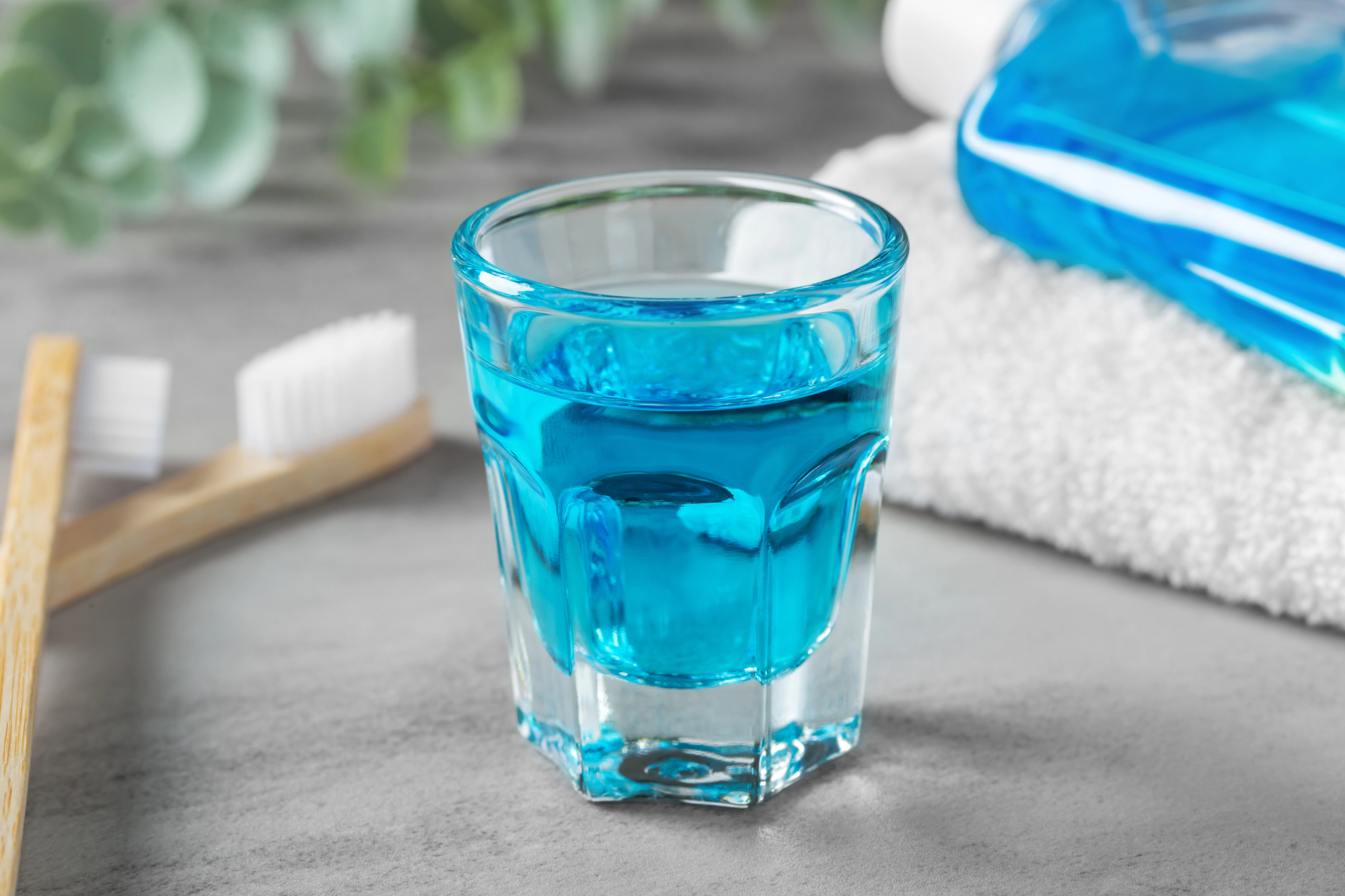
Mouthwash often feels like the final, refreshing step in a daily dental hygiene routine. A quick swish, a minty aftertaste, and it feels like the job is done. But how mouthwash is used matters just as much as whether it’s used at all. According to recent discussions around oral care, including insights highlighted in The Skimm, many people unknowingly reduce the benefits of mouthwash through simple habits. From pouring it straight from the bottle to using too much or too little, technique plays a bigger role than most realize.
Ashraf Dentistry shares, “Mouthwash should support your dental hygiene routine, not replace brushing and flossing. When used correctly, it complements dental procedures and dental treatments by helping maintain a healthier oral environment between visits.” (Source: The Skimm, Guilty, but: Dentists Say That Swishing Straight From the Mouthwash Bottle Is Among the Germiest Oral Hygiene Habits, Ashley Broadwater, August 26, 2023, https://www.theskimm.com/health/oral-care/does-mouthwash-kill-germs).
What happens when you swish mouthwash straight from the bottle
Pouring mouthwash directly from the bottle into your mouth is common, but it’s not always ideal. This habit can affect both the product itself and its effectiveness for your teeth and gums.
Ashraf Dentistry comments, “Small details in daily routines can have a lasting impact. Mouthwash is designed to be used thoughtfully, not rushed, and how it’s handled before it reaches your mouth makes a difference.”
Germs are reintroduced
When a bottle comes into contact with lips or skin, bacteria from the mouth can travel back into the bottle. Over time, this can compromise the cleanliness of the remaining mouthwash.
Ashraf Dentistry highlights, “Dental hygiene is about reducing bacterial exposure wherever possible. Reintroducing germs into a bottle creates an unnecessary cycle that works against the purpose of using mouthwash in the first place.”
The cleaning properties are inhibited
Mouthwash formulas are carefully balanced to deliver specific benefits, from reducing bacteria to strengthening enamel. Contaminating the bottle or diluting the product can reduce its effectiveness.
Ashraf Dentistry explains, “Think of mouthwash as a supporting player in dental treatments. When its formula is altered through improper use, it may not deliver the intended benefits that help protect teeth and gums day to day.”
You may not get enough mouthwash
Eyeballing the amount instead of using the recommended measurement can lead to inconsistent results. Too little mouthwash may not fully coat the mouth, limiting its reach.
Ashraf Dentistry notes, “Consistency is key in dental hygiene. Using the right amount ensures the mouthwash can reach areas brushing may miss, especially along the gumline and between teeth.”
More tips on mouthwash and dental care
Beyond proper pouring and measuring, timing also matters. Mouthwash is typically most effective when used after brushing and flossing, allowing it to reach clean surfaces. It’s also important not to rinse with water immediately afterward, as this can wash away beneficial ingredients.
Ashraf Dentistry shares, “Daily habits form the foundation that supports dental procedures over time. Simple adjustments, like waiting before rinsing with water, can help mouthwash do its job more effectively.”
Mouthwashes with whitening variants help remove surface stains and restore teeth to a lighter shade
Whitening mouthwashes are designed to target surface stains caused by coffee, tea, wine, and certain foods. While they don’t replace professional whitening dental treatments, they can help maintain brightness.
Ashraf Dentistry comments, “Lifestyle choices often show up on teeth first. Whitening mouthwashes can be a practical option for people looking to keep their smile looking refreshed as part of their everyday dental hygiene routine.”
Anti-tartar variants reduce the formation of plaque and tartar, which can prevent or contain periodontal diseases
Anti-tartar mouthwashes work by slowing the buildup of plaque before it hardens into tartar. This can be particularly beneficial for people who tend to experience buildup even when they brush consistently.
Ashraf Dentistry highlights, “Preventive care at home plays a meaningful role in supporting long-term oral health. Anti-tartar mouthwashes align well with dental procedures aimed at managing plaque and maintaining gum health.”
Anti-cavity mouthwashes usually have fluoride, which can prevent tooth decay and strengthen enamel
Fluoride mouthwash strengthens tooth enamel, helping it better withstand acids produced by bacteria and by everyday foods. They’re often recommended for people who may be more prone to cavities.
Ashraf Dentistry explains, “Fluoride remains a cornerstone in dental hygiene. When incorporated into daily routines, anti-cavity mouthwashes can support enamel strength and complement other dental treatments focused on decay prevention.”
Dry-mouth variants usually have moisturizing ingredients to alleviate dry mouth
Dry mouth can be caused by medicines, stress, dehydration, or lifestyle factors. Specialized mouthwashes help soothe tissues and stimulate moisture without the harshness of alcohol-based formulas.
Ashraf Dentistry shares, “Comfort is an important part of oral health. Dry-mouth mouthwashes can improve quality of life while also supporting dental hygiene by creating a healthier environment inside the mouth.”
Ashraf Dentistry adds, “Using mouthwash effectively comes down to intention, timing, and understanding your daily habits. Mouthwash works best after brushing and flossing, when teeth are already clean, and the rinse can reach areas that brushing may miss. Pour the recommended amount into the cap instead of directly from the bottle to help keep the solution clean, especially in shared spaces. Swish for a full 30 to 60 seconds, moving the liquid between teeth and along the gumline rather than rushing through the step. Once finished, spit it out and avoid rinsing with water, eating, or drinking for a minimum of 30 minutes so the ingredients can continue working. It also helps to choose a mouthwash that matches your lifestyle, whether that means managing dry mouth from stress or hydration habits, supporting enamel if cavities have been a concern, or maintaining freshness throughout the day. When used with purpose and consistency, mouthwash becomes a meaningful part of daily dental hygiene and supports the long-term results of dental procedures and dental treatments, instead of feeling like an optional extra.”
Mouthwash is more than a quick rinse. When used correctly and chosen thoughtfully, it becomes a valuable addition to a well-rounded dental hygiene routine. From preventing cavities to supporting gum health and freshening breath, the right mouthwash can enhance the results of daily care and professional dental procedures alike.
Ashraf Dentistry concludes, “Oral care is a daily practice shaped by small, intentional choices. Using mouthwash properly reflects a lifestyle that values long-term oral health, balance, and consistency alongside modern dental treatments.”


