Dental Implants In Waterloo: Why Timing Is About Biology
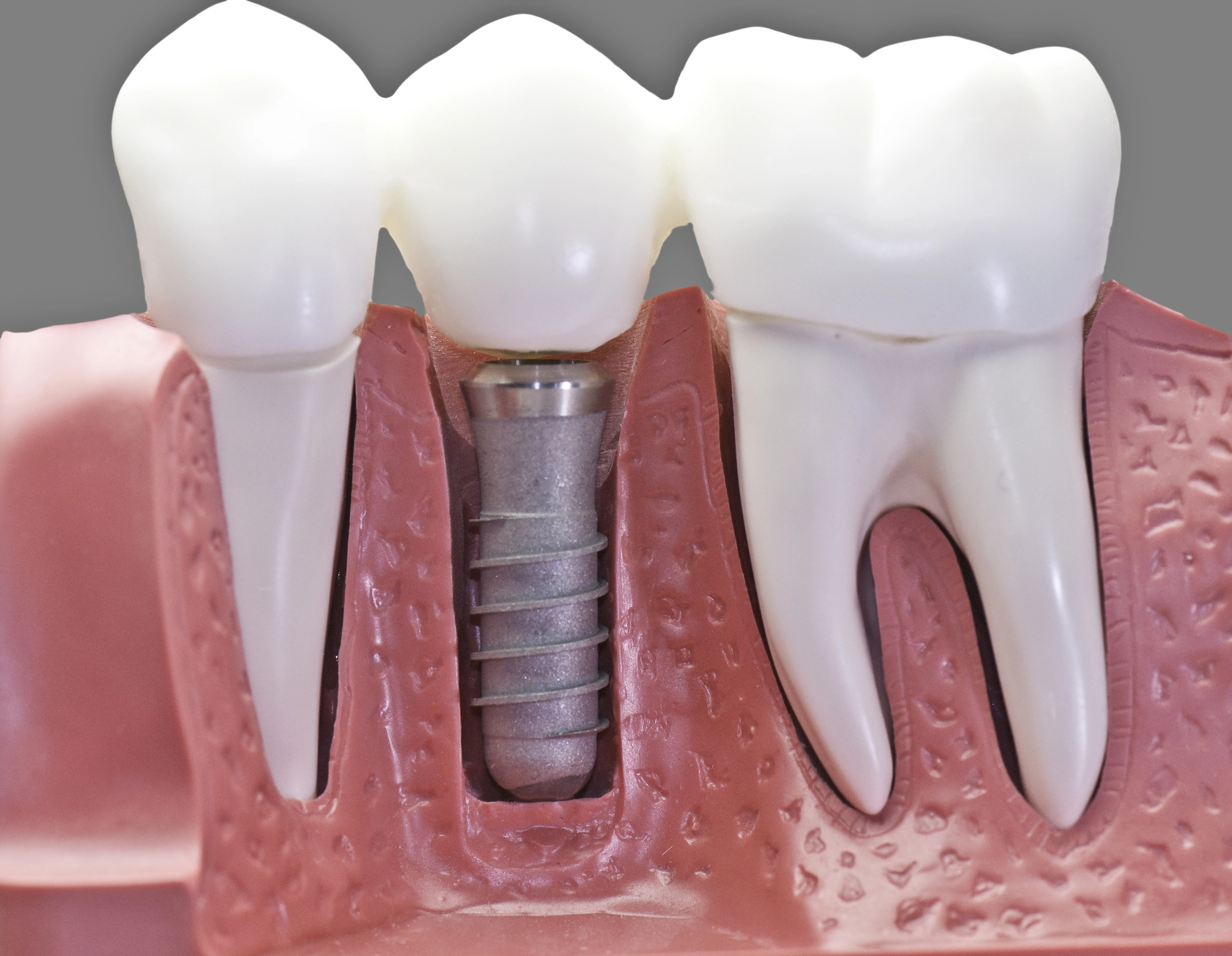
When people hear the words dental implants, they often assume it’s a race against the clock. Lose a tooth, replace it fast. Wait too long, and you’ve missed your chance. But implant timing doesn’t really work that way.
The truth is quieter and more interesting. Implant timing is biological, not urgent or calendar-based. It’s about how your body responds to change over time, often in ways you don’t notice day to day.
Understanding that difference can change how you think about dental care in Waterloo and help you make choices that support your long-term comfort and confidence.
What Happens After a Tooth Is Lost
Teeth do more than help you chew and smile. They stimulate the jawbone every time you bite down. When a tooth is removed or lost, that stimulation stops.
Slowly, the bone beneath the missing tooth begins to change. It doesn’t disappear overnight. It reshapes itself because the body no longer sees a reason to maintain the same structure. Gums can shift, too, as they adjust to the new reality.
This process is subtle. You won’t wake up one morning and feel different. But over months and years, those small changes add up.
That’s why dental implants in Waterloo aren’t about rushing. They’re about understanding where your bone and gums are now, and how they’re likely to change moving forward.
Your Bite Adapts Before You Realize It
One of the most overlooked parts of tooth loss is how the rest of your mouth compensates.
Without meaning to, people start chewing more on one side. Certain foods get avoided. Jaw muscles work differently. The bite shifts ever so slightly, then a bit more.
These adaptations feel normal because they happen gradually. But they affect how forces move through your mouth, which matters when planning an implant.
Implants don’t just fill a space. They integrate with existing bone and become part of how your bite functions. The more balanced that environment is, the simpler that integration tends to be.
Earlier Isn’t About Speed, It’s About Structure
When implants are placed earlier after tooth loss, they often work with more of your natural bone and gum structure. That can mean fewer preparatory steps and a more straightforward plan.
This doesn’t mean everyone should act immediately. Healing, health, finances, and lifestyle all play a role. But early conversations give you options.
Think of it like home maintenance. You don’t fix the roof during the storm. You plan for it when the weather is calm, even if the repair happens later.
That’s why consultations with Waterloo oral surgery teams are useful even when you’re not ready to move forward right away.
Later Placement Can Still Work, With the Right Planning
Waiting doesn’t automatically disqualify you from implants. Many people successfully receive implants years after losing a tooth.
What changes is the preparation. Bone levels and gum shape influence how an implant is placed and what kind of support might be needed. Sometimes that means additional steps to rebuild or reinforce the area.
This isn’t a problem. It’s simply part of adapting the plan to your biology as it exists today.
The key is understanding that timing affects how an implant is placed, not whether it’s possible at all.
Health, Habits, and Anatomy All Matter
No two mouths age the same way. Bone density, gum health, medical conditions, and habits like grinding or smoking all influence implant timing.
That’s why online timelines can be misleading. Your situation isn’t average. It’s personal.
Regular dental care in Waterloo allows these factors to be monitored over time. Small changes are easier to address when they’re noticed early, rather than after they’ve compounded.
Even visits prompted by something unexpected, like seeing an emergency dentist in Waterloo for a damaged or painful tooth, can open the door to conversations about future implant planning.
Timing Is About Comfort and Longevity
Implants aren’t just about filling space. They’re about how your mouth feels when you eat, speak, and go about your day.
Bone and gum health influence stability. Stability affects comfort. Comfort affects how naturally the implant integrates into your life.
When timing is considered thoughtfully, implants tend to blend in better. They feel less like a replacement and more like a continuation of how your mouth already works.
The Value of Talking Early, Acting When Ready
One of the biggest misconceptions is that talking about implants means committing to them. It doesn’t.
Early conversations are about understanding your options, not forcing a decision. They let you plan rather than react.
That mindset shift matters. It replaces urgency with clarity.
Whether you’re missing a tooth now, expect one to be removed, or simply want to understand what the future might look like, these discussions support informed, confident choices.
A Different Way to Think About Timing
Dental implants aren’t about beating the clock. They’re about working with your body’s natural rhythm.
When timing is understood as biological rather than urgent, the pressure fades. What’s left is a thoughtful approach to long-term oral health that fits into real life.
And that’s where the real value of dental care in Waterloo begins: not in rushing decisions, but in making the right ones at the right time, for you.


