Dental Treatments That Reverse the Look of Stress-Related Wear & Tear
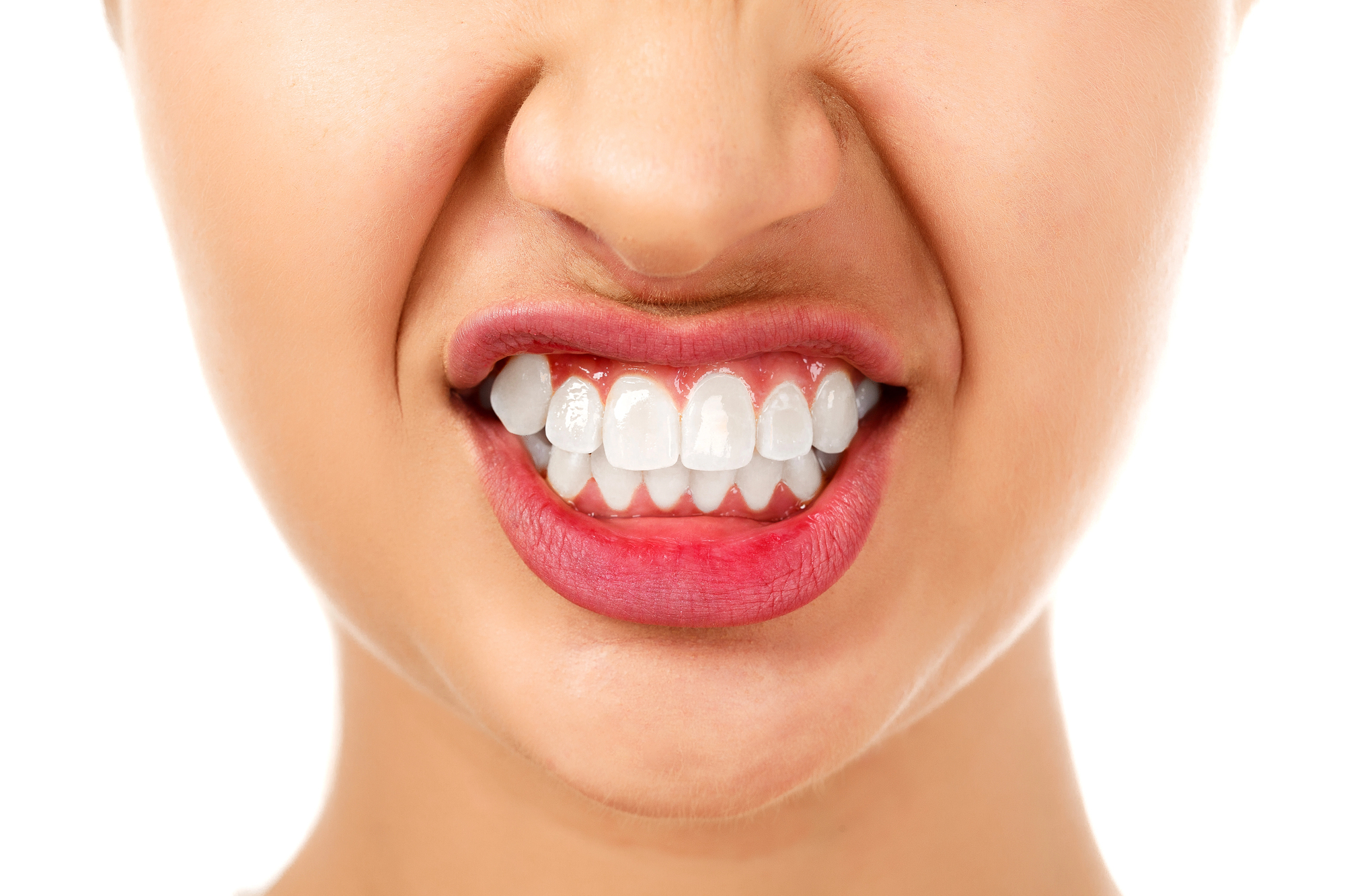
Stress has a way of showing up quietly. Sometimes it’s in your shoulders. Sometimes it’s in your sleep. And very often, it shows up in your teeth.
Clenching, grinding, and uneven biting forces can slowly change the way teeth look and feel. Edges flatten. Enamel thins. Small chips appear where smooth curves used to be. Many people don’t notice until a mirror, a photo, or a sudden sensitivity makes them pause.
The reassuring part is that modern dental treatments aren’t limited to quick fixes — they’re designed to restore structure, function, and long-term stability. They can restore balance, comfort, and appearance at the same time. And they often start with understanding what stress has been doing to your bite.
How Stress Leaves Its Mark on Teeth
Stress-related wear tends to follow a pattern. Teeth don’t just “wear down” randomly. They respond to repeated pressure.
Grinding, especially at night, creates friction that erodes enamel. Bite trauma happens when certain teeth absorb more force than they’re designed to handle. Over time, this pressure can shorten teeth, create hairline cracks, and change how the upper and lower jaws meet.
Eroded edges are one of the most common signs. Teeth may look uneven, translucent at the tips, or flatter than they used to be. Enamel thickness decreases, which can make teeth look dull or slightly yellow as the underlying dentin shows through.
These changes aren’t only cosmetic. Once enamel is worn, teeth become more vulnerable to sensitivity, fractures, and further breakdown.
Why Ignoring Wear Makes It Worse
Stress-related tooth damage rarely stays the same. It tends to accelerate.
As enamel thins, teeth lose their natural ability to absorb shock. That means grinding forces become even harder on the remaining structure. A minor chip can turn into a crack. A flattened edge can alter the bite, shifting pressure onto neighboring teeth.
This is why early dental treatments focused on tooth repair are often simpler and more conservative than waiting until damage is advanced.
Dental Treatments That Rebuild What Stress Has Taken Away
Today’s approach to dental treatments for stress-related wear is less about drilling and more about restoring harmony between teeth, muscles, and bite.
1. Targeted Tooth Repair for Worn Edges
Dental bonding is often used to rebuild eroded or chipped edges. A tooth-colored material is shaped directly onto the tooth to restore length, contour, and symmetry.
This type of tooth repair can soften a tired-looking smile and protect exposed enamel without removing healthy tooth structure. It’s also adjustable, which matters when bite forces are part of the problem.
2. Veneers for Advanced Enamel Loss
When enamel thickness is significantly reduced, veneers may be recommended. These thin restorations restore the natural shape and brightness of teeth, protecting weakened enamel. Veneers can be especially effective for people whose grinding has shortened their teeth or made them appear aged beyond their years.
3. Crowns for Bite Trauma and Cracks
Teeth that have absorbed too much force may develop fractures that aren’t always visible. Crowns are sometimes used to reinforce these teeth, redistributing pressure and preventing further damage.
In cases of bite trauma, crowns can also help reestablish proper alignment, reducing stress on surrounding teeth.
4. Night Guards as a Preventive Tool
While not a repair on their own, night guards play a key role in protecting dental work. They act as a buffer between upper and lower teeth, limiting the damage caused by grinding during sleep.
When paired with restorative dental treatments, night guards help preserve results and slow future wear.
The Bigger Picture: Treating the Bite, Not Just the Tooth
One of the most overlooked aspects of stress-related wear is how the bite functions as a system.
If restorations are placed without addressing uneven pressure, new damage can occur. That’s why many Yorkville dentist practices focus on how teeth come together, not just how they look individually.
Small adjustments to the bite can reduce muscle strain, protect enamel, and prolong the lifespan of restorations. This holistic approach often leads to improvements in comfort as well as appearance.
A Fresh Perspective on “Fixing” Worn Teeth
Reversing the look of stress-related wear isn’t about chasing perfection. It’s about restoring what was lost and preventing further breakdown.
Dental treatments today allow for subtle, natural-looking tooth repair that respects how your mouth actually works. Teeth don’t need to look brand new to look healthy. They need balance, protection, and support.
If you’ve noticed changes in your smile, sensitivity that wasn’t there before, or edges that seem to be disappearing, it may be time to explore your options. A Yorkville dentist can help determine whether grinding, bite trauma, or enamel erosion is at play and recommend dental treatments that address both the cause and the effect.
Stress may be part of life, but permanent damage to your teeth doesn’t have to be. Connect with Ashraf Dentistry to explore dental treatments that protect worn enamel, support tooth repair, and help your smile feel comfortable and balanced again.


