How to Support Your Orthodontic Treatment with Strong Oral Hygiene Habits
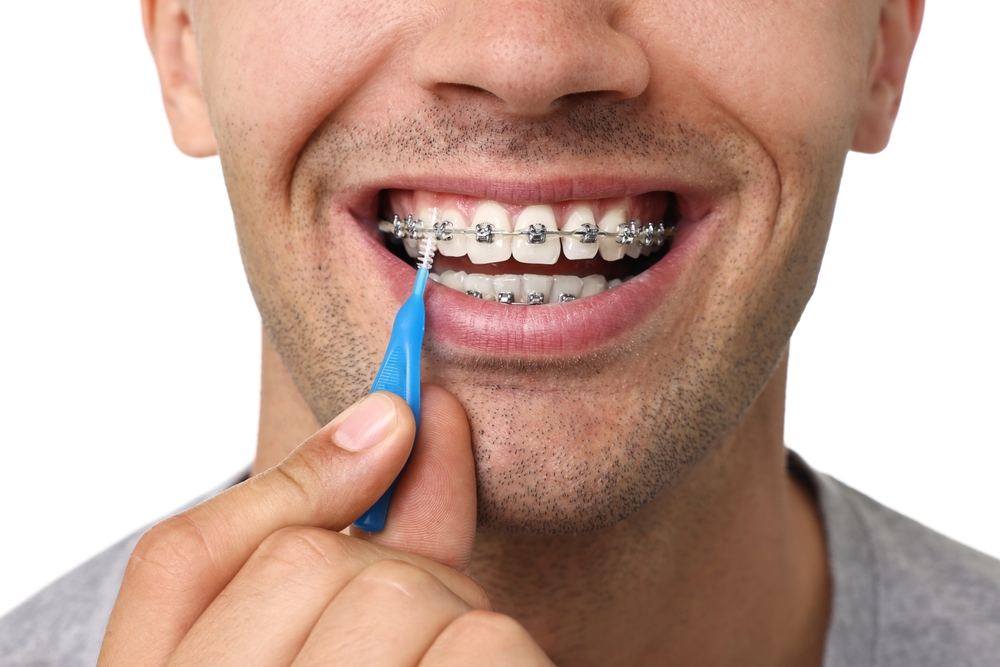
Braces represent a highly effective orthodontic treatment for correcting misaligned teeth and enhancing overall oral function. However, they also introduce new challenges when it comes to maintaining proper oral hygiene. Food particles can easily become trapped, and cleaning around brackets and wires requires extra attention. Without consistent care, individuals undergoing orthodontic care in Toronto may face a range of preventable oral health issues. (Source: Oral-B, Importance of Good Oral Hygiene for People with Braces, reviewed and approved by Francesca Dusio, https://www.oralb.ca/en-ca/oral-health/life-stages/braces/common-braces-problems ).
Ashraf Dentistry explains, “Once braces are placed, your brushing routine can’t stay the same. You’re now cleaning around tiny ledges and edges where food settles easily. Patients who do well are the ones who slow down, angle their brush properly, and treat cleaning as a step-by-step process rather than a quick habit.”
What Problems Can Braces Cause?
While braces are designed to improve dental alignment, they can also contribute to several oral health concerns if not properly maintained. These include plaque buildup, gum inflammation, enamel damage, and persistent bad breath. Each issue stems from the difficulty of cleaning around orthodontic appliances.
Ashraf Dentistry shares, “What surprises most people is how quickly small hygiene gaps turn into bigger problems with braces. Missing just a few areas consistently can lead to visible changes in the gums or enamel. Orthodontic solutions rely just as much on daily care as they do on adjustments in the chair.”
Demineralization
Demineralization appears as white spots on the teeth and occurs when plaque acids strip essential minerals from the enamel. This is a common issue for individuals with braces, especially when brushing is inconsistent or ineffective around brackets.
Ashraf Dentistry highlights, “Those white spots tend to form right around the brackets, and once they appear, they don’t simply brush away. It’s often a sign that plaque has been sitting in the same place repeatedly. Paying attention to those exact spots during brushing, especially along the edges of brackets, makes a noticeable difference over time.”
Gingivitis
Gingivitis is a common gum inflammation that often arises during orthodontic treatment, typically resulting from plaque buildup along the gumline. With braces, swollen or bleeding gums can become more common due to the added difficulty of cleaning thoroughly.
Ashraf Dentistry comments, “If your gums bleed while brushing with braces, it’s usually not a reason to stop; it’s a sign to clean more carefully. The key is getting right along the gumline, not avoiding it. Healthier gums respond quickly when plaque is removed consistently, even during orthodontic treatment.”
Sensitivity
Tooth sensitivity is another concern for individuals with braces. It may occur due to pressure from adjustments or due to enamel weakening. This can make eating certain foods uncomfortable.
Ashraf Dentistry explains, “There’s a difference between pressure from tooth movement and sensitivity from enamel stress. If certain foods suddenly feel sharp or uncomfortable, it’s worth adjusting both your diet and your oral care products. Small changes, like using lukewarm water or switching toothpaste, can make daily routines much more manageable.”
Plaque
Braces create more areas for plaque to hide, especially around brackets and wires, making thorough cleaning essential.
Ashraf Dentistry mentions, “With braces, plaque doesn’t just sit on the surface; it builds around the edges of brackets and underneath wires. That’s why technique matters more than force. Gentle, targeted brushing combined with tools that reach between teeth can clean areas that a regular toothbrush simply can’t access.”
Tartar
Tartar buildup can lead to more serious gum issues and complicate orthodontic treatment.
Ashraf Dentistry expresses, “Once plaque hardens into tartar, it tends to lock itself into places that are already difficult to reach with braces. That buildup can block proper cleaning and even affect how brackets sit against the teeth. Staying ahead of it with consistent care and timely cleanings helps keep orthodontic treatment moving as planned.”
Bad Breath
Bad breath is often linked to bacterial buildup in the mouth. With braces, trapped food particles and plaque can contribute to persistent odors if oral hygiene is not maintained.
Ashraf Dentistry shares, “Bad breath with braces usually comes down to areas being missed during cleaning. It’s often the spots you don’t see easily, like behind wires or between teeth. When those areas are cleaned properly, breath tends to improve quickly without needing anything complicated.”
Braces are a valuable investment in long-term dental health, but they require greater care and attention. From preventing demineralization to managing plaque and gum health, each aspect of oral hygiene contributes to successful outcomes. Individuals undergoing orthodontic care in Toronto should remain proactive and consistent in their routines.
Ashraf Dentistry concludes, “Orthodontic treatment works best when daily habits support it. Taking a few extra minutes to clean thoroughly, paying attention to small changes, and staying consistent can make the entire experience smoother and the final results much more rewarding.”


