Inside Tartar Build-up: A Waterloo Dentist’s Guide
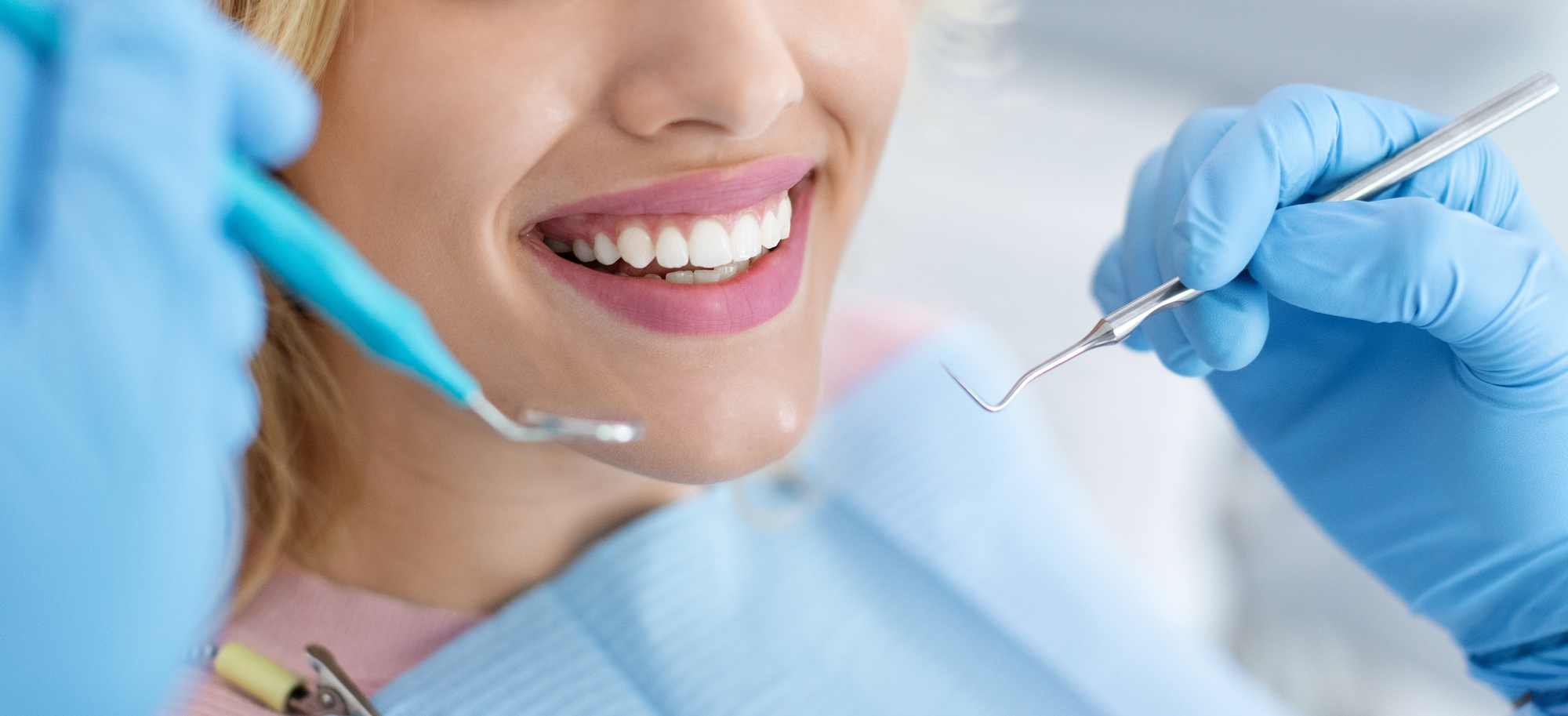
Tartar build-up on teeth is a common but often underestimated dental issue. When not addressed, tartar can lead to more serious oral health problems. Understanding how tartar forms—and more importantly, how to prevent it—can significantly improve long-term oral health. For those seeking dental care in Waterloo, it’s vital to stay informed about proactive dental habits that go beyond the basics. (Source: Colgate, How To Prevent Tartar Build-up On Teeth, https://www.colgate.com/en-gb/oral-health/plaque-and-tartar/how-to-prevent-calcium-buildup-on-teeth ).
Ashraf Dentistry comments, “Tartar is more than just an aesthetic issue. Its porous surface becomes a breeding ground for bacteria that release toxins, which can inflame and damage gum tissue—even if you’re brushing regularly. Most people don’t realize that once tartar forms, no amount of detailed brushing or flossing will remove it. That’s why prevention is the key.”
What Are Tartar Deposits on My Teeth?
Tartar—also known as dental calculus—develops when soft plaque isn’t adequately cleared from the teeth and gradually mineralizes into a hardened layer. It appears as a yellow or brown deposit, often near the gumline or between teeth. While it’s easy to ignore in the early stages, tartar can lead to gum inflammation and cavities if left untreated.
Ashraf Dentistry explains, “Tartar isn’t just hardened plaque—it’s a sign that your mouth’s natural balance has been disrupted. Saliva, which normally helps wash away debris, can’t penetrate tartar once it hardens. Tartar can also trap food particles and sugar near the gumline, extending the time acid-producing bacteria are in contact with enamel and soft tissue. This continuous exposure increases the risk of chronic gum conditions.”
How Does Tartar Form?
Tartar begins with plaque—an invisible, sticky film made of food particles, bacteria, and saliva. If plaque isn’t removed within 24 to 72 hours, minerals in your saliva cause it to harden into tartar. It typically accumulates in areas that are hard to clean, such as behind the lower front teeth or along the gumline.
Ashraf Dentistry shares, “Few people realize that individual saliva composition plays a big role in tartar formation. People with higher levels of calcium and phosphate in their saliva are more prone to rapid tartar build-up. It’s also why two people with identical brushing routines can have drastically different outcomes. Understanding your unique oral environment is essential for customizing your dental hygiene plan.”
Removing Tartar Deposits
Once tartar forms, it cannot be removed by brushing or flossing alone. Only professional dental tools can remove it safely. Regular cleanings help prevent the progression of tartar into more severe gum issues like periodontitis.
Ashraf Dentistry highlights, “While ultrasonic scalers and manual tools are effective, what often gets overlooked is how tartar removal benefits systemic health. Tartar acts as a bacterial reservoir—removing it doesn’t just protect teeth, it lowers the inflammatory burden on the entire body. Research shows connections between chronic gum inflammation and conditions like heart disease and diabetes. Tartar removal, therefore, is not just cosmetic or even localized—it’s a vital health intervention.”
Preventing Tartar Build-up
The best defense against tartar is a consistent oral hygiene routine that includes brushing twice a day with fluoride toothpaste, daily flossing, and using antibacterial mouthwash. Regular dental visits for cleanings are essential. Diet also plays a crucial role; minimizing sugary foods and increasing water intake can help.
Ashraf Dentistry notes, “Brushing and flossing are the foundation, but one often missed opportunity lies in the timing and technique. Brushing before breakfast instead of after can neutralize overnight bacterial activity and reduce acid attacks when you eat. In terms of diet, fibrous foods like raw vegetables stimulate saliva production and naturally help clean tooth surfaces. Also, chewing sugar-free gum after meals can significantly reduce post-meal plaque build-up by enhancing salivary flow.”
Tartar build-up is preventable with mindful, proactive dental care. It’s not just about keeping your smile clean—it’s about protecting your gums, teeth, and long-term health. For those living in the region and searching for dentistry in Waterloo, staying educated and consistent with dental care is key.
Ashraf Dentistry expresses, “Preventing tartar is about awareness, not perfection. Even the most disciplined routines can fall short without the right knowledge. Understanding how your saliva, habits, and diet interact gives you the proper tools to stay ahead of tartar. Think of your mouth as a living ecosystem—it needs constant balance, not just occasional cleanings.”
Final Word
Whether you’re visiting your Waterloo dentist regularly or managing your oral care at home, preventing tartar comes down to more than brushing twice a day. It’s about understanding the biology behind your mouth, making informed decisions, and recognizing that every small habit contributes to a healthier oral environment.
Ashraf Dentistry concludes, “We encourage people to stop thinking of oral hygiene as a checklist and start viewing it as part of their overall wellness strategy. Tartar control is a reflection of your lifestyle, habits, and awareness—not just your toothbrush.”


