Life After Braces: What Orthodontic Solutions Mean for Long-Term Alignment
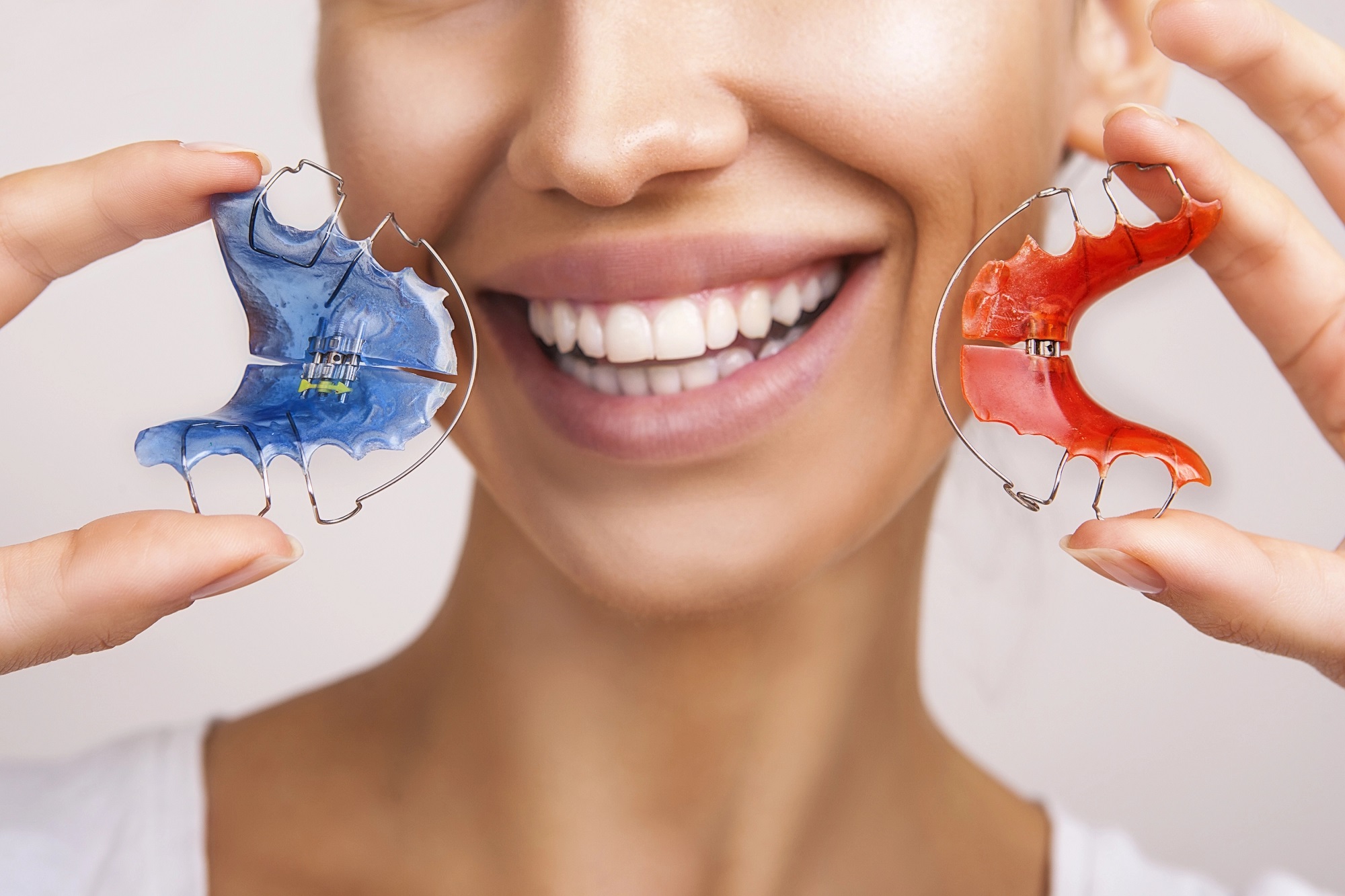
Orthodontic treatment is often seen as the finish line for a straighter smile, but the real question many people ask afterward is whether results truly last. The reality is more nuanced. Teeth are living structures influenced by muscles, habits, and time. Speaking to this concern, Ashraf Dentistry explains, “Orthodontic treatment doesn’t freeze teeth in place forever. What it does is guide them into a healthier position, and from there, stability depends on how the mouth adapts and how consistently post-treatment guidance is followed.” This perspective is especially relevant for patients seeking orthodontic care in Toronto, where long-term outcomes matter just as much as the initial transformation. (Source: American Association of Orthodontists, Will My Teeth Keep Moving Post Treatment?, October 14, 2025, https://aaoinfo.org/whats-trending/will-my-teeth-stay-where-my-orthodontist-moved-them/).
Why Do Teeth Move?
Even after braces or aligners are removed, teeth remain responsive to pressure. Natural forces such as chewing, tongue movement, clenching, and even sleeping posture play a role. Ashraf Dentistry comments, “Teeth move because the bone and ligaments around them are dynamic. They’re designed to respond to pressure, which is why orthodontic solutions work in the first place.” They also note that misaligned teeth corrected through orthodontic treatment may try to return to their original position, a process known as relapse. Age, genetics, and unresolved habits like grinding can all contribute, making post-treatment awareness essential.
How to Prevent Tooth Movement After Orthodontic Treatment
Retention is the cornerstone of lasting results. While treatment aligns the teeth, retention helps the surrounding structures adapt. Ashraf Dentistry highlights, “The period after orthodontic treatment is when the bone remodels and stabilizes. That phase is critical. Without support, teeth may gradually drift.” They explain that consistent retainer use allows the mouth to settle into its new alignment. Over time, this reduces the risk of misaligned teeth returning. Good oral habits, regular monitoring, and respecting the biology of tooth movement all contribute to stability, especially for adults who have completed orthodontic care in Toronto later in life.
What To Do if Your Retainer Is Lost or Doesn’t Fit
Life happens. Retainers get misplaced, damaged, or begin to feel tight. Ashraf Dentistry shares, “A retainer that doesn’t fit is often an early sign that teeth have started to shift. Ignoring that signal can make the situation more complex.” They emphasize acting quickly rather than waiting. Even short gaps without retention can allow subtle movement. Addressing the issue early can often prevent the need for more extensive orthodontic solutions later. This insight reinforces the idea that post-treatment care is an ongoing responsibility, not an afterthought.
What to Do If Your Teeth Have Moved A LOT After Braces or Aligners
Sometimes changes are more noticeable. Teeth may crowd, gaps may reopen, or the bite may feel off. Ashraf Dentistry explains, “Significant movement usually means the forces acting on the teeth have outweighed the support holding them in place. That doesn’t mean treatment failed; it means conditions changed.” They stress that modern orthodontic treatment offers flexible approaches to address relapse. The key is understanding why the movement occurred, whether due to growth changes, missed retention, or functional habits. With the right plan, even pronounced shifts can often be managed effectively.
Teeth are not static, and orthodontic treatment is not a one-time event with permanent autopilot results. Long-term success depends on understanding how and why teeth move and responding accordingly. Ashraf Dentistry expresses, “A straight smile is a relationship between biology and behavior. When both are respected, results can be remarkably durable.” For those navigating orthodontic care in Toronto, this insight serves as a reminder that maintaining alignment is a shared process over time. With awareness, consistency, and informed decisions, the results of orthodontic solutions can remain both functional and stable well beyond the end of treatment.


