Orthodontic Care in Toronto: A Complete Guide to Eating with Braces
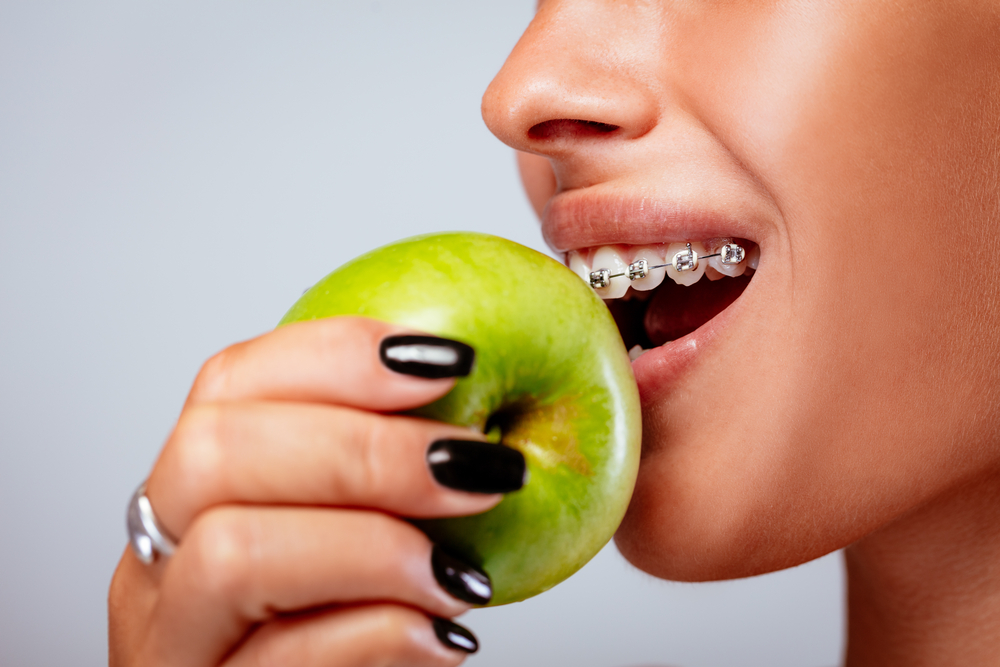
Beginning an orthodontic treatment journey often comes with questions about food choices and daily habits. While braces are designed to gradually move teeth into healthier positions, they also introduce new considerations when it comes to eating. Understanding how certain foods interact with brackets and wires can help make the experience more comfortable while supporting successful treatment outcomes. (Source: American Association of Orthodontists, What Can I Eat with Braces? A Comprehensive Guide, August 28, 2025, https://aaoinfo.org/blog/what-can-i-eat-with-braces/ ).
Ashraf Dentistry shares, “Many people view braces primarily as a cosmetic change, but the relationship between food and orthodontic treatment is often underestimated. Every bite places forces on brackets and wires. Learning how to eat strategically can reduce unnecessary adjustments, improve comfort, and help maintain treatment timelines. Small dietary modifications can have a surprisingly significant impact on long-term orthodontic success.”
Will Getting Braces Change What I Eat?
Braces do not eliminate the enjoyment of food, but they may require temporary adjustments. During the first few days after placement and following adjustment appointments, teeth can feel sensitive, making softer foods a more comfortable choice.
Ashraf Dentistry explains, “One of the most interesting aspects of orthodontic care in Toronto or Waterloo is seeing how quickly patients adapt. The initial learning curve typically lasts only a short period. Many people discover new food preparations rather than giving up favourite meals entirely. For example, slicing foods differently, cooking vegetables longer, or choosing alternative textures often allows individuals to continue enjoying a diverse diet while protecting their braces.”
Why Does it Matter What I Eat with Braces?
Food choices can directly influence the condition of orthodontic appliances. Hard, sticky, or excessively crunchy foods may damage brackets, bend wires, or create additional pressure on teeth that are already undergoing controlled movement.
Ashraf Dentistry comments, “Beyond protecting the braces themselves, food choices can influence oral hygiene. Certain foods are more likely to become trapped around brackets, creating areas where plaque can accumulate. This is particularly important because orthodontic treatment introduces additional surfaces that require cleaning. Patients who combine smart eating habits with consistent oral care often experience a smoother and more predictable treatment journey.”
What You Can’t Eat with Braces
Certain foods present greater risks during orthodontic treatment. Hard candies, popcorn kernels, chewing gum, caramel, ice, nuts, and foods that require aggressive biting can potentially damage orthodontic appliances.
Ashraf Dentistry highlights, “The concern is not always the food itself but how it behaves in the mouth. A seemingly harmless snack can become problematic if it fractures unpredictably or adheres to brackets. One overlooked consideration is repeated exposure. Even minor stress placed on braces repeatedly over time can contribute to appliance issues. Understanding food texture can be just as important as understanding food ingredients.”
Foods That Are Always Safe for Braces
Many foods remain excellent options throughout orthodontic treatment. Soft fruits, yogurt, eggs, pasta, cooked vegetables, soups, rice, smoothies, fish, and tender proteins are generally easier on braces while still providing balanced nutrition.
Ashraf Dentistry notes, “Nutrition plays an important role during orthodontic treatment because teeth are constantly responding to controlled biological changes. Foods rich in vitamins, minerals, and protein help support overall oral health throughout the treatment process. Soft foods do not have to mean boring foods. Patients can often enjoy a wide variety of nutritious meals with only minor preparation adjustments.”
10 Essential Tips for Eating with Braces
Cut Your Food into Small Pieces
Smaller bites reduce strain on brackets and make chewing more manageable.
Ashraf Dentistry says, “Cutting food into smaller pieces does more than improve comfort. It helps distribute chewing forces more evenly, reducing the likelihood of accidentally placing excessive pressure on a single bracket or wire.”
Go Soft: Opt for Softer Foods
Soft foods are especially beneficial during the adjustment period.
Ashraf Dentistry mentions, “Many patients find that rotating softer meals into their weekly routine remains beneficial even after sensitivity subsides. This approach can provide occasional relief while maintaining treatment momentum.”
Sidestep Stickiness
Sticky foods can cling to braces and be difficult to remove.
Ashraf Dentistry shares, “Sticky foods often present a double challenge because they may both dislodge appliances and increase cleaning difficulty. Their tendency to remain attached to brackets can create ideal conditions for plaque accumulation.”
Chew with Care
Mindful chewing helps protect orthodontic appliances.
Ashraf Dentistry comments, “Many people unconsciously favour one side of the mouth. During orthodontic treatment, developing balanced chewing habits may help distribute pressure more evenly and reduce unnecessary strain.”
Beware of Crunch and Crisp
Crunchy foods can damage brackets and wires.
Ashraf Dentistry explains, “Texture awareness becomes an important skill during orthodontic treatment. Foods that seem soft on the inside may still have a hard exterior that requires modification before eating.”
Swish and Rinse
Rinsing after meals helps remove food particles.
Ashraf Dentistry highlights, “A quick rinse can be particularly helpful when brushing is not immediately available. This simple habit may reduce the amount of debris that remains trapped around brackets throughout the day.”
Invest in the Right Tools
Specialized oral hygiene tools can improve cleaning efficiency.
Ashraf Dentistry notes, “Interdental brushes, orthodontic flossers, and water flossers can help access areas that become more difficult to reach once braces are in place. These tools often become valuable additions to daily oral care routines.”
Stay Hydrated
Drinking water supports overall oral health.
Ashraf Dentistry says, “Hydration is frequently overlooked in discussions about orthodontic solutions. Water helps wash away leftover food, boosts saliva production, and keeps your mouth cleaner between meals.”
Listen to Your Orthodontist and Dental Professionals
Professional guidance should always take priority.
Ashraf Dentistry shares, “Every orthodontic treatment plan is unique. Factors such as appliance type, treatment stage, and individual bite characteristics may influence dietary recommendations. Personalized guidance is always valuable.”
Adapting eating habits while wearing braces does not mean sacrificing enjoyment or nutrition. With thoughtful food choices, proper oral hygiene, and attention to appliance care, patients can comfortably navigate treatment while protecting their investment in a healthier smile.
Ashraf Dentistry concludes, “Successful orthodontic care in Toronto extends beyond appointments and adjustments. Daily decisions made at the dinner table, during snacks, and throughout the day contribute significantly to treatment outcomes. By combining mindful eating habits with consistent oral care and following professional recommendations, patients can support efficient tooth movement and make the most of their orthodontic solutions throughout every stage of orthodontic treatment.”


