Pediatric Dentistry Tips to Ease Your Child’s Fear of Losing Baby Teeth
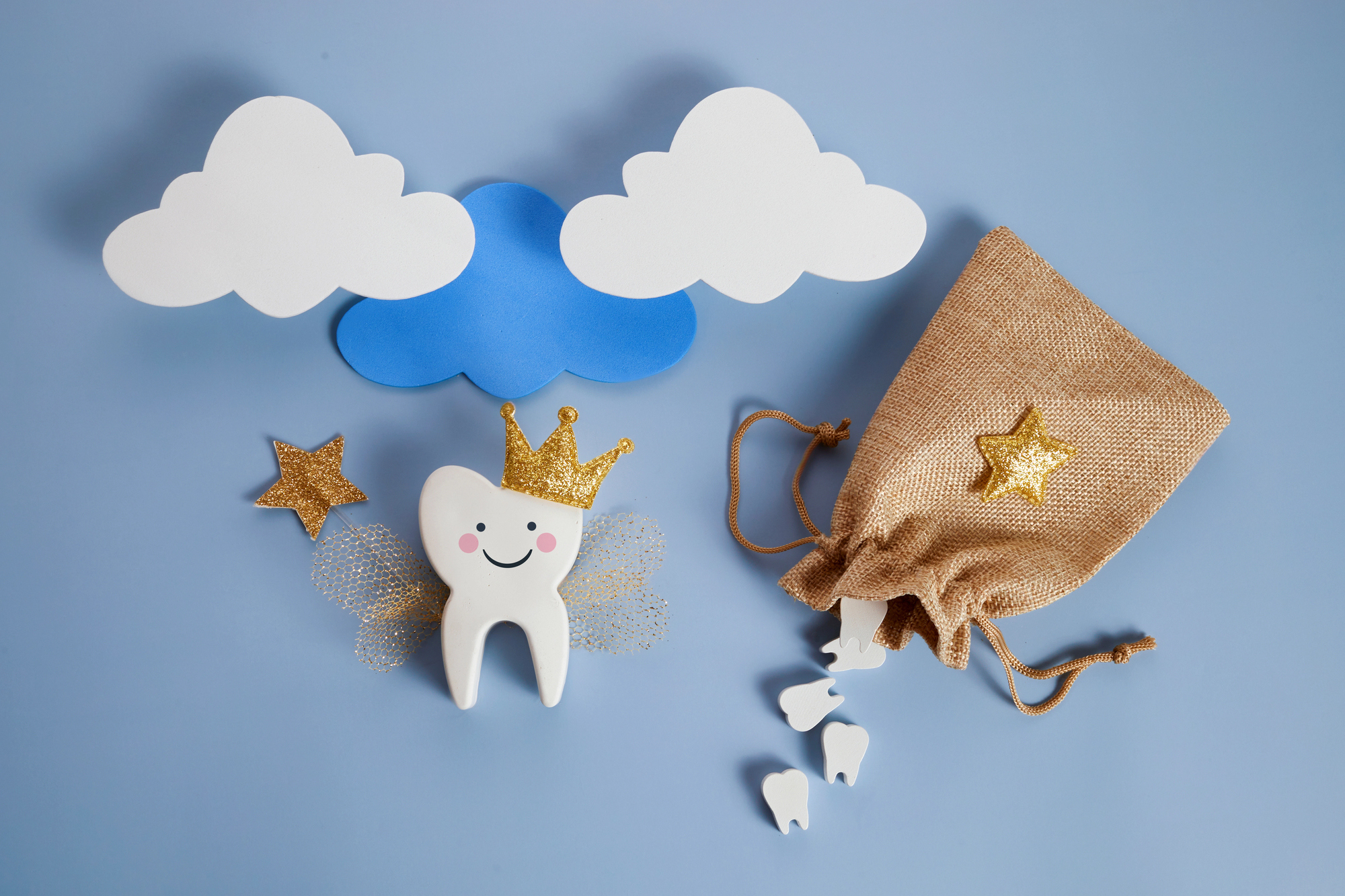
The first loose tooth can catch a child off guard. It wiggles, feels strange, and signals a shift they did not choose or expect. That mix of curiosity and worry is completely normal. With steady guidance at home, parents can help their child understand what is happening and move through the experience with confidence. Ashraf Dentistry shares insight on the topic, helping parents navigate this stage. (Source: Parents, My 6-Year-Old Is Scared of Losing Her Baby Teeth—How Can I Ease Her Fear?, By Emily Edlynn, PhD, Updated on August 22, 2024, https://www.parents.com/parenting/better-parenting/advice/ask-your-mom/my-6-year-old-is-scared-of-losing-her-baby-teeth-how-can-i-ease-her-fear/ ).
Children often notice a loose tooth long before they know what it means. The wiggling, the odd pressure, and the unpredictable timing can spark questions and fears. Even kids who handle other changes well may feel uneasy when something shifts in their mouth, especially if they imagine pain or assume the tooth will fall out suddenly.
Ashraf Dentistry shares, “A simple routine of naming what is happening can calm the moment. Kids understand more than we often expect. When parents explain that a loose tooth is part of growing and making room for stronger ones, the process feels less mysterious. Pairing this with steady dental hygiene habits at home keeps the child focused on care rather than fear.”
Reassurance: A Double-Edged Sword
Parents naturally want to soothe their child’s anxiety, but repeatedly saying “Don’t worry” can sometimes heighten concern. Children often interpret strong reassurance as a sign that something might actually be wrong. They watch tone, facial expressions, and intensity closely.
Ashraf Dentistry comments, “A balanced approach works best. Instead of trying to erase the fear, acknowledge it and offer simple facts. Statements like, ‘Your tooth is getting ready to come out in a gentle way,’ help a child feel respected and informed. This gives them a sense of control, which matters more than layered reassurance. Staying calm, clear, and consistent keeps the focus on understanding rather than worry.”
How To Expose Your Child To Fear
Gentle exposure helps children process new experiences. When fear is tied to confusion, small, neutral exposures help dissolve the tension. This might include showing them children’s books about tooth loss, involving older siblings in conversations, or guiding them through looking at their own wiggly tooth in the mirror.
Ashraf Dentistry highlights, “Exposure works best when it feels light. Try making tooth changes part of a daily ritual. Maybe during brushing time, ask your child to ‘check on their growing smile’ with you. Some parents set up a fun bathroom mirror moment with a soft night-light, letting the child explore without pressure. Even allowing a child to gently touch the loose tooth with a clean finger gives them ownership. When they see the process in small pieces, the fear loses strength.”
Strategies for Combatting Fear
When fear meets discomfort, children need tools. Loose teeth can create mild tenderness, especially when eating or brushing. Kids may worry that the tooth will fall out during school or play, or that it will hurt more than it actually does.
Ashraf Dentistry adds, “Practical comforts make a noticeable difference. Chilled fruits, cool water rinses, and soft foods on days when the tooth feels sensitive all help reduce tension. Parents can also create a steady rhythm by adding a quick ‘wiggle check’ to the morning or bedtime routine. Not to push the tooth out, but simply to give the child a familiar pattern. Consistency lowers anxiety, and fun elements like using a kid-friendly timer or choosing music for brushing help children feel more relaxed about dental hygiene during this stage.”
Ashraf Dentistry continues, “Parents can also reframe the moment. Kids enjoy feeling like they are reaching a new age milestone. A loose tooth becomes less scary when it is seen as a sign of maturity. Some families celebrate each stage with small markers like choosing a new toothbrush color or adding a sticker to a ‘growing smile’ chart. The point is not reward, but connection and reassurance through positive ritual.”
Don’t Let Your Child See Your Own Fear
Children often mirror the emotions they observe. If a parent reacts with stress or hesitation when seeing a loose tooth, the child quickly absorbs that energy. Calm modeling helps shape the child’s own mindset.
Ashraf Dentistry notes, “The goal is to keep the moment ordinary. Even if the sight of a loose tooth surprises you, treat it as a simple update in your child’s growth. Light conversation and easy body language set the tone. Sharing a casual memory like, ‘I remember when my front tooth wiggled for the first time’ builds connection without focusing on fear. This gives the child emotional permission to feel steady.”
Losing baby teeth is a short phase in a child’s life, but the emotions around it feel big and very real. When parents approach the process with understanding, clarity, and gentle structure, children adapt with far more ease. The combination of honest communication, soft exposure, comforting routines, and steady modeling creates a smooth path from uncertainty to confidence.
Ashraf Dentistry concludes, “Parents have tremendous influence over how a child experiences this stage. By weaving information into everyday life and keeping dental care simple and supportive, fear slowly dissolves. A child who feels seen and guided builds trust in their own body and carries that confidence forward through each new milestone.”


