Why Teeth Don’t Stay Still: Orthodontic Treatment Explained
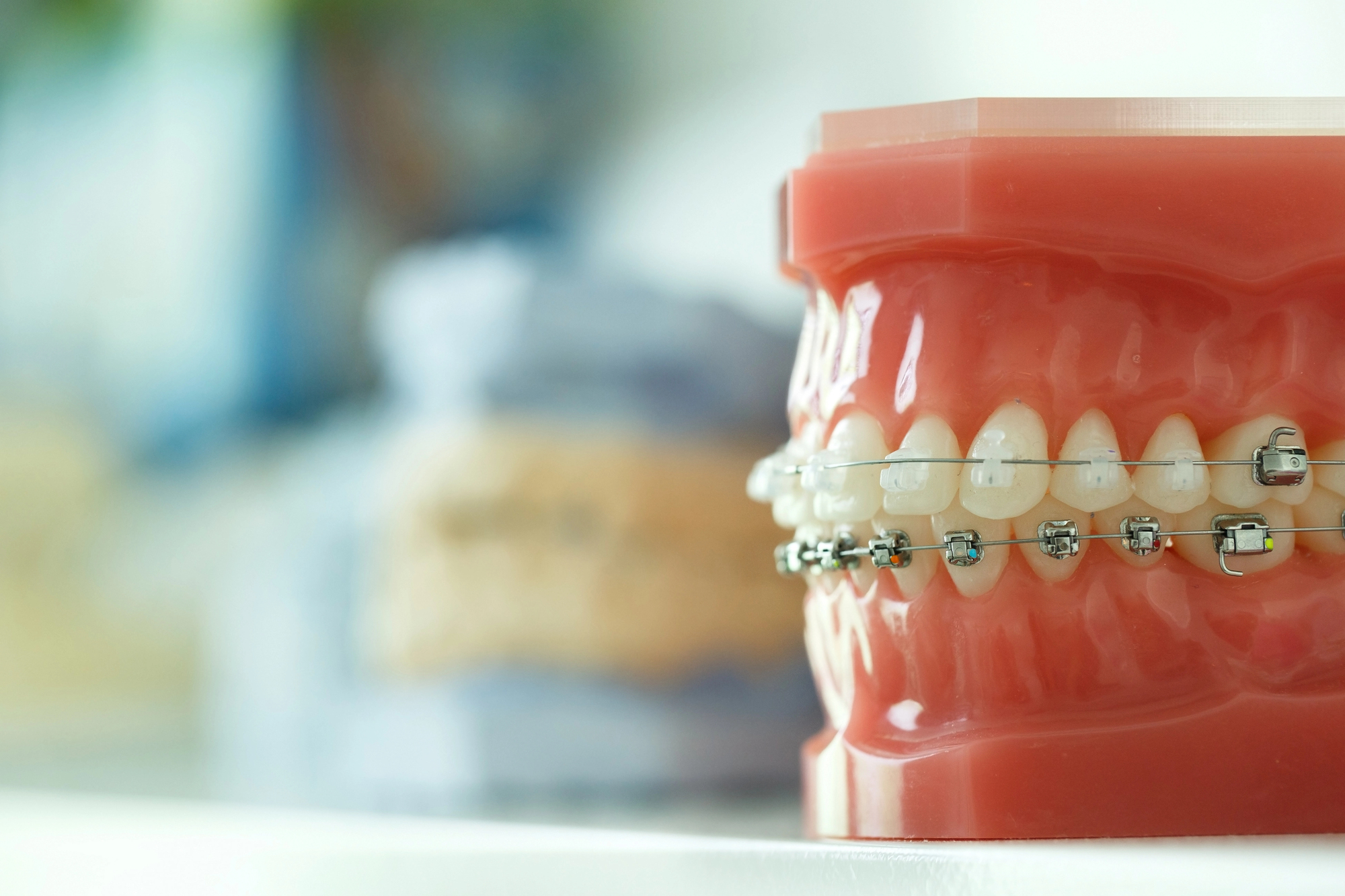
Teeth do not stay fixed in place for life. They react to pressure, habits, age, and the natural changes in bone and tissue. Many people assume that once orthodontic treatment is complete, the results are locked in forever. Real life does not work that way. Teeth constantly respond to small forces, which is why shifting can happen long after braces or aligners come off. (Source: Healthline, Why Teeth Shift After Dental Procedures and Over Time, Medically reviewed by Rooz Khosravi, DMD, PhD, MSD — Written by James Roland on November 11, 2020, https://www.healthline.com/health/teeth-shifting ).
Ashraf Dentistry explains, “People often think of teeth as immovable, but they sit in a living, changing environment. Bone remodels, tissue adapts, and even minor daily habits can influence alignment. Understanding these forces helps people stay realistic about long-term orthodontic care in Toronto and the ongoing attention their smile may need.”
Why teeth shift after orthodontic procedures
Orthodontic treatment moves teeth by guiding bone around the roots. Once treatment ends, teeth try to return to their old positions. This tendency is strongest right after treatment because the bone and fibers around each tooth are still settling.
Ashraf Dentistry shares, “The period right after orthodontic solutions is one of adjustment. The bone needs time to stabilize, the ligaments need time to relax, and the body needs the chance to accept the new alignment as the new normal. Without retention, teeth naturally drift. This is why long-term consistency matters as much as the initial treatment, especially for anyone counting on results that last.”
Why teeth shift after tooth removal
When a tooth is removed, it leaves an open space. The teeth around that space are no longer supported on all sides, so they begin to move toward the opening. Even teeth farther away can be affected as biting forces start to change.
Ashraf Dentistry comments, “Tooth removal changes the rhythm of the mouth. The remaining teeth start to lean or rotate because the structure they once pushed against is gone. This can affect bite balance, chewing comfort, and even facial symmetry. Guided orthodontic treatment can help prevent these gradual changes and keep the full arch in harmony. It is a moment where proper planning makes all the difference for long-term stability.”
Other reasons teeth shift over time
Jawbone growth
The jaw continues to develop well into adulthood, which can change spacing and crowding.
Ashraf Dentistry highlights, “Even adults who feel their face has ‘finished growing’ can experience subtle changes in jaw shape. These shifts can gently squeeze teeth forward or create new gaps. Understanding natural growth patterns helps people stay proactive about any needed orthodontic solutions before small changes grow into bigger concerns.”
Gum disease
Inflamed gums weaken the support around teeth, which leads to mobility and shifting.
Ashraf Dentistry expresses, “Gum health and tooth position are closely connected. When gums recede or bone levels drop, teeth lose their anchor. This makes them easier to push or twist out of alignment. Good prevention and early treatment protect both the health and the straightness of the smile.”
Teeth grinding
Grinding puts heavy pressure on teeth and gradually pushes them outward or inward over time.
Ashraf Dentistry explains, “Grinding works like slow-motion orthodontics. The constant force reshapes how teeth meet and can cause flaring, chips, and changes in bite. Managing grinding is not just about protecting enamel. It also preserves alignment and supports the results of past orthodontic care in Toronto.”
CPAP use
CPAP masks can create outward pressure on the upper lip and teeth if the fit is too tight.
Ashraf Dentistry mentions, “Sleep apnea devices help people breathe, but the mask can push the upper teeth forward during long nights of wear. A proper fit and ongoing monitoring help balance airway health with dental stability. People are often surprised by how lifestyle tools like CPAP can influence alignment.”
Is there anything you can do to stop or minimize the shifting?
Use a removable retainer
Retainers help hold teeth in the correct position. Wearing them as instructed is one of the strongest defenses against relapse.
Ashraf Dentistry shares, “Think of retainers as insurance for your orthodontic investment. Even a few nights a week can help keep natural forces from undoing years of work. Consistency is key because the mouth never stops changing.”
Consider a permanent retainer
Bonded retainers can be helpful for people who struggle to keep up with removable devices.
Ashraf Dentistry comments, “A fixed retainer is a quiet partner in dental stability. It keeps the most movement-prone teeth aligned and works in the background of everyday life. It is especially useful after crowding correction, where teeth are more eager to shift back.”
Address teeth grinding
Nightguards protect both alignment and enamel.
Ashraf Dentistry explains, “Managing grinding reduces the strain on teeth and keeps them from drifting. A custom guard also helps relax jaw muscles, which supports a healthier bite and reduces morning tension.”
Maintain good dental hygiene
Healthy gums and bone keep teeth stable.
Ashraf Dentistry mentions, “Strong gums and clean bone structure act like a solid foundation underneath a building. When the foundation stays healthy, the building stays upright. Good habits protect alignment and keep orthodontic results steady throughout life.”
Teeth shift because they exist in a dynamic system influenced by growth, habits, health, and time. Orthodontic treatment is only the first chapter. Lasting results depend on long-term awareness, good oral habits, and the right tools for retention and protection.
Ashraf Dentistry highlights, “People who understand how teeth behave are better equipped to protect their smile. Orthodontic care in Toronto should be viewed as a journey rather than a finish line. With the right support, alignment can stay steady, comfortable, and confident for years to come.”


