Yorkville Dentist Tips: Signs of Dental Anxiety You Might Miss in Pre-Teens
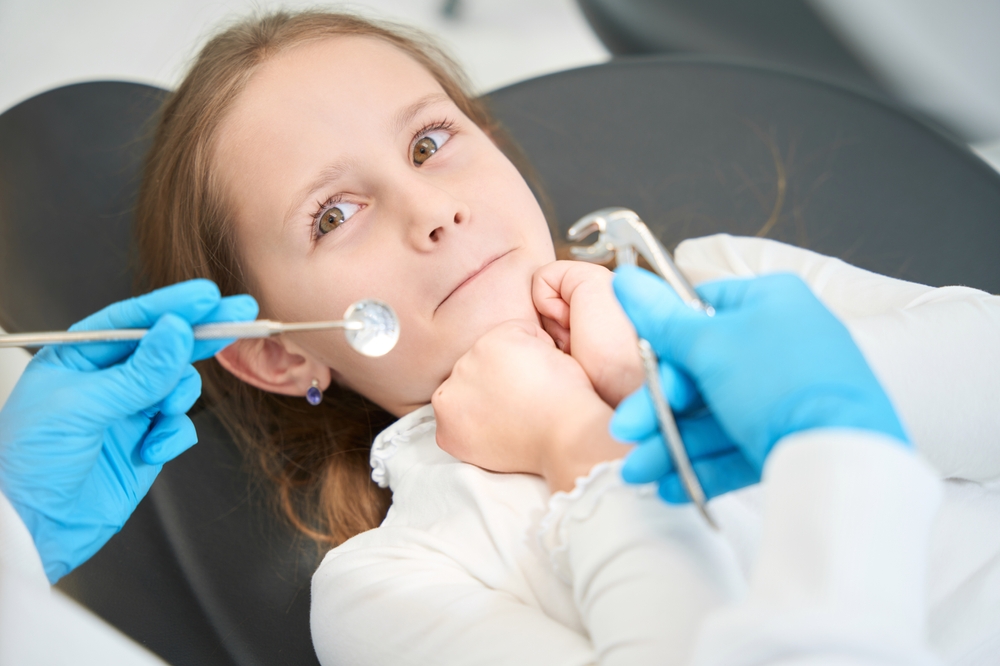
When most parents think of dental anxiety, they picture a child who cries before an appointment or openly says they are scared. But pre-teens often respond differently. Children between the ages of 8 and 12 are developing independence, learning to manage emotions, and becoming more aware of their surroundings. As a result, anxiety about dental visits can show up in ways that are easy to miss.
Many pre-teens do not have the words to explain exactly what they are feeling. Instead, their worries may manifest as changes in behavior, sleep habits, or even their approach to dental hygiene at home.
Recognizing these subtle signs can help parents address concerns early and encourage a more positive relationship with oral health.
They Ask the Same Questions Over and Over
One of the most overlooked signs of dental anxiety is repetitive questioning.
A pre-teen who is nervous about an upcoming appointment may repeatedly ask questions such as:
- Will it hurt?
- How long will it take?
- What happens if I have a cavity?
- Will they use any tools?
Parents may assume their child simply wants information, but repeated questioning is often a way of seeking reassurance. Even after receiving an answer, an anxious child may continue asking to reduce uncertainty.
A conversation with a Yorkville dentist can help provide age-appropriate explanations that make dental visits feel more predictable and less intimidating.
They Become More Clingy Than Usual
Pre-teens are typically moving toward greater independence. That is why it can be surprising when a child suddenly becomes more attached to a parent before a dental appointment.
You may notice them asking a parent to stay close, wanting extra reassurance, or becoming reluctant to enter the dental office alone.
These behaviours are not always obvious signs of fear. Sometimes they are simply a child’s way of seeking comfort when they are feeling uncertain.
Small Dental Concerns Feel Like Big Problems
Children who are anxious about dental care may become highly focused on minor sensations in their mouths.
A loose tooth, mild sensitivity, or a small sore spot may trigger a level of concern that seems out of proportion to the issue itself.
While it is important to take any complaint seriously, excessive worry about small oral health concerns can sometimes indicate underlying anxiety rather than a significant dental problem.
Regular visits with a pediatric dentist in Yorkville can help reassure children about what is normal as their teeth and mouths continue to develop.
Their Sleep Changes Before an Appointment
Sleep disturbances are among the most commonly missed signs of anxiety in children.
A pre-teen who feels nervous about visiting the dentist may:
- Have trouble falling asleep
- Wake up during the night
- Experience bad dreams
- Seem unusually tired the next day
Parents often connect sleep issues to school stress or busy schedules, but upcoming dental appointments can also play a role.
Because sleep affects mood, concentration, and overall well-being, these disruptions can have an impact beyond the dental visit itself.
They Complain of Stomach Aches or Headaches
Anxiety often shows up physically.
For some children, emotional stress creates symptoms that feel very real, including:
- Stomach aches
- Headaches
- Muscle tension
- Loss of appetite
- General feelings of discomfort
If these complaints consistently appear before dental appointments but seem to disappear afterward, anxiety may be contributing to the problem.
Understanding this connection can help parents respond with reassurance rather than frustration.
Their Dental Hygiene Routine Changes
Many parents expect anxious children to avoid brushing and flossing. While this can happen, the opposite can also be true.
Some pre-teens become unusually focused on dental hygiene because they are worried about being told they have a cavity or need treatment. Others avoid brushing discussions entirely because thinking about their teeth increases their anxiety.
Both reactions can signal stress.
Changes in dental hygiene habits, whether that means brushing less often or becoming excessively concerned about oral care, are worth paying attention to.
A pediatric dentist in Yorkville can help children understand that dental visits are about maintaining healthy smiles, not achieving perfection.
They Become Unusually Quiet About Oral Health
Children who are worried about something often avoid discussing it.
A pre-teen who once talked openly about loose teeth, brushing habits, or upcoming appointments may suddenly become withdrawn whenever oral health is mentioned.
Rather than asking direct questions about whether they are afraid, parents may find it more helpful to ask open-ended questions such as:
- How are you feeling about your next visit?
- Is there anything you are wondering about?
- Do you have any questions you would like to ask the dentist?
Simple conversations can reveal concerns that children have been keeping to themselves.
When Sleep Dentistry May Be Worth Discussing
For many children, education, reassurance, and positive dental experiences are enough to reduce anxiety over time.
However, some pre-teens continue to experience significant fear despite these efforts. In certain situations, sleep dentistry may be an option worth discussing with a Yorkville dentist.
Sleep dentistry can help some patients feel more comfortable during treatment and may make dental care less stressful for children who struggle with anxiety. The right approach depends on the child’s needs, health history, and treatment requirements.
Parents should never hesitate to ask questions about available options and what may be appropriate for their child.
Helping Your Child Feel More Comfortable With Dental Care
Many parents underestimate how common dental anxiety is, and it does not always look the way people expect. A child who seems clingy, complains of stomach aches, loses sleep, or changes their dental hygiene habits may be expressing anxiety in subtle ways.
The good news is that these signs can often be addressed before they become barriers to care.
Regular visits with a pediatric dentist in Yorkville provide opportunities to build trust, answer questions, and create positive experiences around oral health. Combined with support at home and open communication, these visits can help children feel more confident about dental care as they grow.
Sometimes the earliest signs of dental anxiety are the quietest ones. Spotting these signs early can help you support your child’s oral health and foster a more positive experience with dental visits.


